
Federal and São Paulo prosecutors urge overhaul of state street-population policies, citing R$ 400 million in partnership spending and weak results
The Federal Public Ministry and the São Paulo Public Ministry of Accounts released a 150-page document recommending changes to state policies for people experiencing homelessness. They cited poor oversight of outsourced organizations, budget failures, lack of transparency, and weak results. The SuperAção SP program spent R$ 275 million in 2025 against an initial four-year forecast of R$ 154.2 million, while reaching only 0.23 percent of its social-benefit target and none of its 275 vocational-training places. Three research-institution partnership agreements signed in December 2025 totaled about R$ 400 million, with an immediate quarter paid upfront and no work plan or execution schedule.
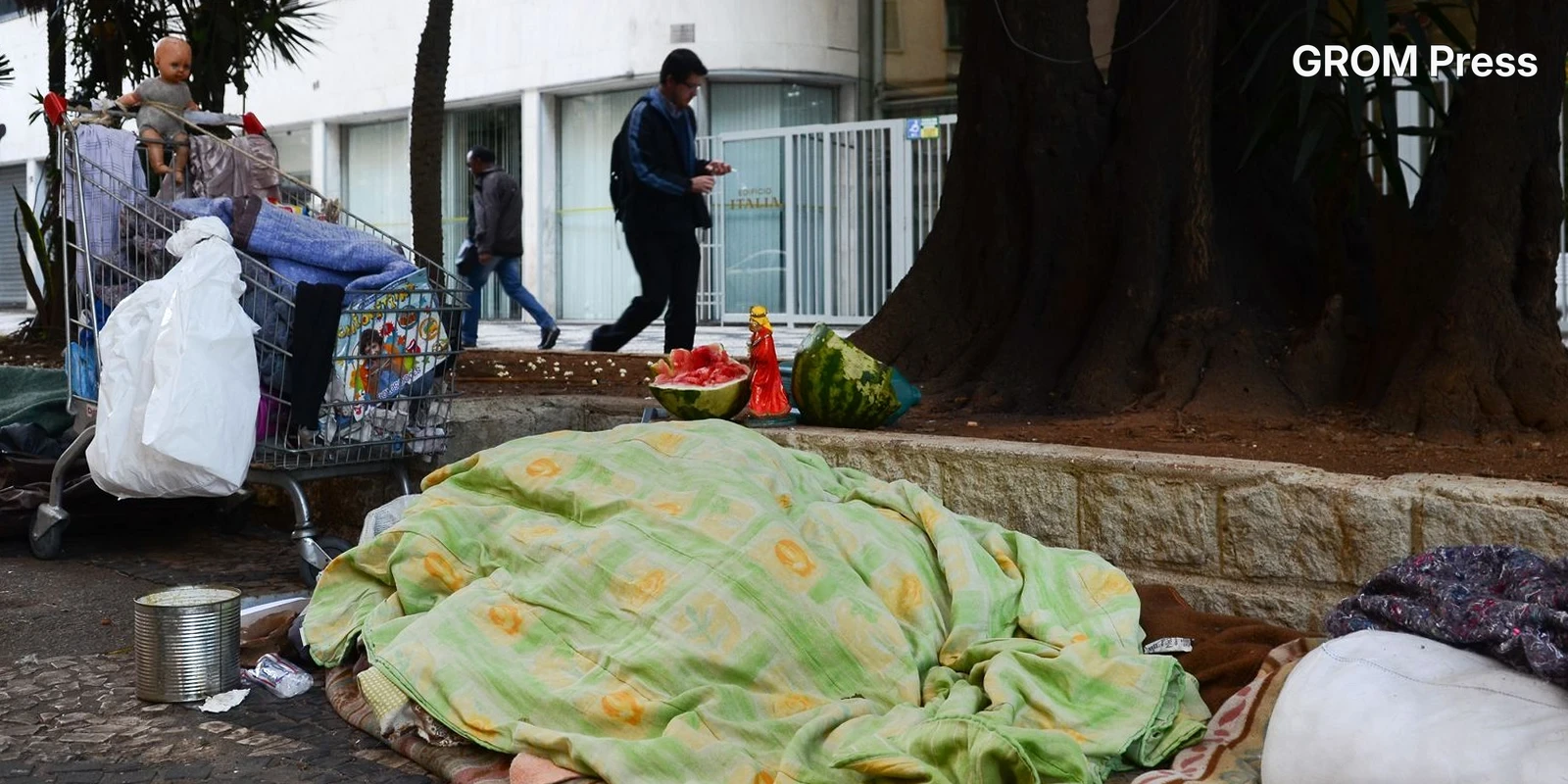
The Federal Public Ministry (MPF) and the Public Ministry of Accounts of the State of São Paulo (MPC-SP) published a 150-page document on Tuesday, 24 November, recommending changes to state policies for people experiencing homelessness. The document was sent to the State Court of Accounts on 19 November 2026 and to the state social-development and urban-development secretariats continuously since 2023.
The prosecutors identified problems including weak monitoring of outsourced organizations and assistance entities, errors in choosing assistance models, poor management, and failures in transparency of service delivery and accountability. They said results were far below established targets, there was a lack of transparency in the application of millions of reais, and there were no budget standards allowing monitoring of assistance policies.
The policies examined are linked to the State Secretariat of Social Development (SEDS) and the State Secretariat of Urban Development and Housing (SDUH).
The examination of accounts revealed accounting discrepancies in special funds linked to SEDS and raised suspicions about partnerships the secretariat signed at the end of 2025. Between 12 and 26 December last year, SEDS signed three collaboration agreements with research institutions totaling about R$ 400 million. The agreements, with a 32-month duration, provided for immediate payment of one quarter of the total value, without presentation of a work plan, executive schedule, or prior service-execution statement justifying the advance.
The SuperAção SP program, described by the prosecutors as the main São Paulo government initiative for serving the most socially vulnerable population, consumed R$ 275 million in 2025. The initial approved forecast was spending of R$ 154.2 million over four years, from 2024 to 2027. Despite this, the program reached only 0.23 percent of the target for social benefits to be granted to people experiencing homelessness and delivered none of the 275 planned vocational-training places, according to the document.
Of these expenditures, R$ 128.6 million were recorded without correspondence with indicators defined in the state’s Pluriannual Plan for 2024-2027. The prosecutors cited this as an example of changes in SEDS spending classification, which they described as a central failure in the secretariat’s accounts. In a joint note, the bodies said the practice of creating arbitrary categories to declare funds makes it difficult to evaluate results against pre-established objectives and at the same time evidences the lack of transfers for planned actions.
The prosecutors also criticized the absence of a mapping of each municipality’s capacity to serve the street population, estimated at 150,000 people by the Brazilian Observatory of Public Policies for the Street Population (OBPopRua). They said that without a broad view of regional needs, resource distribution ends up concentrated in the metropolitan region of the capital, leaving urban areas such as Campinas and Santos and medium-sized cities unassisted. They added that state resources are insufficient to finance shelters and republics, which currently offer places for at most 20,500 people.
The bodies defended the need to review the social-assistance model adopted for this population. They consider temporary sheltering in shelters less efficient because it requires about three times more resources and does not favor effective changes in the situation of those served. They suggested adopting housing-promotion programs accompanied by multidisciplinary support, following the international methodology known as Housing First. A similar policy was adopted in the capital with the De Braços Abertos program, launched in 2014 during the administration of then-mayor Fernando Haddad.
The report sought the São Paulo government press office and is awaiting its response.



Comments
No replies yet. Start the discussion.
Sign in to reply