
Phone metal detector apps use the built-in magnetometer and only find ferromagnetic metals
Smartphone metal detector apps read the device's magnetometer, a compass sensor standard since the iPhone 3GS era, and alert when ferromagnetic metals such as iron, steel, nickel or cobalt disturb Earth's magnetic field. They cannot detect gold, silver or most jewelry, and their range is far below that of dedicated detectors, which generate their own electromagnetic field to find conductive metals. Experts advise treating free apps as a limited way to locate small dropped items like screws, nails or blades, and avoiding paid apps or apps promising precious metals.

Metal detector apps have existed for years and turn a smartphone into a basic metal-finding tool. The main event is that these apps rely on the phone's magnetometer, a sensor that has been standard in smartphones since the late 2000s, beginning with the iPhone 3GS. The magnetometer normally measures Earth's magnetic field to power the compass. Apps instruct the phone to read that measurement and trigger an alert when certain metals come within range.
The key limitation is the type of metal the phone can detect. It will only pick up ferromagnetic metals, including iron, steel, nickel and cobalt. It cannot detect gold, silver or most high-end jewelry. Any app promising to find those materials is making a misleading claim, according to the source material.
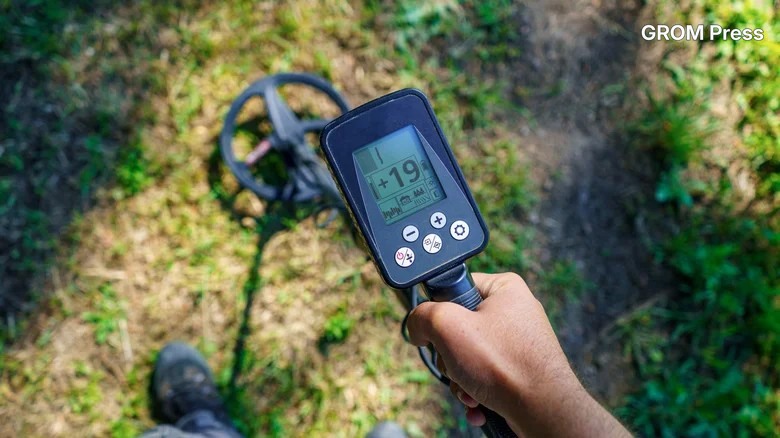
Dedicated commercial metal detectors work differently. They generate their own electromagnetic field and can detect metals that conduct electricity, giving them access to a far broader range of materials than a phone. As a result, phone apps have much shorter range and weaker performance than dedicated machines.
Because many free metal detector apps are available on Android and iOS, the source advises against paying for one. All such apps use the same magnetometer technology, so the service should be broadly similar regardless of which free app is chosen. Users are encouraged to check reviews before downloading.
The best realistic use is finding small lost ferrous objects, such as a screw, blade or nail. Users should not expect to uncover valuable treasures with a phone. The source does not provide specific detection distances, tested app names, or independent performance measurements.







Comments
No replies yet. Start the discussion.
Sign in to reply