
Off-Broadway show Love Me uses Auracast headphones to convey hearing loss
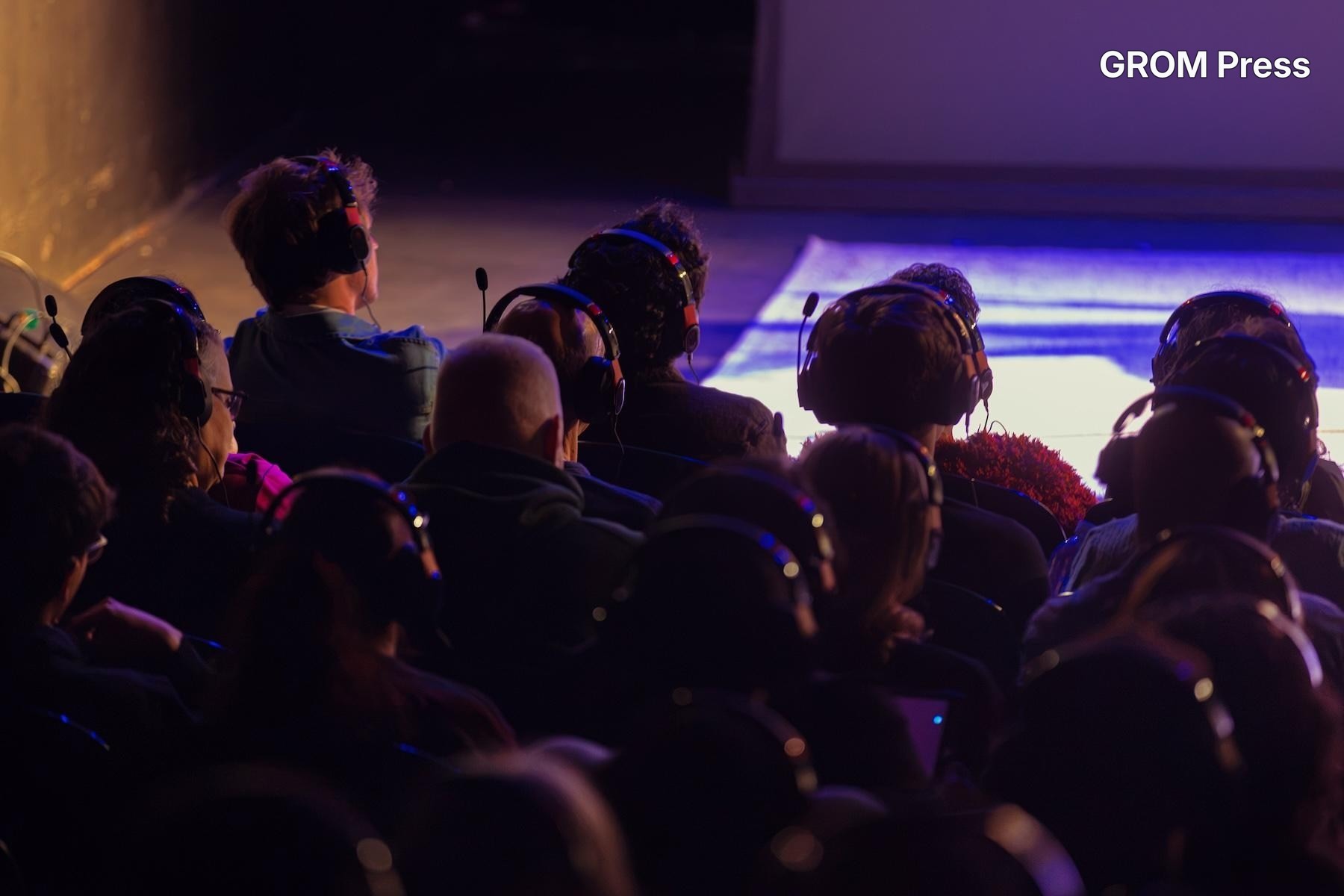
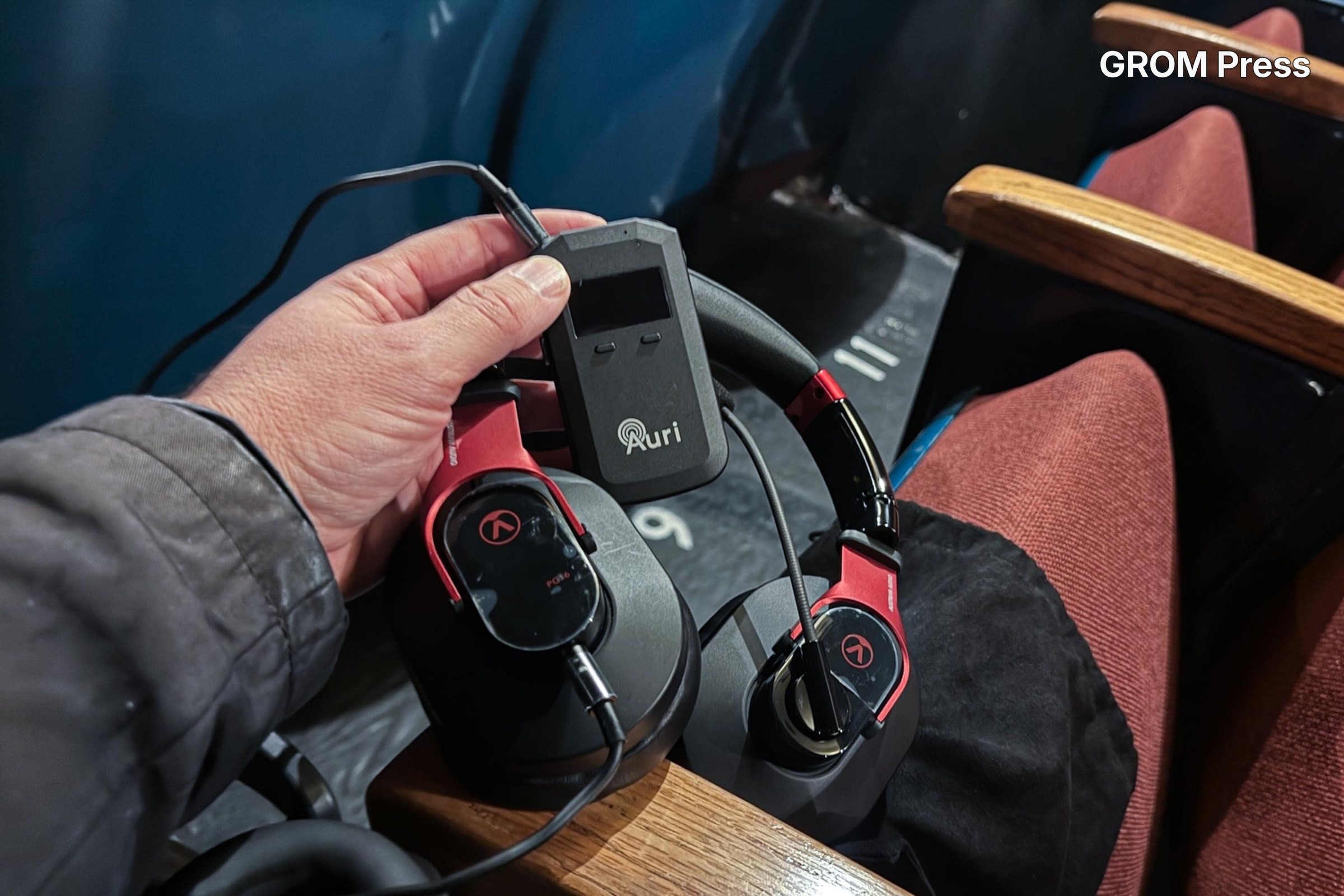
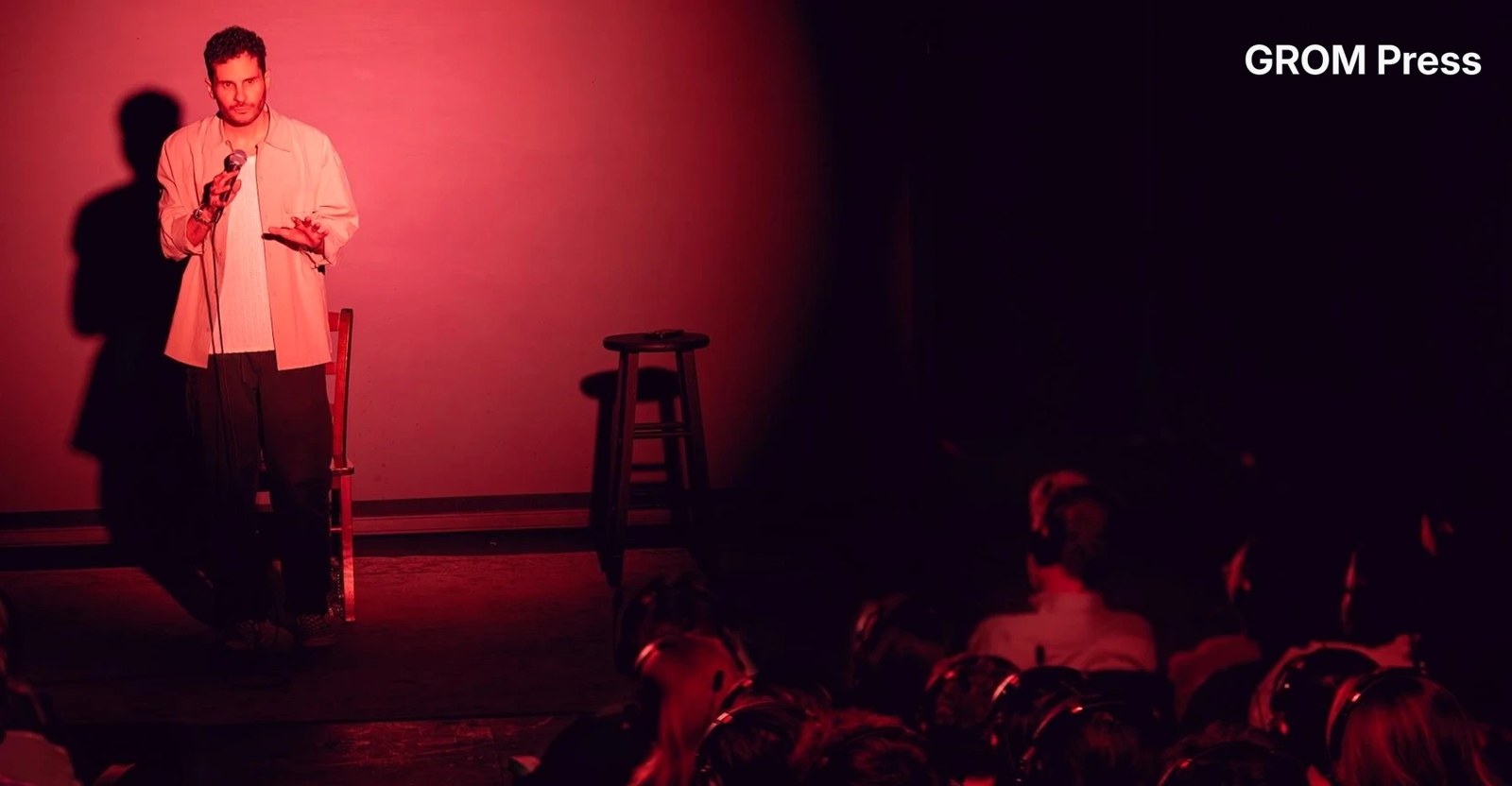
The one-man show Love Me, created by Drew Michael and directed by Prashanth Venkataramanujam, uses Bluetooth-based Auracast broadcast audio delivered through wired headphones to 178 audience members at New York City’s SoHo Playhouse. The sound design, by Daniel Kluger, contrasts muffled theater audio with clear inner monologue to simulate Michael’s hearing loss and Deaf identity journey. The production is presented with Deaf West Theatre and also provides hearing-aid-compatible streams and caption iPads.

The one-man show Love Me opened at the 178-seat SoHo Playhouse in New York City, housed in a 200-year-old row house. It was created by stand-up comedian and former Saturday Night Live writer Drew Michael and directed by Prashanth Venkataramanujam. The production is presented in partnership with Deaf West Theatre, which supports Deaf-centered storytelling in theater.
Each audience member receives a black drawstring bag containing wired headphones connected to a small Auracast receiver. Attendees are instructed to put the headphones on soon after the play begins and to remove them near the end. The headphones are an integral storytelling tool, not merely an accessibility feature.
The show tells five chapters about different relationships in Michael’s life, bound by his hearing loss and self-discovery. Sound designer Daniel Kluger uses Auracast, a Bluetooth-based technology that can broadcast a high-quality audio stream to any number of nearby devices, together with the theater’s speakers. Tinnitus ringing and hearing test tones appear in the music between sections as subtle clues leading to Michael’s epiphany about his hearing loss. Kluger also varies sonic clarity, sometimes intentionally muffling sound through the theater speakers and further dulling it through the headphones to give the audience a sense of what Michael hears in those moments.
One sound remains clear and pristine throughout: Michael’s inner monologue, heard in the headphones. It consists of prerecorded tracks and a live feed from Michael’s stage microphone as he talks back and forth with himself. Michael said after the show that anything in the headphones comes through clearly and that the inner world is the highest-fidelity space for him, making it more comfortable.
During a stand-up set scene, three sounds compete for attention: crowd reactions and a heckler through the theater speakers, prerecorded inner monologue in the headphones, and Michael’s live performance on stage with a muffled mic. The sound design makes the audience experience the constant concentration needed to parse unclear and overwhelming sounds.
The climactic scene incorporates visuals of a series of Michael’s audiograms over the years. Michael described a massive breakthrough about the cognitive and invisible labor that had affected every minute of his life. At that point, the audience is instructed to remove the headphones worn for nearly the entire show, removing the literal weight from their heads.
The final act leads into Michael’s understanding of his own Deaf identity. He said the deafness is not the culprit, but the denial of it. He added that his hearing has never been worse, yet he has never been more self-affirmed, self-actualized, or happier in himself. He characterized deafness as tragedy, deficit, burden, or plague as a misconception.
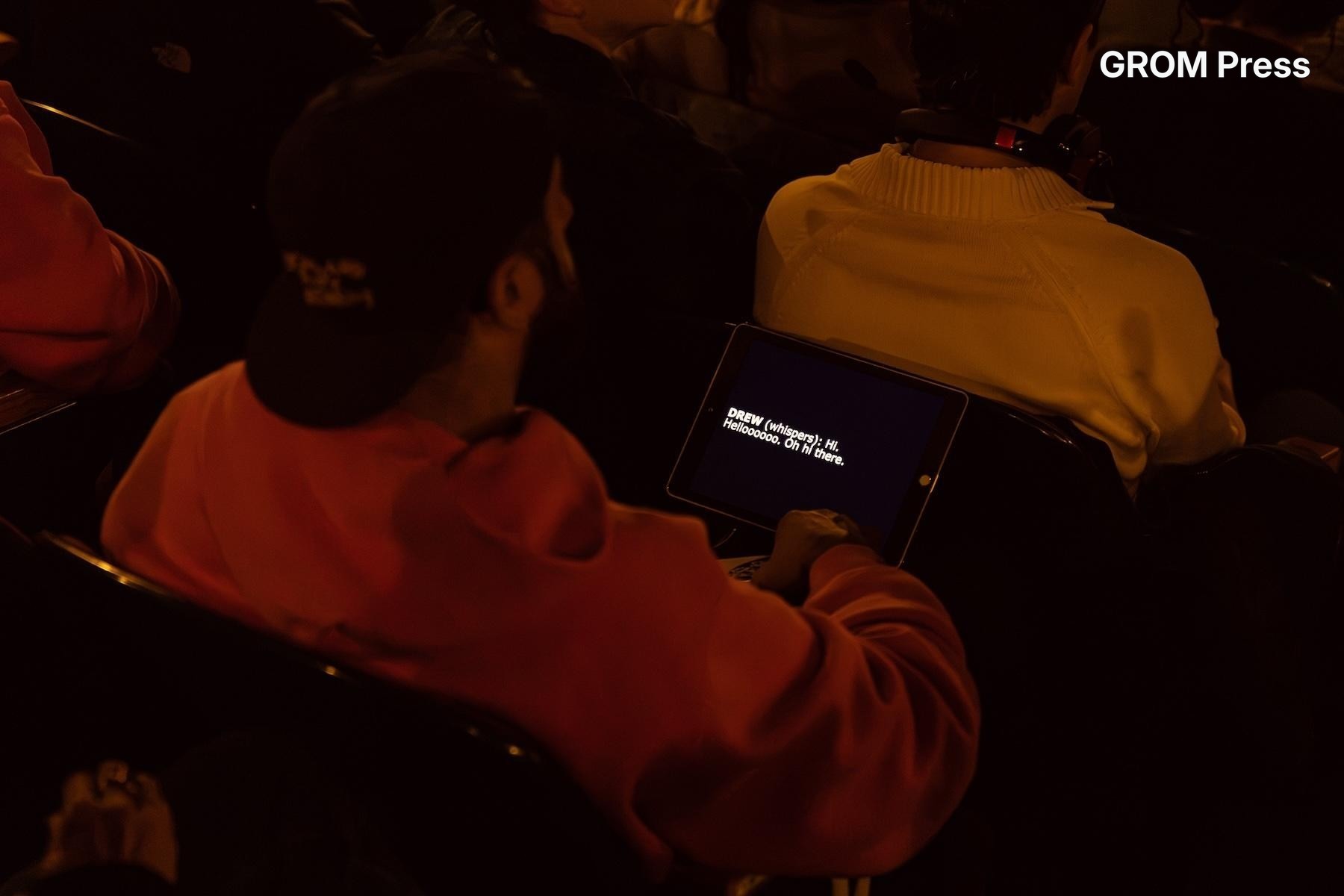
In addition to the audience Auracast feed, there is one for users of hearing aids and cochlear implants designed for compliance with those devices, and iPads with captions are available. During the performance, Michael connects to his own broadcast channel with Auracast-enabled Phonak Eon Sphere hearing aids. He said he considered in-ear monitors but chose hearing aids because they provide both amplification from the environment and in-ear monitoring, preserving contact with the audience.
Michael said he is not against technology, but believes tech and Deaf identity should be a marriage rather than a divide. He cited cochlear implants and hearing aids as reasons schools for the deaf have declined, leading to mainstreaming and loss of Deaf history and culture.
The production demonstrates an inventive use of Auracast for both accessibility and storytelling, carrying a message of love, acceptance, and acknowledgement of one’s own Deaf identity.




Comments
No replies yet. Start the discussion.
Sign in to reply