
Data storage has shifted from floppy disks and USB keys to cloud data centers, while prices stop falling
In the early 2000s, personal storage meant 1.44MB floppy disks, 100MB Zip disks, 700MB CDs and 8MB USB flash drives, with entry-level PC hard drives around 10GB costing roughly $6 per gigabyte. Today, commercial hard drives reach 44TB and consumer SSDs about 8TB, but most data is stored remotely in data centers. Gartner estimates combined DRAM and SSD prices could rise 130 percent by year-end as institutional buyers outpace factory output.

The main event is the long-term shift in personal data storage from physical media that users carried between machines to remote cloud storage managed by providers, accompanied by a reversal in the long trend of falling storage prices.
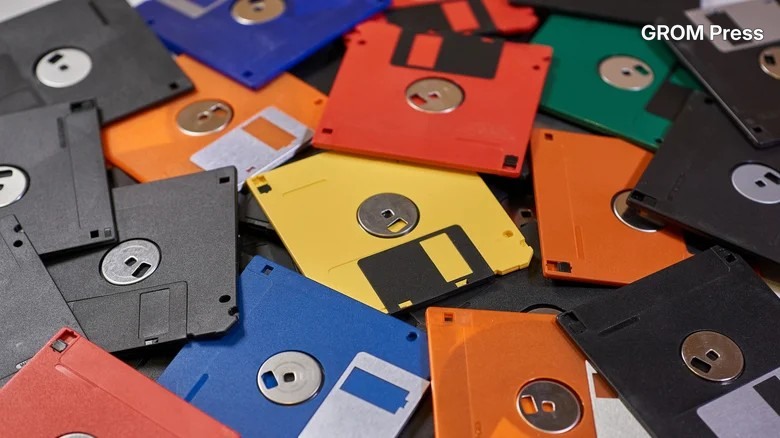
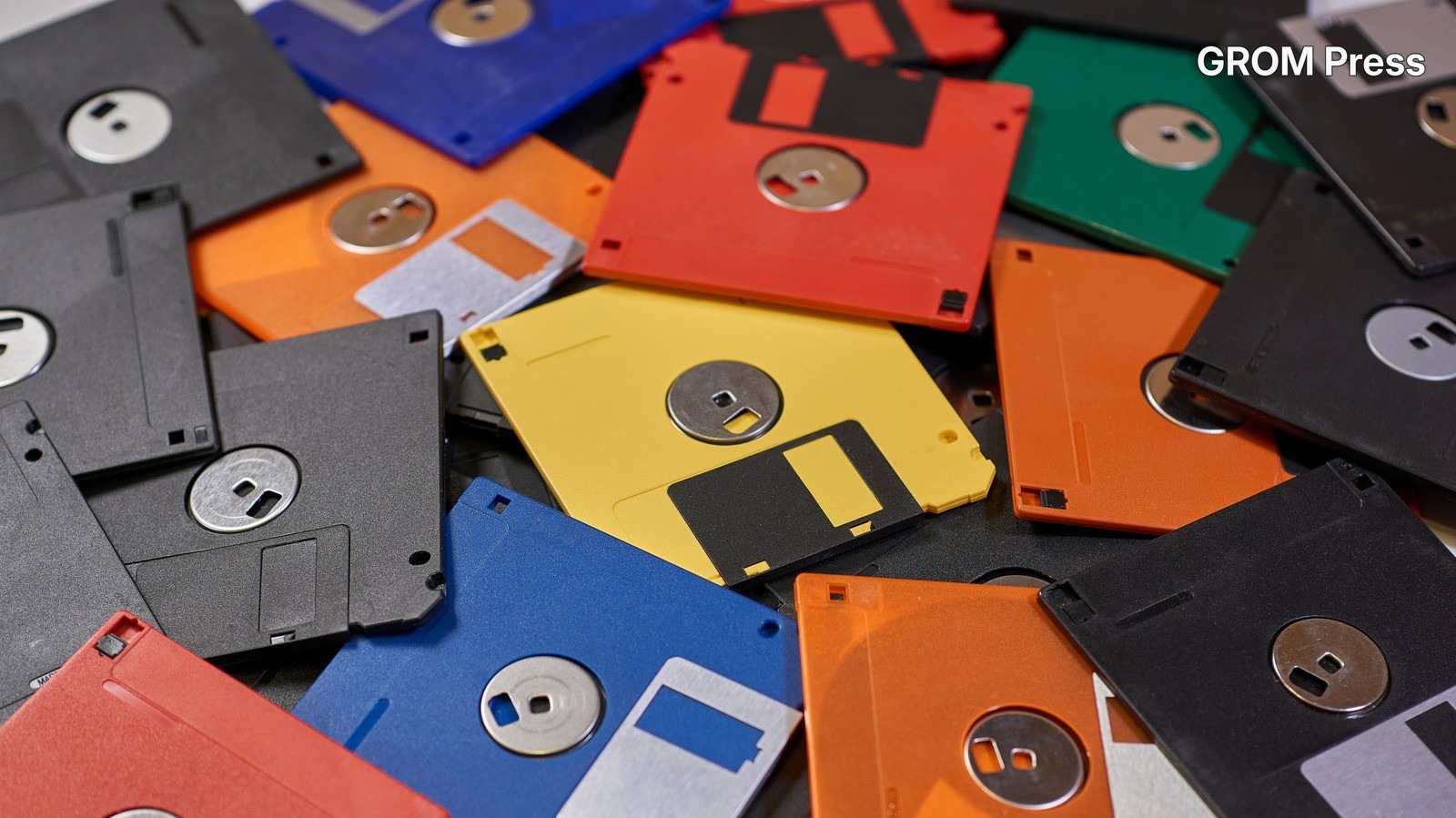
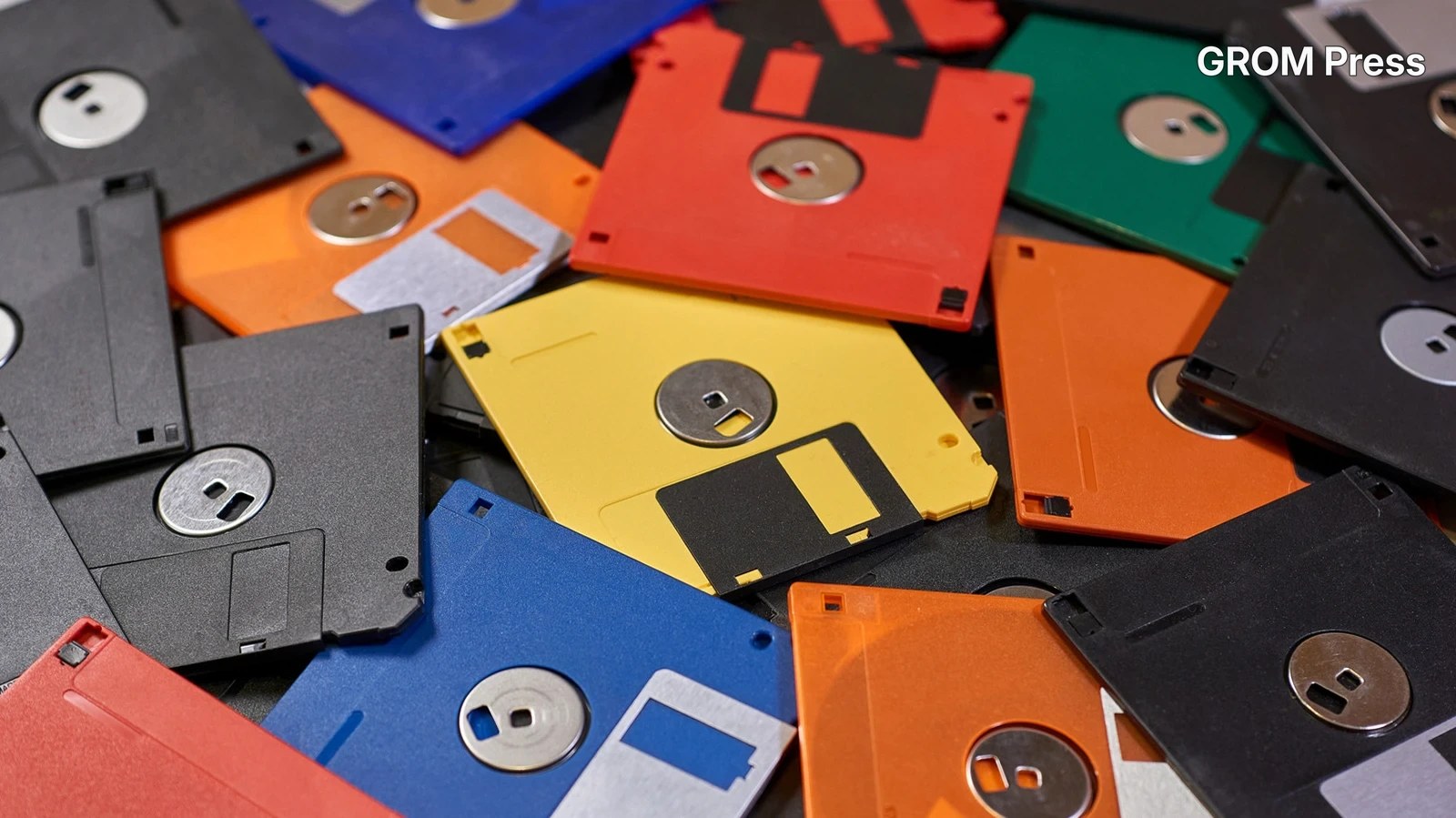
In 2001, a typical entry-level PC hard drive held about 10GB, and manufacturers quoted less than $60 for such drives, or about $6 per gigabyte. Users who needed to move files between computers relied on 1.44MB floppy disks, 100MB Iomega Zip disks launched in 1995 at $199 with disks costing about $20 each, or 700MB CD-ROMs. Sony was still selling tens of millions of floppies per year in 2002, even after Apple dropped the format from the iMac in 1998. Mass-market floppy production ended in 2011 when Sony, the last major manufacturer, stopped making them. The Federal Aviation Administration has said it will phase floppies out of air traffic control by 2028.
Iomega's Zip drive suffered a defect known as the "click of death," in which a failing drive repeatedly clicked while trying to read a disk. A class action lawsuit over the issue was filed against Iomega in 1998. CD-ROMs eventually displaced both floppies and Zip disks, while DVD burners such as Pioneer's DVR-A03 retailed for close to $1,000 in 2001, making them unaffordable for many households.
USB flash drives emerged around the turn of the century. Singapore's Trek called its product the ThumbDrive, while IBM sold a drive designed by Israel's M-Systems as the DiskOnKey. Early models held only 8MB, about five floppies' worth, but used flash memory, plugged into a USB port and required no driver or burning software. By February 2003, Dell had stopped including floppy drives as standard on its Dimension desktops and instead offered a 16MB USB key for $20. A Dell spokesperson told eWeek that some users could not remember the last time they had used a floppy drive.
Cloud storage began to change the model in 2006, when Amazon introduced S3, renting server space to developers at 15 cents per gigabyte per month. Dropbox launched in 2008 on the same infrastructure with 2GB of free space, creating a folder that copied itself across every computer a user owned.
Today, Seagate produces 44TB hard drives at volume, which the source describes as 4,400 times the capacity of a 10GB drive from 2000. Those 44TB drives are sold only to two hyperscale cloud providers and are not available to individual buyers. The largest consumer hard drives top out at around 24TB to 30TB, commercial drives reach 44TB, and consumer SSDs reach around 8TB. A 2TB microSD card, smaller than a fingernail, can hold as much as nearly 1.4 million floppies.
Most personal data now resides on commercial hard drives in data centers that users never see. Phones automatically upload photos to cloud accounts tied to Google, Apple or other providers, though free allowances are quickly exhausted by years of photos and videos.
Gartner, the research and advisory firm, estimates that combined DRAM and SSD prices will keep rising and could reach a 130 percent increase by the end of the year, because institutional buyers are purchasing memory and flash storage faster than factories can produce it. Hard drives are also exposed to price increases because the same cloud companies are buying them. The source notes that it used to be reasonable to expect the same money to buy a bigger drive roughly every year, but that is no longer the case, at least for now.



Comments
No replies yet. Start the discussion.
Sign in to reply