
Sakhalin tests Zala Ural-25S radio station with drone relay
Tests on Sakhalin established stable communication between a border vessel and the Pushistyy droneport command post using a Zala Ural-25S radio station and a Zala T-16 drone as a relay. The station can create a self-organizing peer-to-peer network with multihop relaying and operates for up to seven days in standby mode. It also integrates with the offline ZOV Maps geoinformation system for coordination without cellular or internet coverage.
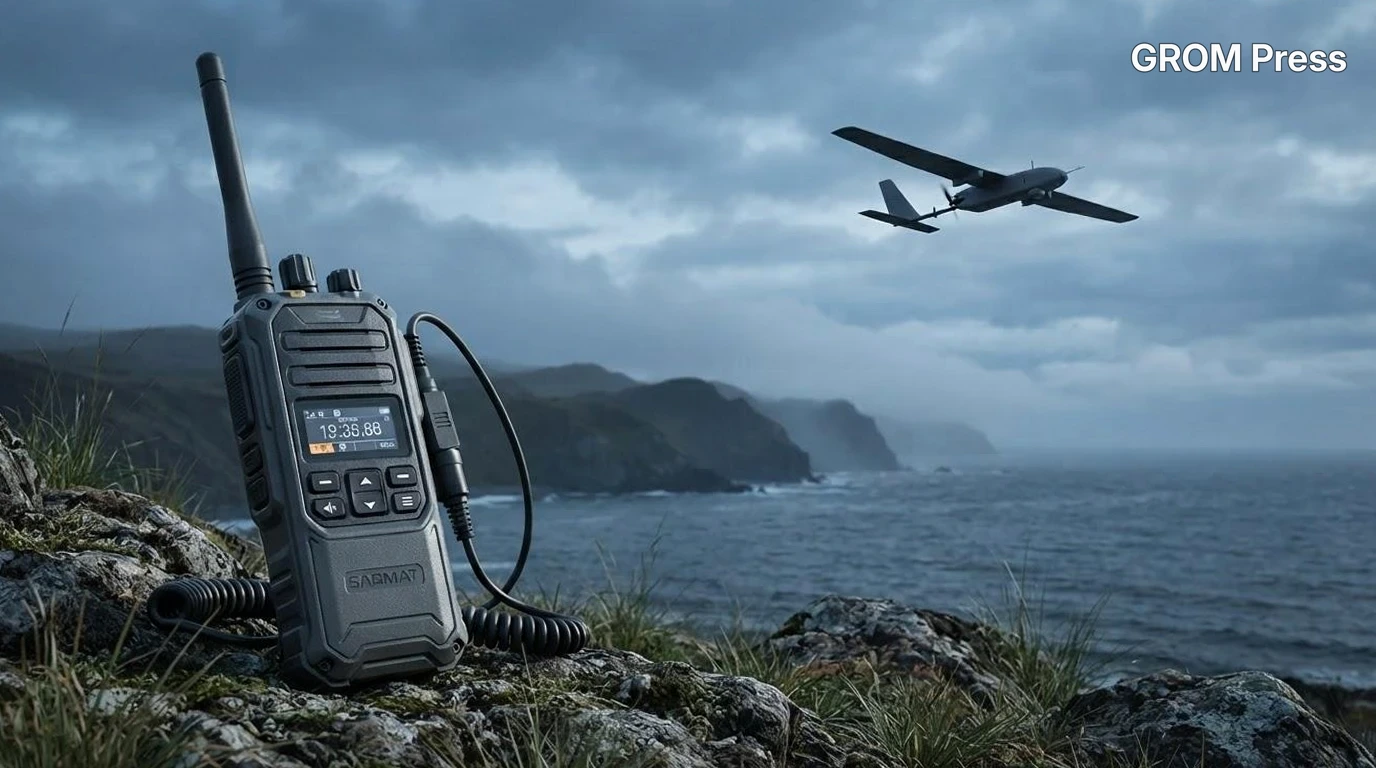
Tests of the Zala Ural-25S radio station were conducted on Sakhalin. The station is intended for special and emergency services. During the tests, stable communication was established between a border vessel and the command and dispatch point of the Pushistyy droneport. A repeater installed on the Zala T-16 drone was used to transmit the signal. The source did not specify the exact date of the tests.
The main feature of the Ural-25S is its ability to automatically create a self-organizing peer-to-peer network with multihop relaying. Each radio station can act as an intermediate node and forward the signal, expanding coverage without stationary infrastructure. The device's autonomous operation time in standby mode reaches seven days, allowing use in prolonged operations away from power sources.
The radio station also integrates with the Russian mobile geoinformation complex ZOV Maps, which operates without an internet connection. Using it, an autonomous coordination system can be deployed: participant positions, hazardous zones, and tasks are displayed on a common map. This enables services to exchange operational information and monitor the situation even with a complete absence of cellular communication.
The source did not provide independent confirmation of the test results, casualty assessments, or information about affected civilians. No military conflict or combat operations were mentioned in the material.



Comments
No replies yet. Start the discussion.
Sign in to reply