
EU Council President proposes smaller 2028-2034 budget with digital tech tax
Antonio Costa has proposed a new EU budget draft for 2028 to 2034 that is €204 billion smaller than the Commission's earlier proposal. It includes a 3% annual contribution on digital turnover from large tech firms, plus taxes on tobacco and electronic waste, intended to reduce national contributions. France immediately rejected the draft as deeply disappointing, saying it does not provide a basis for agreement, particularly on agricultural funding.
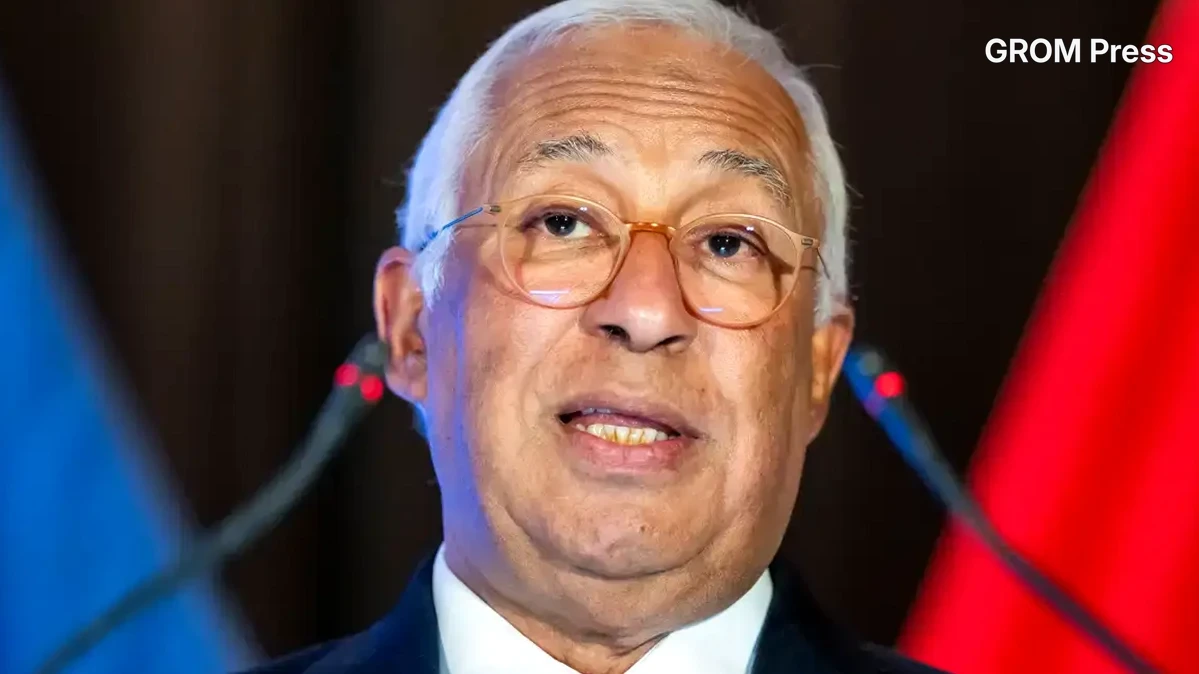
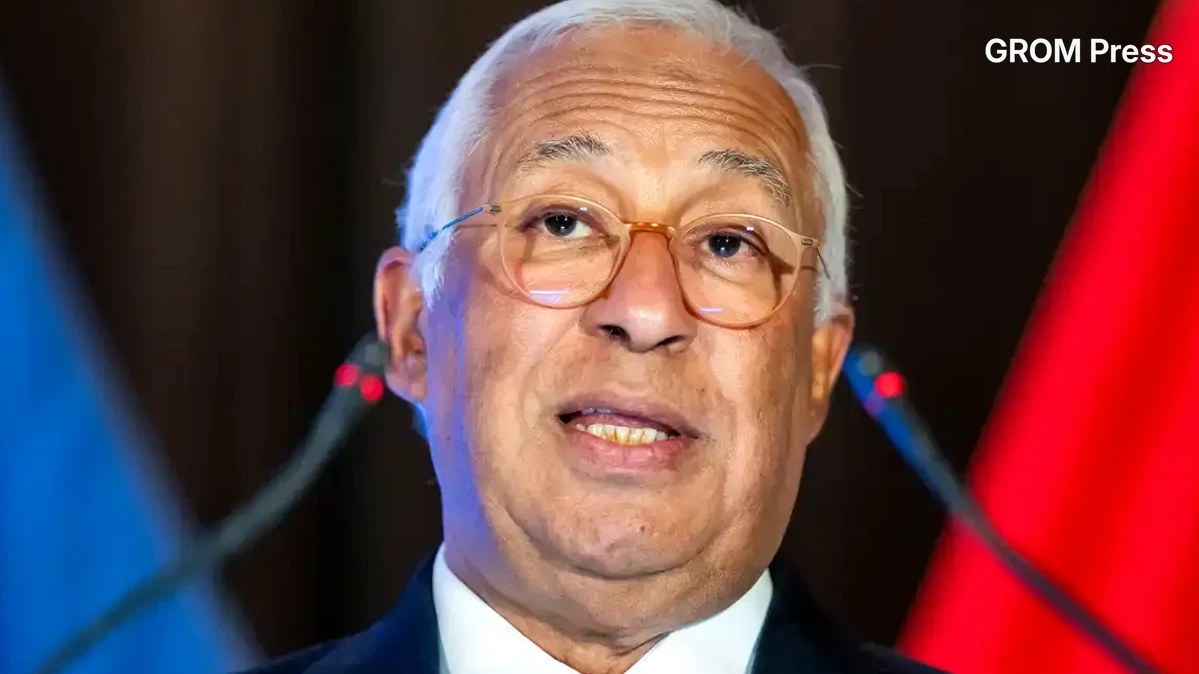
European Council President Antonio Costa has proposed a new draft for the EU budget covering 2028 to 2034. The proposal is €204 billion smaller than the first draft put forward by the European Commission in 2025, which had been criticised by several member states, including a group of northern European members led by Germany, for being too large.
The central feature of Costa's plan is a set of new revenue channels intended to keep national contributions at a reasonable level. The largest would be an annual contribution of 3% of annual net turnover from online advertising, digital intermediation services and user-generated data. It would apply to companies with at least €50 million in annual digital turnover in the EU and €750 million worldwide. Costa described this as part of a balanced basket of new own resources, which also includes taxes on tobacco products and electronic waste.
The EU budget is the European Union's shared budget and funds agricultural subsidies, infrastructure projects, border control and defence.
Divisions among member states remain. France immediately came out against the draft, calling it deeply disappointing. The French presidency said the budget falls well short of what is needed, particularly on the Common Agricultural Policy and notably on income support for farmers. It stated that, as it stands, the proposal does not provide a basis for agreement.
Costa described the plan as a realistic budget that addresses new priorities while preserving established policies, and said he is confident it is a good basis for moving towards a final agreement. The EU hopes to reach a general agreement by the end of 2026, with formal adoption planned for 2027. Costa's plan will be at the centre of talks when EU leaders meet in Brussels next week. Neither the European Commission nor the European Council President will have the final word on the budget.


Comments
No replies yet. Start the discussion.
Sign in to reply