
Activists say China's growing economic power is drowning out Uyghur and Tibetan dissent
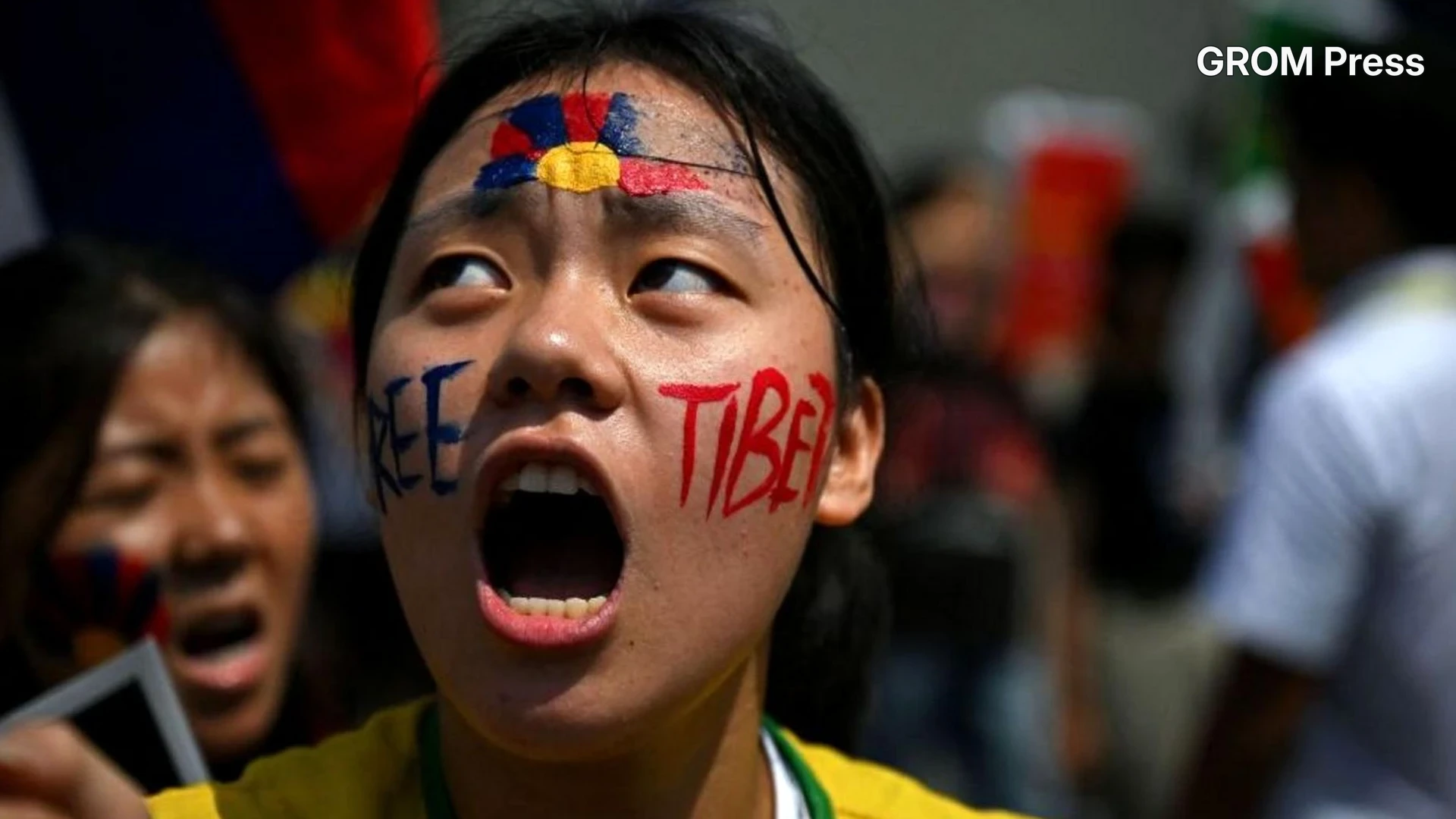
Uyghur and Tibetan activists told the BBC that China's economic clout and family-visit offers are reducing international attention and splitting exile communities. Protests have shrunk from thousands to hundreds, while Beijing denies asking exiles to spy.
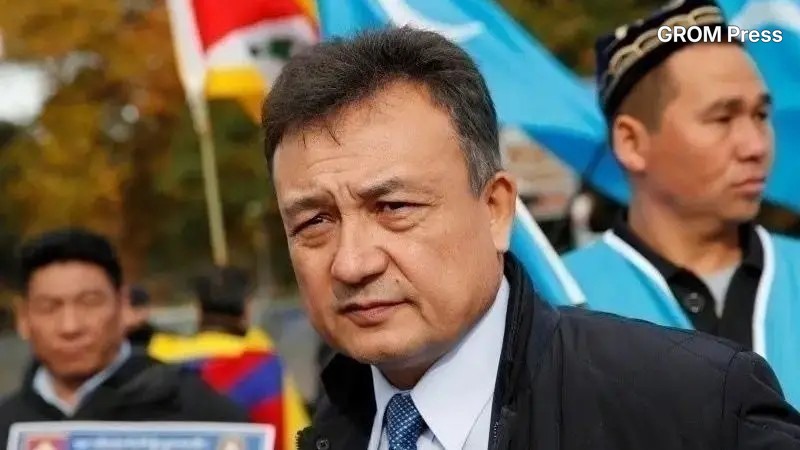
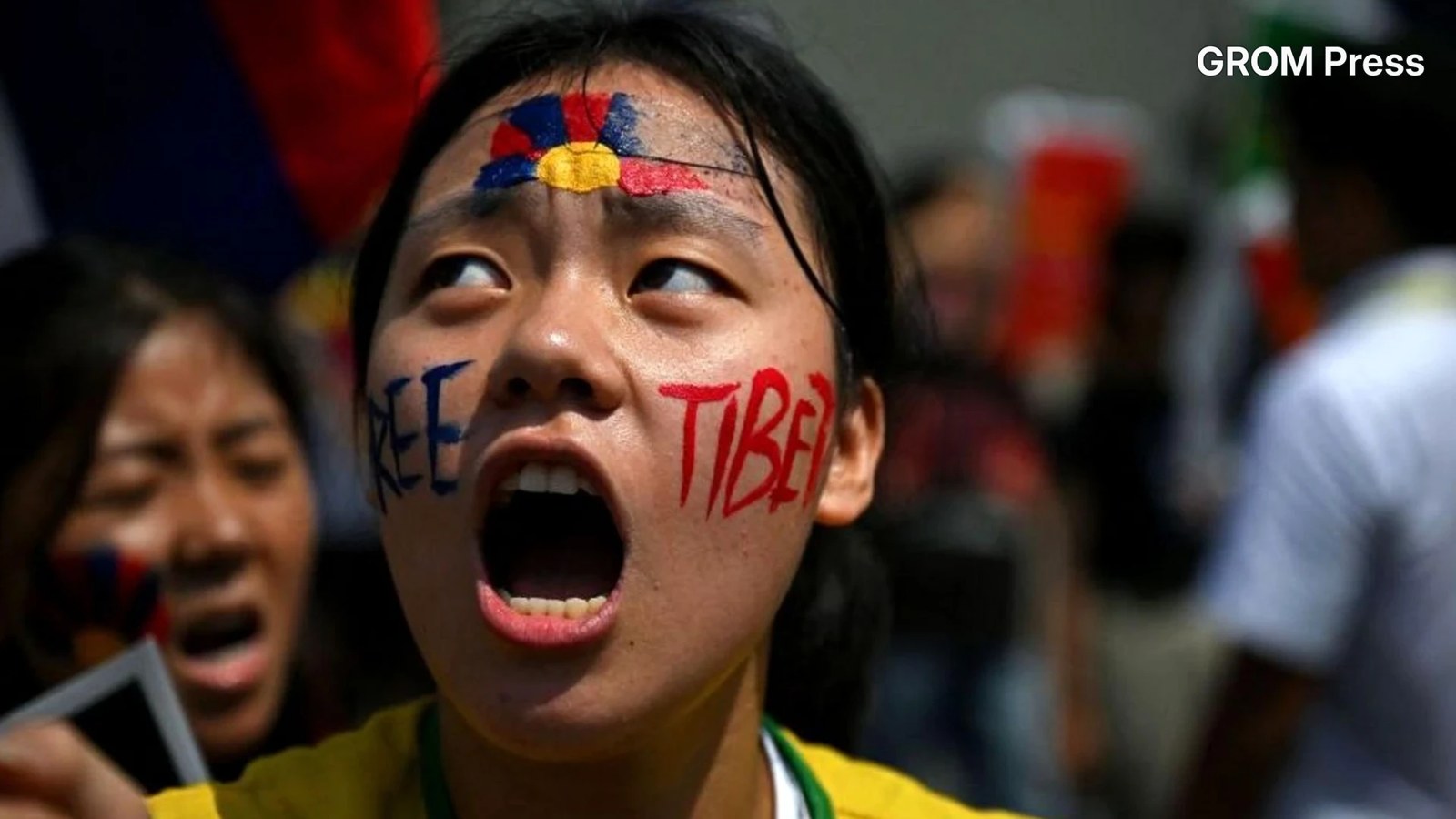
Uyghur activist Dolkun Isa, who has lived in exile in Germany for nearly three decades, said the shrinking size of protests is the clearest sign that his cause is slipping off the world's radar. In 2018, thousands of people could be mobilised to protest against China's human rights violations, but now organisers struggle to gather even 500, Isa said. Isa, 59, served as president of the Munich-based World Uyghur Congress from 2017 to 2024.
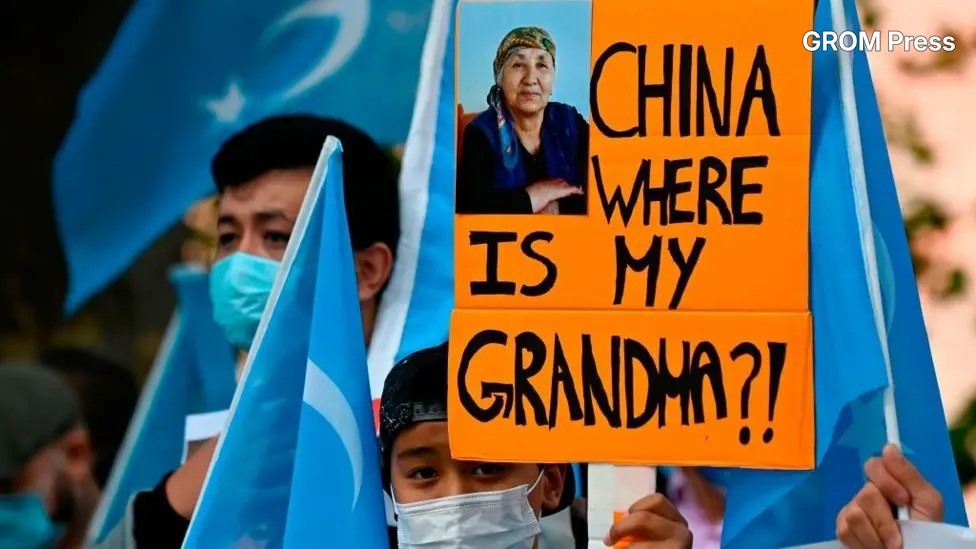
Reports of mass internment camps in Xinjiang emerged in 2018, with estimates that up to a million Uyghurs and other Muslims had been detained. Beijing described the camps as re-education facilities to counter separatist violence and denied allegations of rights abuses. The issue triggered international protests, trade bans, sanctions against senior Chinese officials, asset freezes, and parliamentary resolutions condemning the detentions in at least nine countries.
Activists told the BBC that Beijing has offered family reunions, money and promises of safety to exiles in exchange for information about their networks and support for pro-party narratives. The Chinese embassy in the UK dismissed claims that activists would be asked to spy on or disclose information about fellow exiles. The embassy said facilitating family visits for overseas Chinese is a normal consular service and that China respects and protects the lawful rights of people of all ethnic groups, including Uyghurs, and their freedom to maintain contact with family members overseas.
Uyghur journalist Arslan Hidayat, born and raised in Australia and the operator of Kashgar Times, said he has interviewed at least a dozen Uyghur exiles who were invited to return to China on condition that they provide information to Chinese agents from time to time. He described the questions as seemingly innocuous, such as who lives nearby and which Uyghur restaurants they frequent, and said they are believed to be used to build profiles of dissidents overseas.
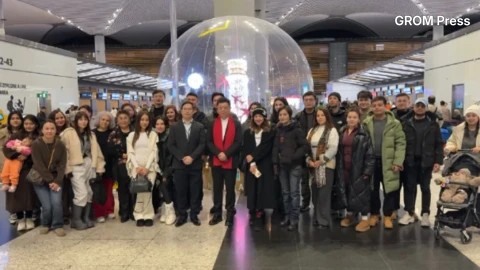
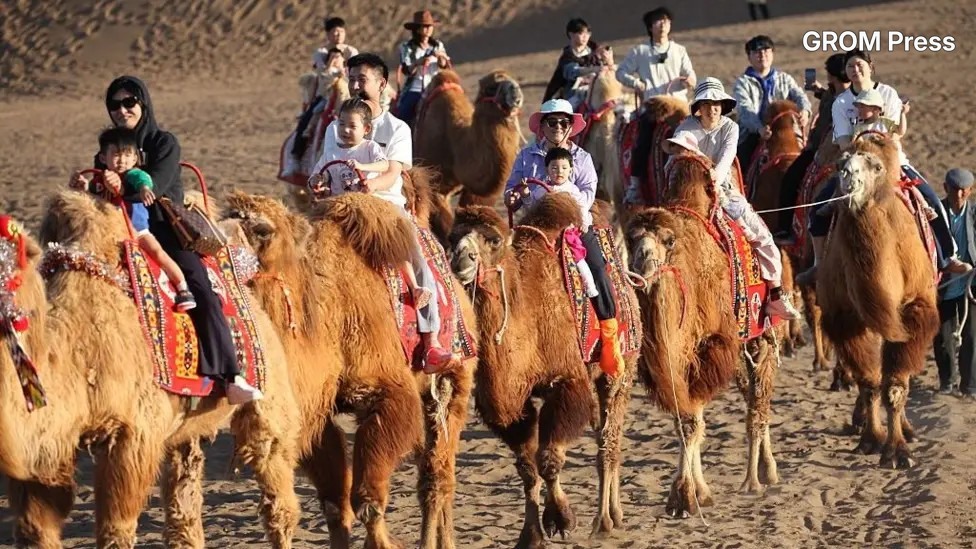
In Turkey, which hosts tens of thousands of Muslim minorities from Xinjiang, Chinese Consul-General Wei Xiaodong was photographed in January sending off about 30 participants from Istanbul. A post on the consulate's WeChat page said Wei hoped the diaspora returning to Xinjiang would experience the region's development and promote those developments after returning to Turkey. The post included a clip of loved ones hugging and presenting bouquets at Urumqi airport. Chinese authorities say Xinjiang recorded more than 300 million domestic and international tourist visits last year, more than double the 2018 figure.
Alim, a Uyghur exiled in Turkey whose name was changed to protect his identity, said a friend who appealed to the consulate for a family visit was rejected, with staffers alluding to her past relationship with a Kazakh man who had lobbied for his detained parents. Alim said the friend was crushed by the rejection.
Mehmut, a Uyghur businessman exiled in Turkey whose name was changed, accepted an invitation to a family visit in October 2024 hoping to re-establish business links. He said his interactions with friends and family felt superficial, with people cautious about what they told him and a strong sense of fear and self-censorship. He said officials did not actively monitor or restrict his movements, but the experience made him feel very uncomfortable.
Abduweli Ayup, a prominent Uyghur linguist based in Norway, said some former activists have gone off the grid after returning from these trips, deleting social media accounts and cutting contact. Others appear suspicious or concerned that activism could compromise their families' safety.
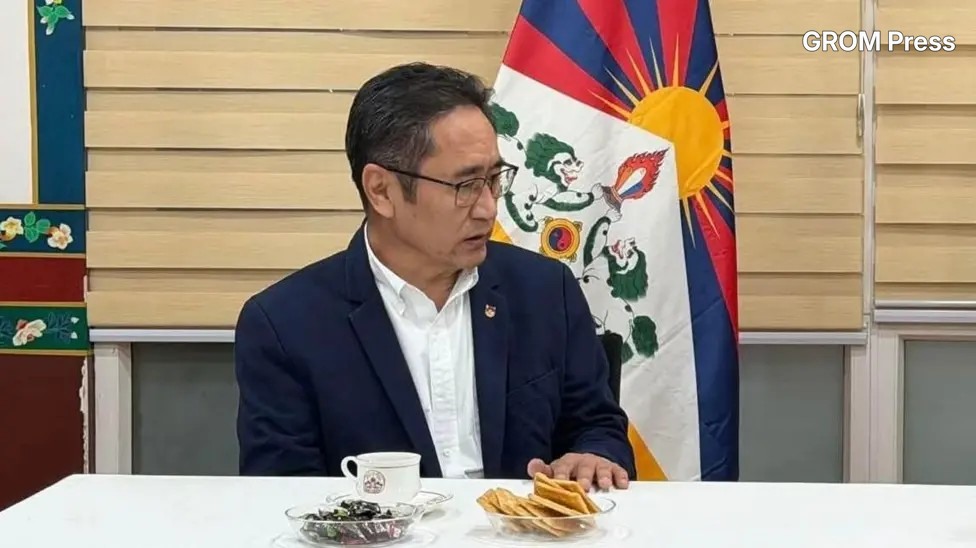
Tibetan activist Karma Rinchen, information secretary in the Tibetan government-in-exile in Dharamshala, northern India, said only a few people are selected for homeland visits, creating confusion within the diaspora. He said suspicions that some returnees feed information to Chinese authorities have proved true. Rinchen's parents were among thousands who followed the Dalai Lama into exile after China annexed Tibet.
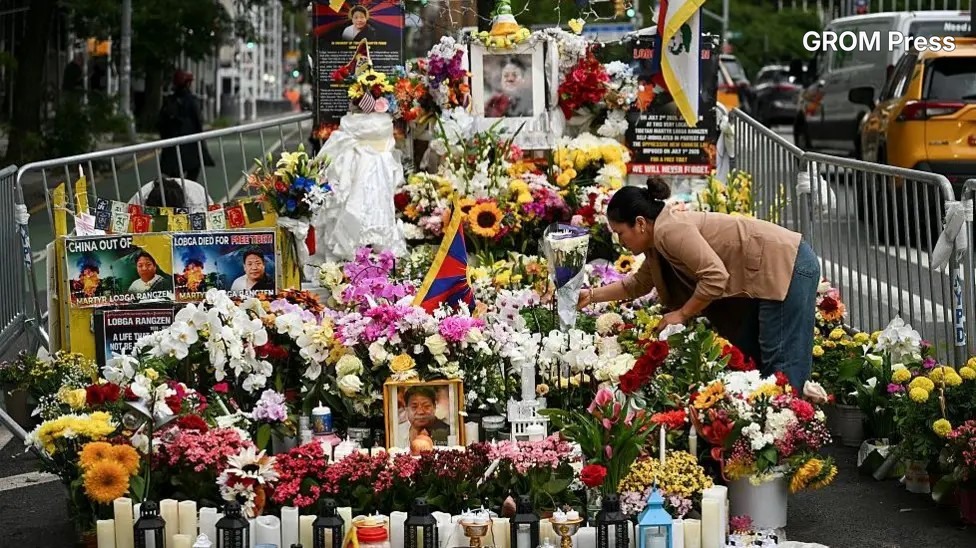
In July, Tibetan activist Lobga Rangzen died after setting himself on fire outside UN headquarters in New York to protest China's ethnic unity law, which requires minorities including Tibetans to learn Mandarin. The UN called the incident absolutely tragic, but attention quickly faded, according to Tenzin Dorjee, a researcher at the Tibet Action Institute. Dorjee said much of the world is reluctant to criticise China because of the power it wields.
Dolkun Isa tried to rally supporters against the same law in July but met with a muted response. He said many people have dialled down their activism because they are thinking about loved ones in China.
Uyghur musician Mirkamel Tourghoun, 42, has lived as a refugee in Paris since 2008 and has cut off contact with his family in Urumqi. In January, he received a call from someone claiming to be a city official who asked if he planned to return and see his parents, saying his father was gravely ill. Tourghoun described it as emotional blackmail and declined, telling his family to forget they ever had a child like him.
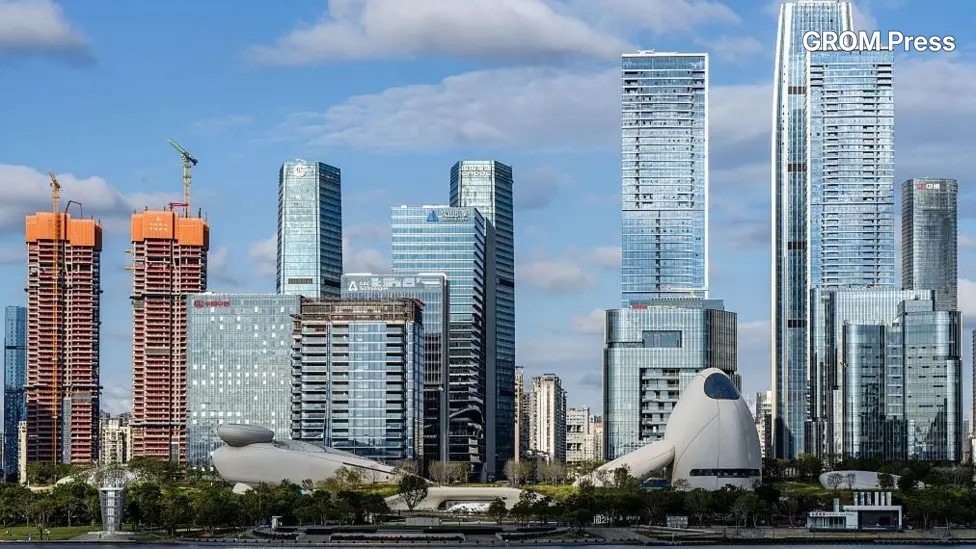
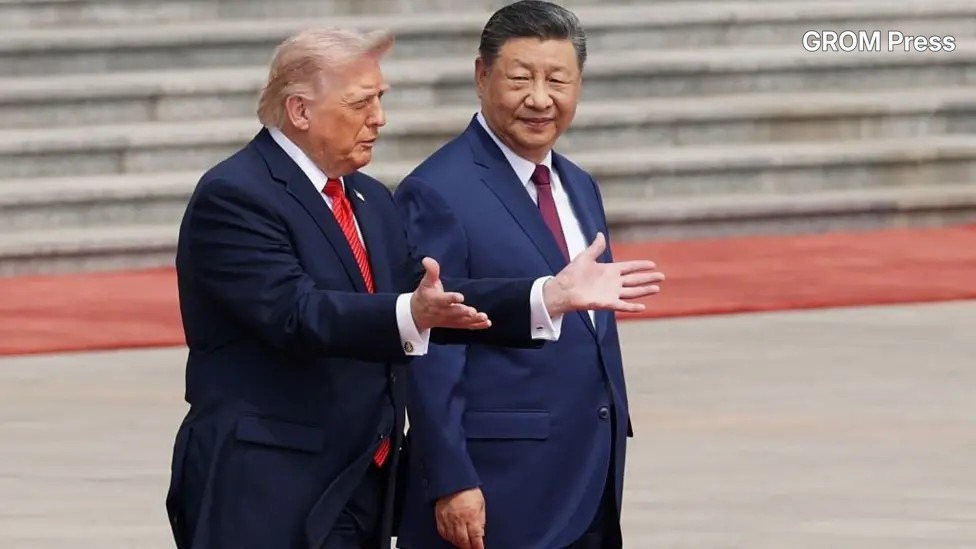
Pulitzer Prize-winning journalist Ian Johnson, who has long reported on Chinese civil society, said China's economic muscle has earned it respect abroad and reshaped foreign policy. He added that Western governments have become more inwardly focused and populist, pushing human rights down their priority lists. China's human rights record was not mentioned in any of the three summits between Xi Jinping and Donald Trump held this year, including one in Shenzhen last week.


Comments
No replies yet. Start the discussion.
Sign in to reply