
Engadget publishes 14 product reviews in 14 days, covering Apple HomeView, Ray-Ban Meta Gen 3 and other devices
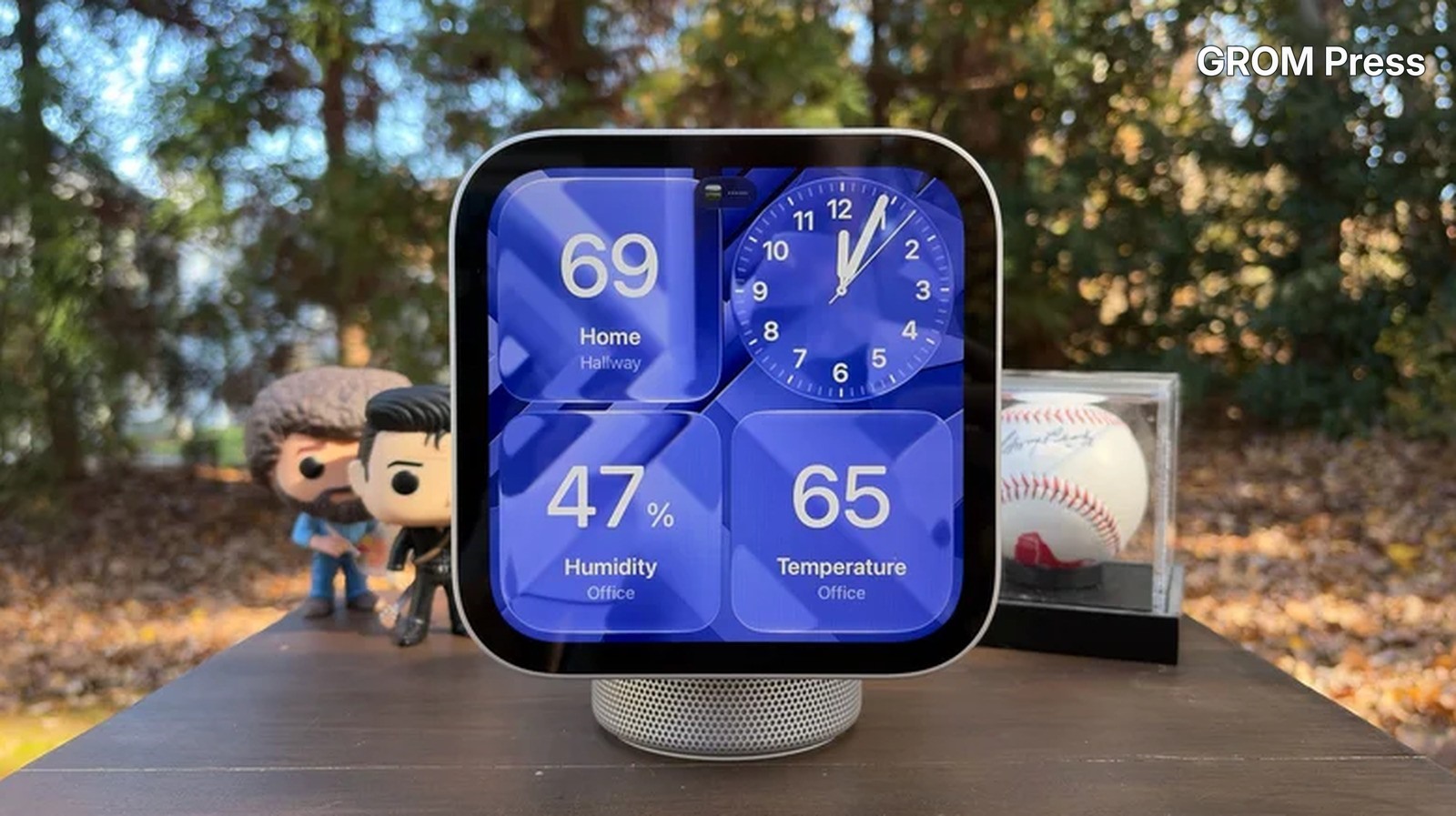
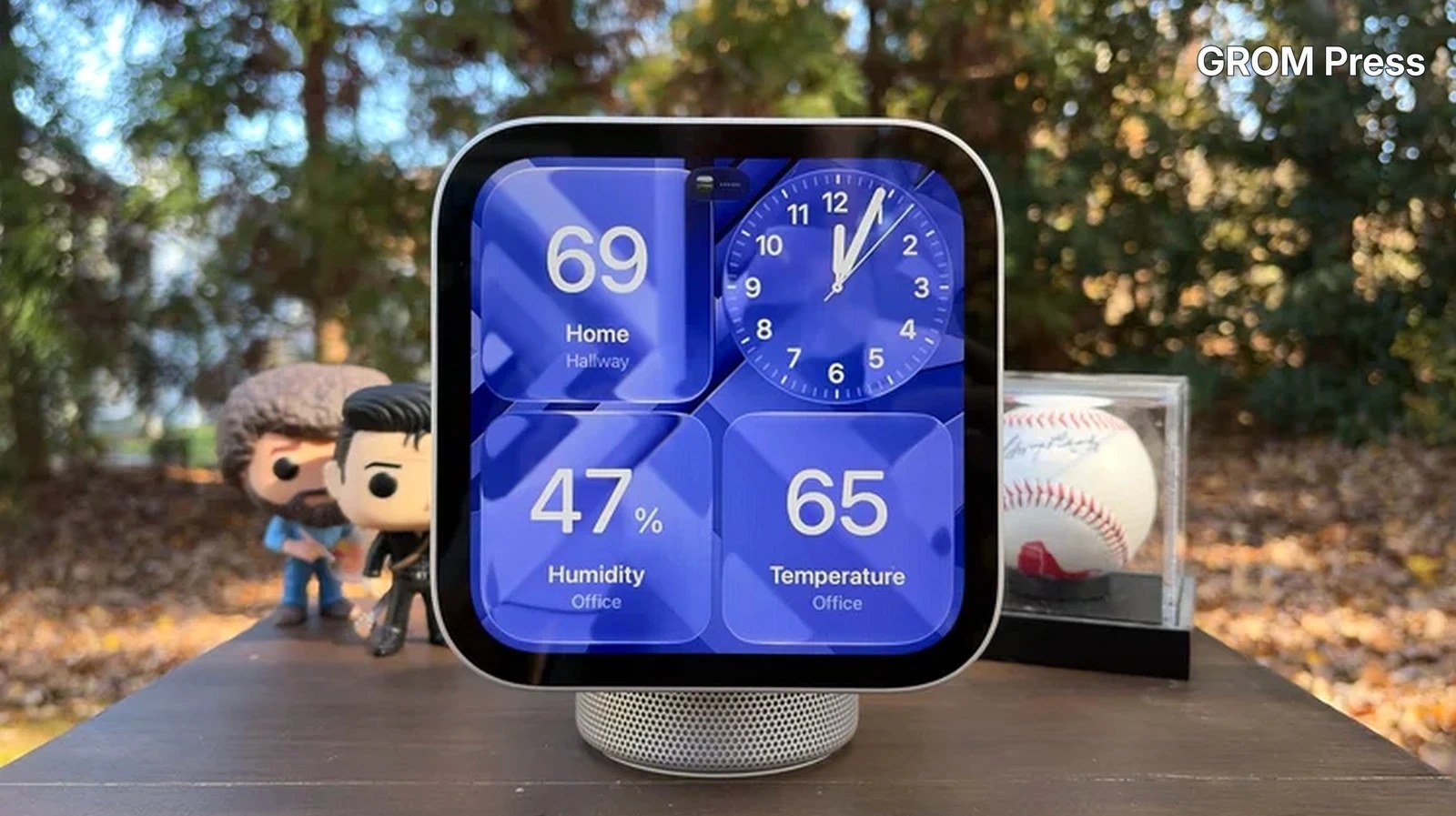
Engadget reviewers tested 14 products over two weeks, including Apple's HomeView smart display, fourth-generation Apple TV 4K, HomePod mini 2, Ray-Ban Meta Gen 3 smart glasses, Xreal Aura Android XR glasses, Microsoft Surface Laptop Ultra, HoverAir Versa gimbal camera-drone, Nacon Revolution 5 Unlimited controller, Sony 27-inch Gaming Monitor with DualSense Charging Hook, SteelSeries Rival Pro mouse, 2027 Chevrolet Bolt, Pixel Tag, Neurable One headphones and Pebble Index 01 ring. Reviewers praised the HomeView screen and sound but criticized its iPhone dependence and Siri AI limitations.
Engadget published 14 reviews over 14 days, covering a trio of Apple products, two pairs of glasses, gaming gear and other devices, according to the outlet's recap.
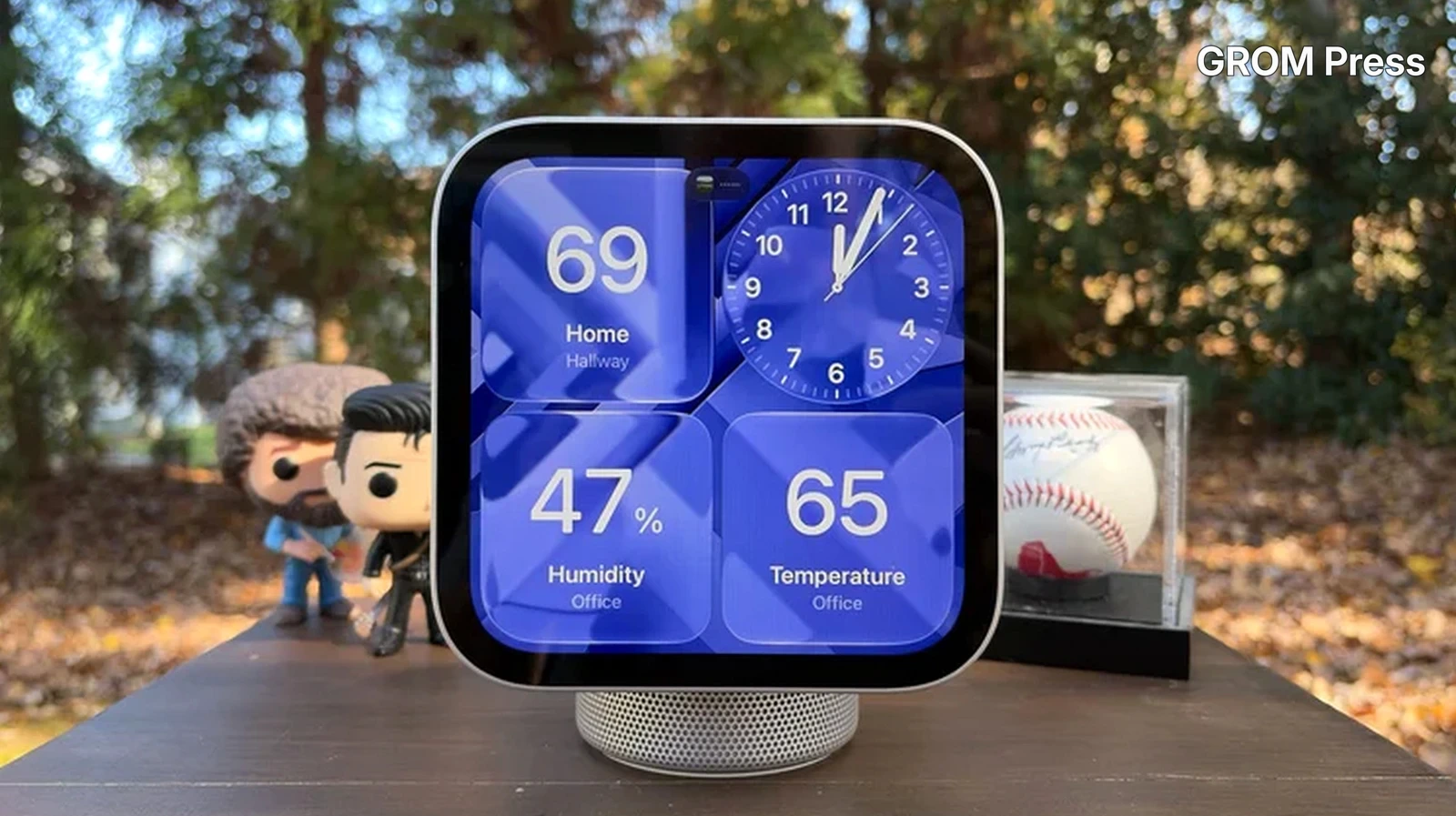
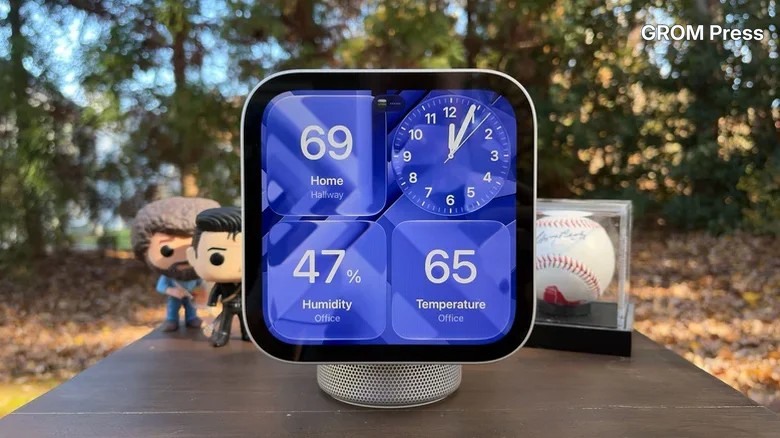
The main event was the simultaneous arrival of three Apple devices announced at the Welcome Home event. Reviewers first tested the HomeView smart display and the fourth-generation Apple TV 4K. The HomeView was described as having a crisp, colorful screen, category-leading sound and a refined design useful for the whole family. However, it was said to rely heavily on the iPhone, and Siri AI was reported to fail at fairly basic tasks. The device runs CarPlay-enabled apps, making it dependent on third-party support.
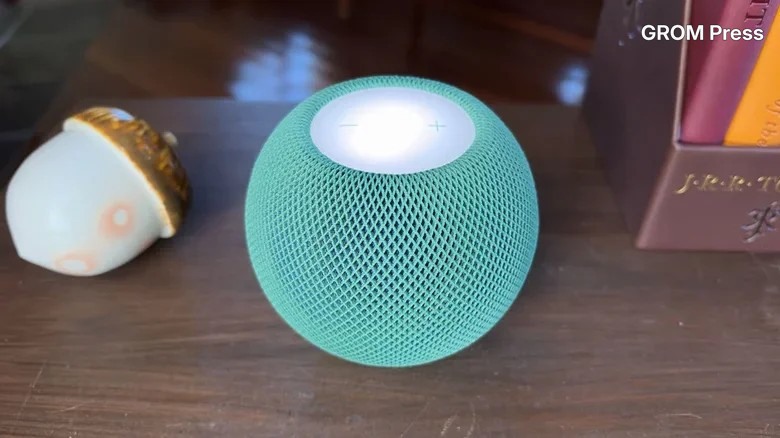
The fourth-generation Apple TV 4K was called the best streaming box available. It was described as speedy and equipped with built-in microphones for Siri, but its higher price made it less easy to recommend than before. Regarding the HomePod mini 2, reviewers said it should not be considered until it is outfitted with the new version of Siri AI, and no timeline for that update was provided.
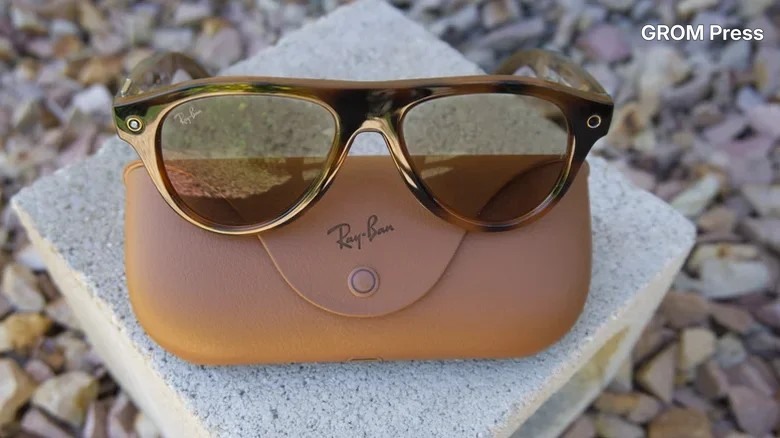
Meta recently announced three smart-glasses models, including the Ray-Ban Meta Gen 3. Senior reporter Karissa Bell reviewed the Gen 3 and found the cameras still present and displays still absent. The new model was described as more expensive while not offering much more than its predecessor.
Devindra reviewed the Xreal Aura, a set of Android XR glasses. The hardware was described as light, bright and comfortable, but the device was said to be hampered by what the reviewer called a half-baked Android XR platform. The platform was also cited as a major reason the Aura costs twice as much as Xreal's previous hardware.
Devindra also tested Microsoft's Surface Laptop Ultra, described as the company's flagship RTX Spark laptop. It was called sleek and powerful but expensive, and it was said to lag behind Apple's M5 Pro laptops in performance. The reviewer noted that its refinement shows how far Microsoft has come.
Contributing reviews writer James Trew tested the HoverAir Versa, a device described as a gimbal camera that transforms into a drone, or a drone that doubles as a gimbal camera. The Versa was said to have benefits but not to particularly excel at either task.
In gaming coverage, UK bureau chief Mat Smith tested the highly customizable Nacon Revolution 5 Unlimited controller. Senior reporter Jessica Conditt spent several weeks with the Sony 27-inch Gaming Monitor with DualSense Charging Hook. Senior reporter Sam Rutherford tested the SteelSeries Rival Pro mouse.
Contributing reviews writer Tim Stevens drove the 2027 Chevrolet Bolt and lamented that one of the best EVs will not be around for much longer. Sam Rutherford tested the new Pixel Tag by trying to lose his belongings. Senior reporter Daniel Cooper used the Neurable One headphones to monitor brain waves and productivity, and later tested the Pebble Index 01 ring, which he found handy despite its seemingly mundane nature.




Comments
No replies yet. Start the discussion.
Sign in to reply