
Dutch competition authority finds limited impact of petrol pricing algorithms
The Netherlands Authority for Consumers and Markets (ACM) has concluded that the use of pricing software by petrol station operators has a limited effect on the prices paid by motorists. More than half of station owners use rule-based price software, while less than ten percent use self-learning algorithms. The ACM found no structural increase in station margins since the outbreak of the war in Iran and attributed recent price increases mainly to higher refinery and oil production margins.
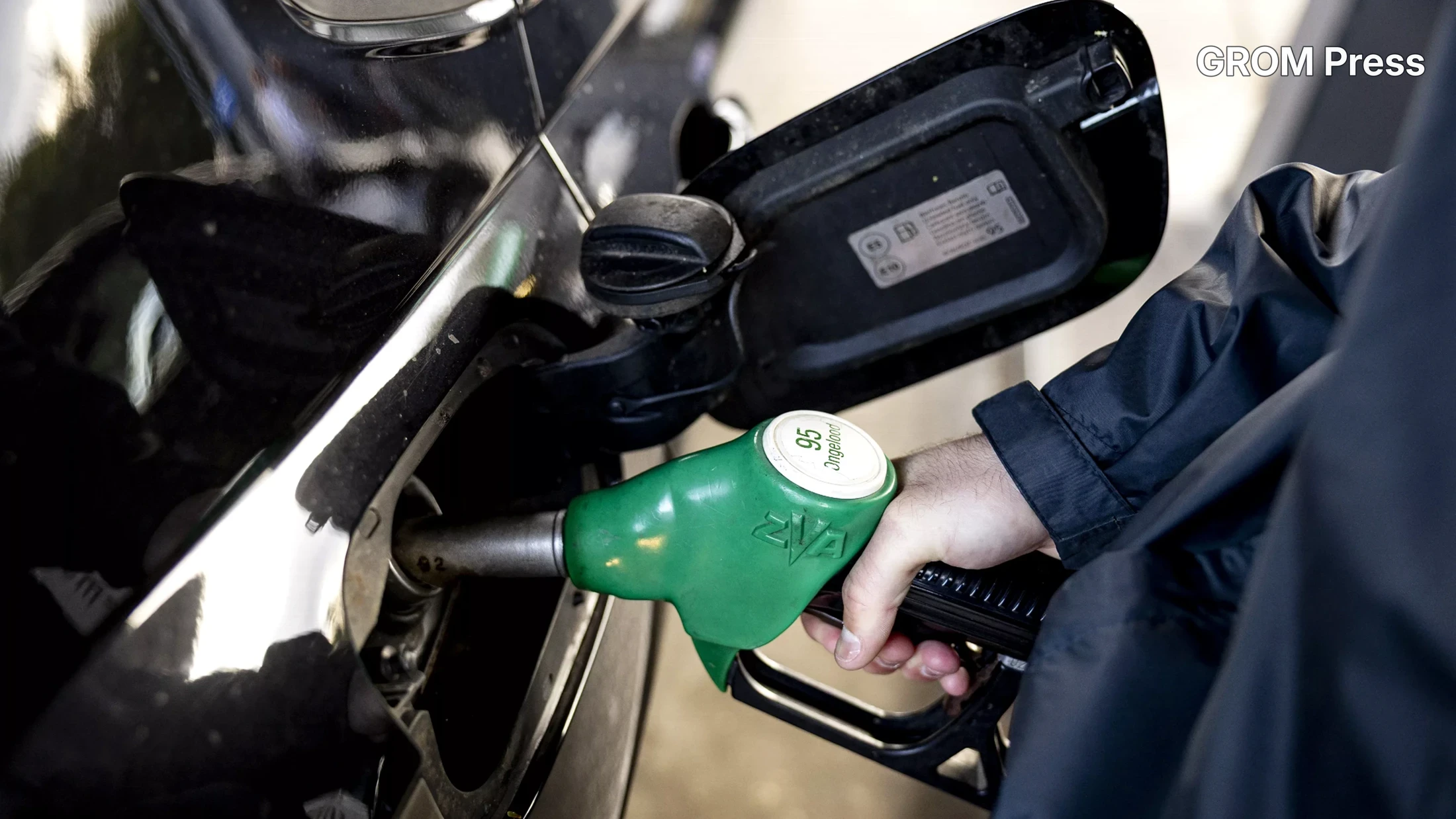
The Netherlands Authority for Consumers and Markets (ACM) has published the findings of its investigation into the use of pricing algorithms at petrol stations. The authority concluded that the use of algorithms by station operators does not lead to unnecessarily high petrol prices and that their influence on what motorists ultimately pay is limited.
The ACM identified two forms of pricing software used in the Netherlands. The first is a rule-based system that calculates the price per litre within pre-set limits and adjusts it directly at the pump. For example, a station owner can set in advance that the litre price may not deviate by more than a specified amount from the price of a nearby competitor. According to the ACM, more than half of petrol station owners use this type of software.
The second form is a more advanced self-learning algorithm that continuously searches for a way to sell as much petrol as possible at the highest possible profit. Less than ten percent of station owners use this system, the ACM reported.
Other station owners do not use pricing software at all and set the price at the pump themselves, based on the national advisory price of oil companies. They can determine any discount on petrol prices themselves.
The ACM stated that the use of pricing software is not prohibited and can lead to both higher and lower prices. Because self-learning algorithms are used only to a limited extent, the authority sees few risks.
The ACM also noted that it had previously concluded that the margins of petrol station operators have not grown structurally since the outbreak of the war in Iran. The authority said that the fact that petrol has become more expensive in recent months is mainly due to increased margins at refineries and in oil production.




Comments
No replies yet. Start the discussion.
Sign in to reply