
ESP-AnalogRadio turns ESP8266 and ESP32 Wi-Fi chips into 2.4 GHz and 5 GHz analog radio transmitters
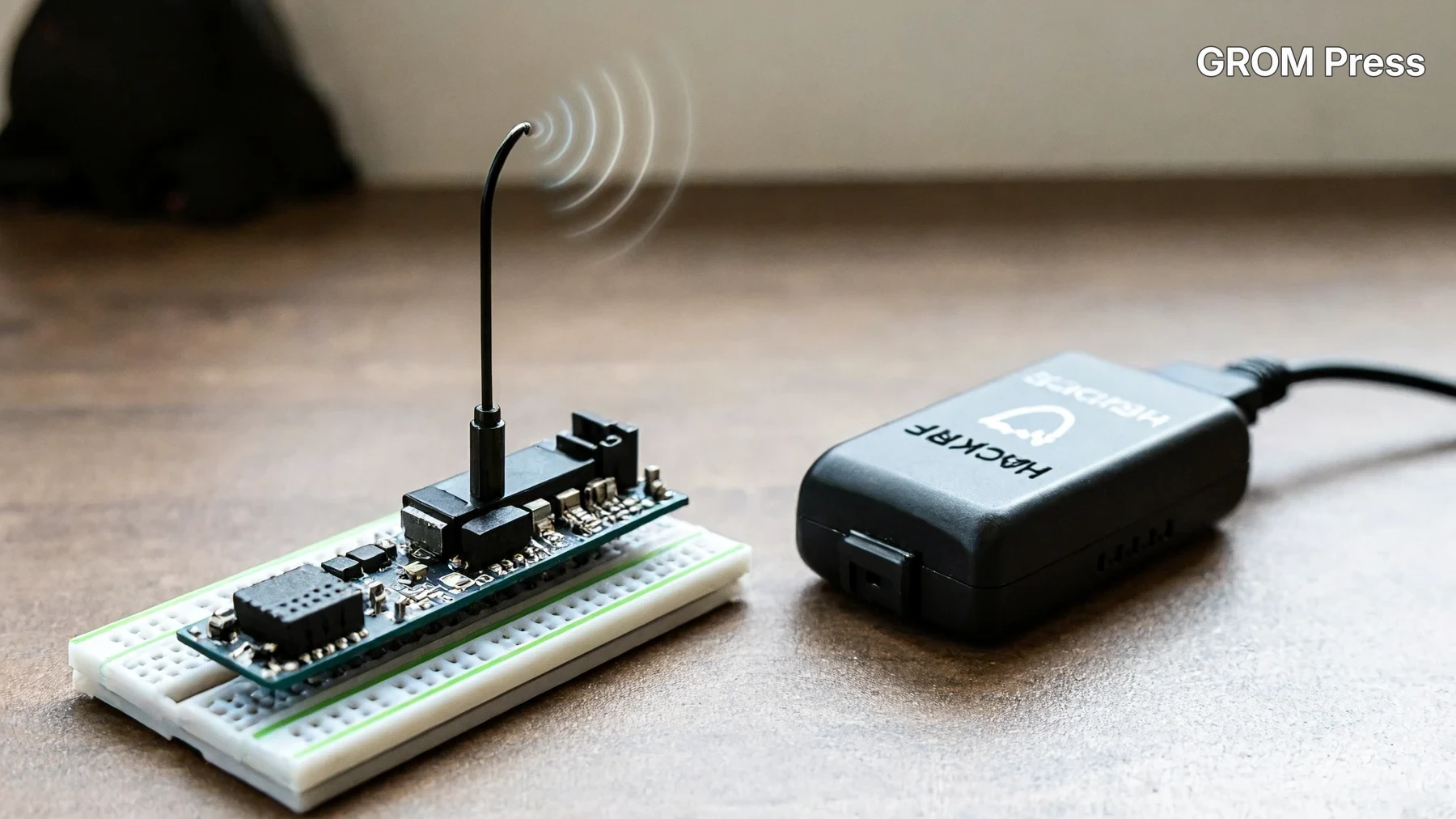
The open-source ESP-AnalogRadio project has released firmware for ESP8266 and ESP32 Classic/C5/C6 microcontrollers that repurposes the built-in Wi-Fi and Bluetooth RF module to generate and receive analog radio signals with AM, FM and SSB modulation in the 2.4 GHz and 5 GHz bands. FM mode supports stereo sound. Because the signal is transmitted on Wi-Fi frequencies, it cannot be received by ordinary AM/FM radios; demodulation requires an SDR device supporting 2.4/5 GHz, such as HackRF. The firmware code is open under the GPLv3 license.
Main event
The ESP-AnalogRadio project has developed a set of open-source firmware images that convert ESP8266 and ESP32 Classic/C5/C6 microcontrollers into analog radio stations. The firmware uses the built-in radio-frequency module, normally intended for Wi-Fi and Bluetooth, to generate and receive analog radio signals.
Technical details
The project supports amplitude modulation (AM), frequency modulation (FM), and single-sideband modulation (SSB). Transmission and reception are available in the 2.4 GHz and 5 GHz frequency ranges. In FM mode, the firmware implements stereo sound support.
Reception requirements
Because the signal is transmitted on Wi-Fi frequencies, conventional household AM/FM radio receivers cannot pick it up. Demodulation requires an SDR device with support for the 2.4 GHz and 5 GHz bands, for example HackRF.
Licensing and availability
The firmware code is open and distributed under the GPLv3 license. The project did not specify a release date or a specific publication date for the firmware in the provided material.



Comments
No replies yet. Start the discussion.
Sign in to reply