
NASA launches next-generation satellite laser ranging station in the Arctic
NASA's first next-generation Satellite Laser Ranging station began operations on 12 October at the Ny-Ålesund geodetic observatory on Svalbard, Norway. The station, operated by the Norwegian Mapping Authority, is the world's northernmost such facility and can fire thousands of laser pulses per second while detecting individual reflected photons. It will improve satellite orbit determination, Earth reference frame accuracy, and monitoring of sea level, ice cover and tectonic plate movement, especially for polar-orbiting satellites such as ICESat-2. NASA is building two more next-generation systems at Goddard and the McDonald Observatory in Texas.
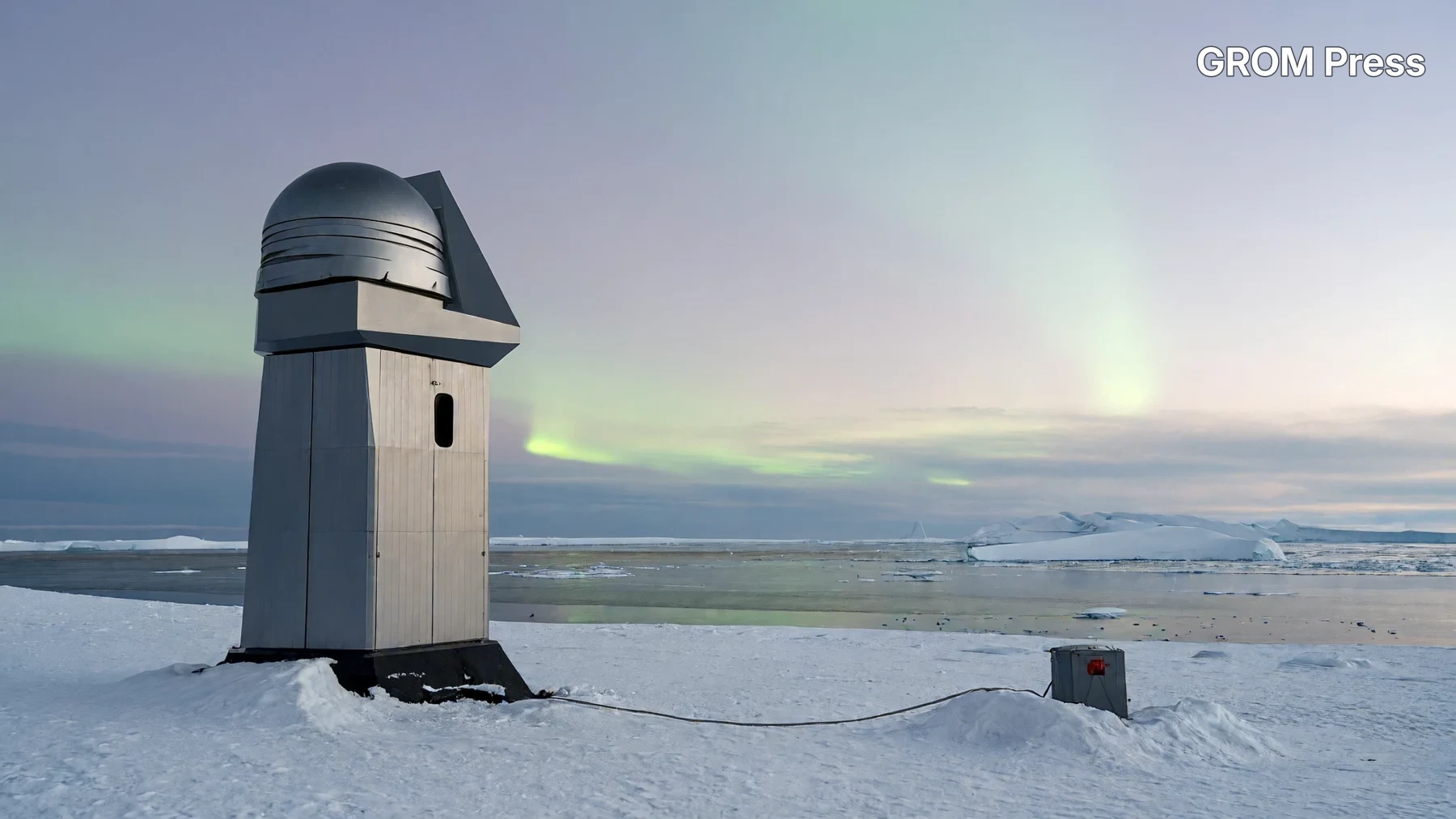
The first next-generation Satellite Laser Ranging station developed by NASA began operations on 12 October at the Ny-Ålesund geodetic observatory on the Svalbard archipelago in Norway. The Norwegian Mapping Authority, which manages the observatory and is a NASA partner, operates the station. NASA described it as the world's northernmost facility of its type.
The new installation sends thousands of laser pulses per second, compared with tens of pulses per second from previous-generation systems. Its sensors can detect individual photons reflected by special retroreflectors on satellites, allowing measurements even when the returned signal is very weak. Satellite laser ranging determines the distance to a satellite by measuring the round-trip travel time of a light pulse. The resulting data are used to refine satellite orbits and to build the terrestrial reference frame against which satellite observations are compared. NASA said this reference frame is needed, in particular, to measure changes in sea level, ice cover and tectonic plate movement.
The Arctic location is especially useful for tracking satellites in polar orbits. NASA's station at the Goddard Space Flight Center can observe such spacecraft two or three times per day, while from Ny-Ålesund they can be observed on nearly every orbit. NASA cited the ICESat-2 satellite, which measures ice-surface height, as a potential beneficiary, saying more precise laser ranging should improve calibration of its observations.
NASA is already building two more next-generation systems to replace older installations at the Goddard Space Flight Center and the McDonald Observatory in Texas. The agency said experience from operating the Arctic station, including remote-operation testing, will be used in developing the next complexes.


Comments
No replies yet. Start the discussion.
Sign in to reply