
OpenAI and Cisco launch Shirudo, an open-source AI-assisted Linux runtime for blocking exploits without downtime
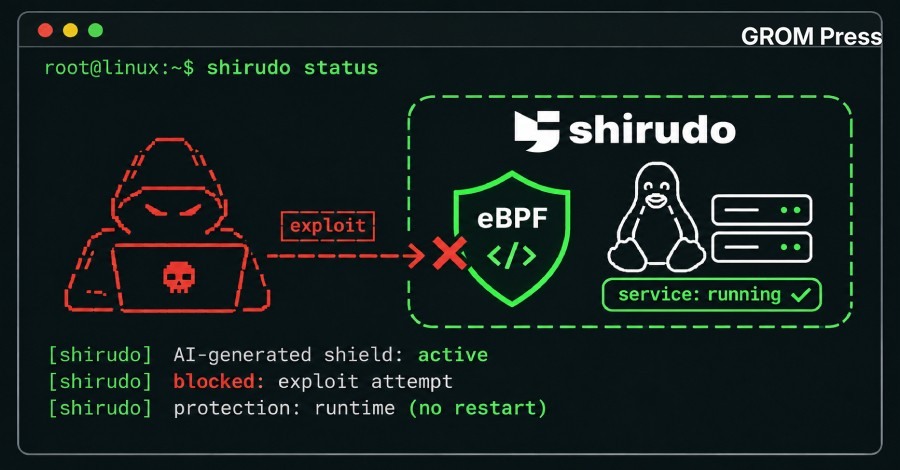
OpenAI and Cisco have unveiled Shirudo, an open-source Linux runtime that lets AI agents create and deploy eBPF-based shields to block exploit paths while services keep running. The tool is built on Cisco Isovalent's Tetragon platform and uses signed .bee packages distributed through an OCI-compliant registry. In a controlled experiment, an AI-generated shield blocked a Java4Shell exploit attempt against a running Elasticsearch service without a restart, according to OpenAI.
OpenAI and Cisco have announced Shirudo, an open-source Linux runtime designed to let artificial intelligence agents defend systems against exploits without requiring downtime or service restarts. The name Shirudo means "shield" in Japanese.
The project is positioned as a first step toward self-defending infrastructure that can adapt to new threats while services continue to operate. According to OpenAI, the tool gives defenders more time to test and roll out patches by allowing AI agents to write dynamic eBPF controls that shield systems from exploits.
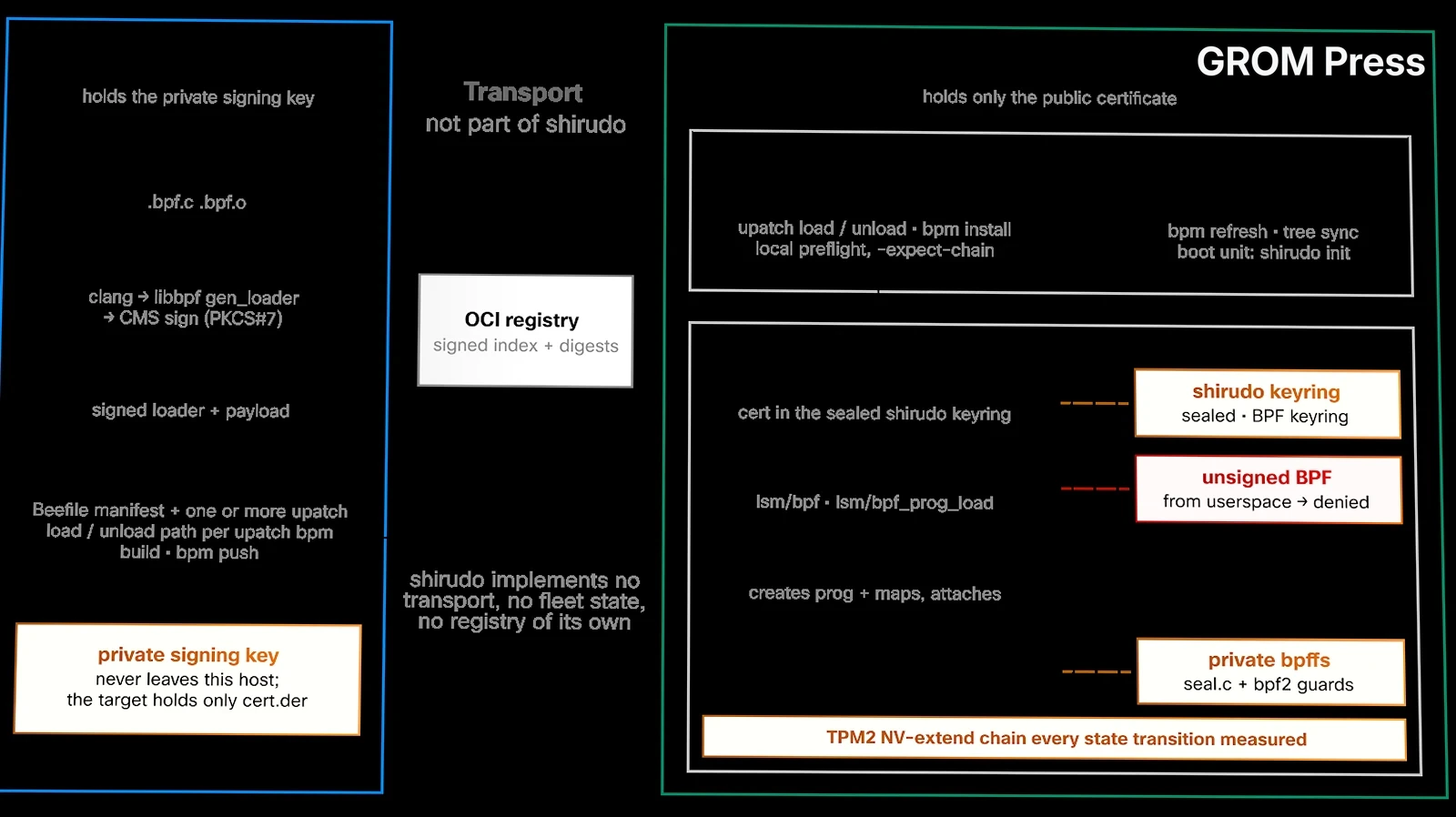
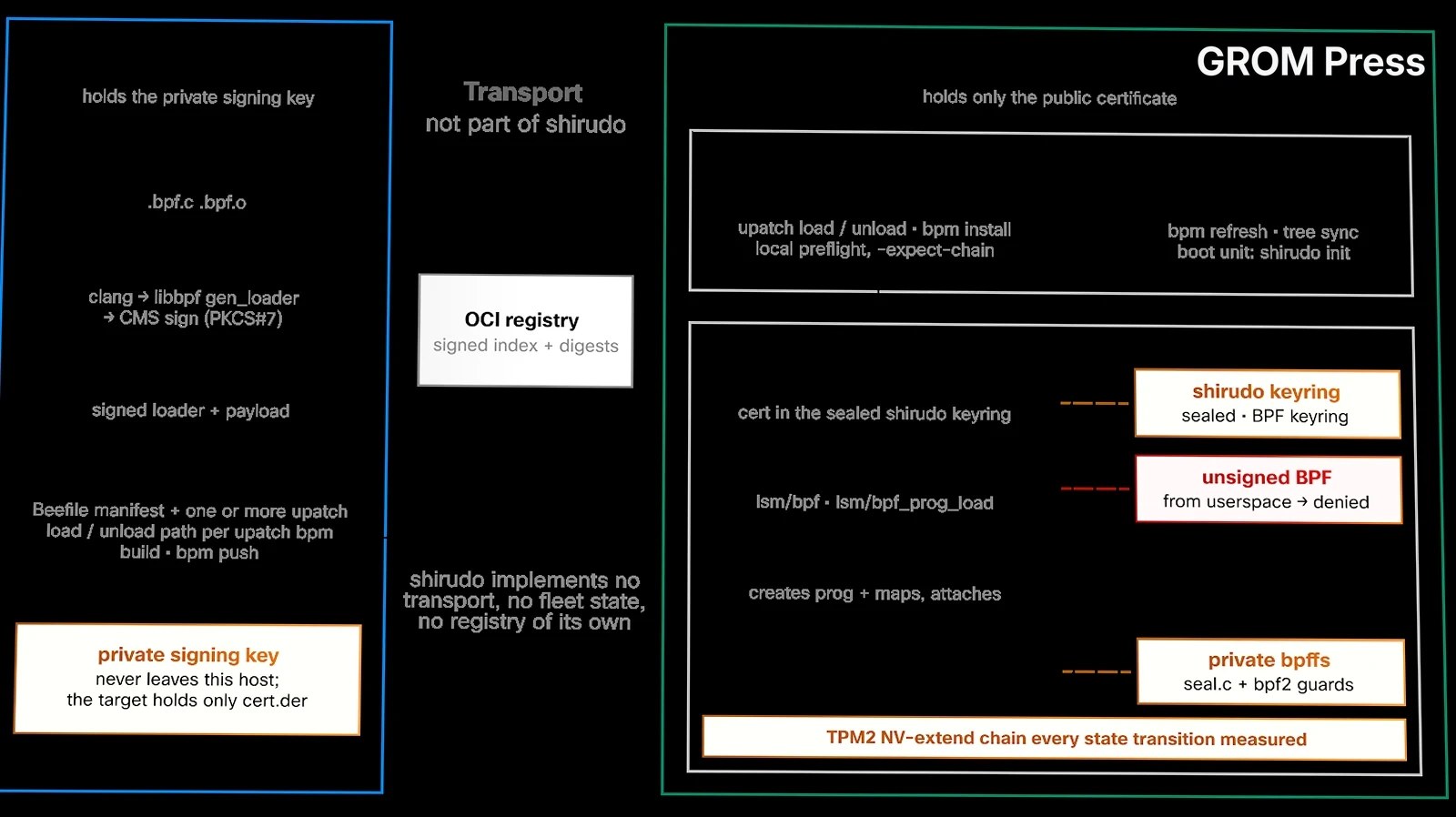
Shirudo is built on Tetragon, an eBPF-based security platform developed by Cisco's Isovalent and open-sourced in May 2022. Unlike Tetragon, Shirudo is primarily designed for AI agents and uses eBPF capabilities to inject code mitigations. At the center of the system is a guardian agent that uses eBPF shields to block vulnerable code paths without restarting the system. Security teams can monitor how a proposed shield would affect an application before enforcing it. The shields are cryptographically signed and verified before being loaded.
The workflow described by the companies involves an agent scanning open-source code or processing vendor vulnerability disclosures, tracing each vulnerability to affected assets and attack paths, and writing a small, targeted shield. The agent checks that the shield covers the exploit and that the service continues to run. The shield becomes active only when evidence indicates it is safe, and it is retired when the official patch is deployed.
Shirudo shields are delivered as signed .bee packages through an OCI-compliant registry. The Shirudo layer on each target machine pulls these packages and validates each signature using TPMs to establish trust and safety.
OpenAI reported a controlled experiment in which a Codex-generated shield blocked a Java4Shell exploit attempt against a running Elasticsearch service without requiring a restart.
The companies said the goal is to counter AI-driven threats with AI-driven defense at machine speed. Thomas Graf, CTO of Cisco Security, and Liz Rice, chief open source officer at Isovalent, stated that AI models have become highly effective at finding and exploiting software vulnerabilities and can chain flaws together to discover new attack vectors. They added that critical fixes for widely used software, from the Linux kernel to application libraries, still take days, weeks, or months to reach most systems, while the mean time to exploitation has become negative.




Comments
No replies yet. Start the discussion.
Sign in to reply