
Russia to spend 47 billion rubles on two railway ferries to Kaliningrad amid blockade fears
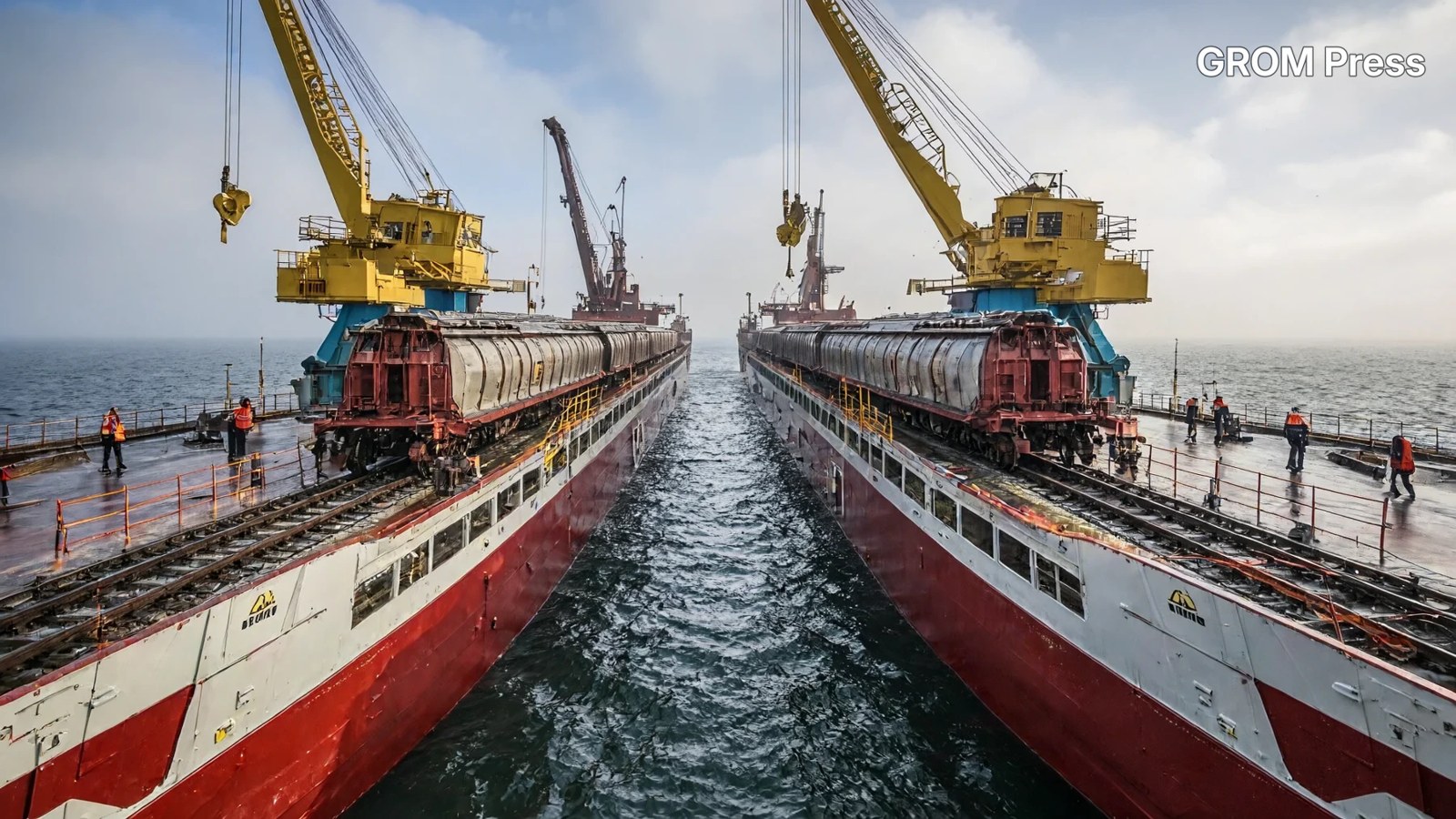
Prime Minister Mikhail Mishustin announced that Russia will build two railway ferries between Ust-Luga and Baltiysk to supply the Kaliningrad region in case of a transport blockade. The project, ordered by a government decree signed in early November, is estimated at 47 billion rubles and may reach 50 billion. Completion is planned by 2030. The announcement follows Russian warnings in late September about possible nuclear weapon use if NATO attempts to blockade the region, and a NATO Europe commander's October strategy for a rapid victory in case of Russian attack, including strikes on Russian command and air defence facilities in Kaliningrad, the St. Petersburg area and Belarus.

Russian Prime Minister Mikhail Mishustin announced that the authorities will build two railway ferries to supply the Kaliningrad region in case of a transport blockade. The ferries will be constructed at a Russian shipyard according to a Russian design and will operate between the ports of Ust-Luga in the Leningrad region and Baltiysk in the Kaliningrad region.
According to a government order signed by Mishustin in early November, the project will cost 47 billion rubles. Mishustin acknowledged that the project budget could reach 50 billion rubles. The government expects the new vessels to increase cargo transportation volumes and reduce business delivery costs. The project is planned to be completed by 2030.
The announcement comes after Russia warned in late September that it could use nuclear weapons if NATO attempts to blockade the Kaliningrad region. The Russian embassy in Ireland published the statement, and Reuters reported that Russian authorities sent a similar warning to the alliance.
In October, the NATO supreme commander in Europe, Alexus Grinkevich, presented a rapid victory strategy in case of a Russian attack. According to The Wall Street Journal, the strategy includes missile strikes on Russian command posts and air defence systems in the Kaliningrad region, the St. Petersburg area and Belarus.



Comments
No replies yet. Start the discussion.
Sign in to reply