
Z.ai launches GLM-5.4, a 750-billion-parameter model that reuses layers to emulate larger systems
Chinese company Z.ai has introduced GLM-5.4, a flagship language model built on Loop Transformer architecture. The model reuses 28 layers of the pretrained GLM-5 twice per forward pass, which the developer says brings its capabilities close to systems with 2-3 trillion parameters without a proportional increase in size. Independent benchmarks have not been published. GLM-5.4 is available to GLM Coding Plan subscribers as of 23 November, with a 50% higher weekly quota than for GLM-5.3. Open weights and API access are promised later, after additional safety checks.
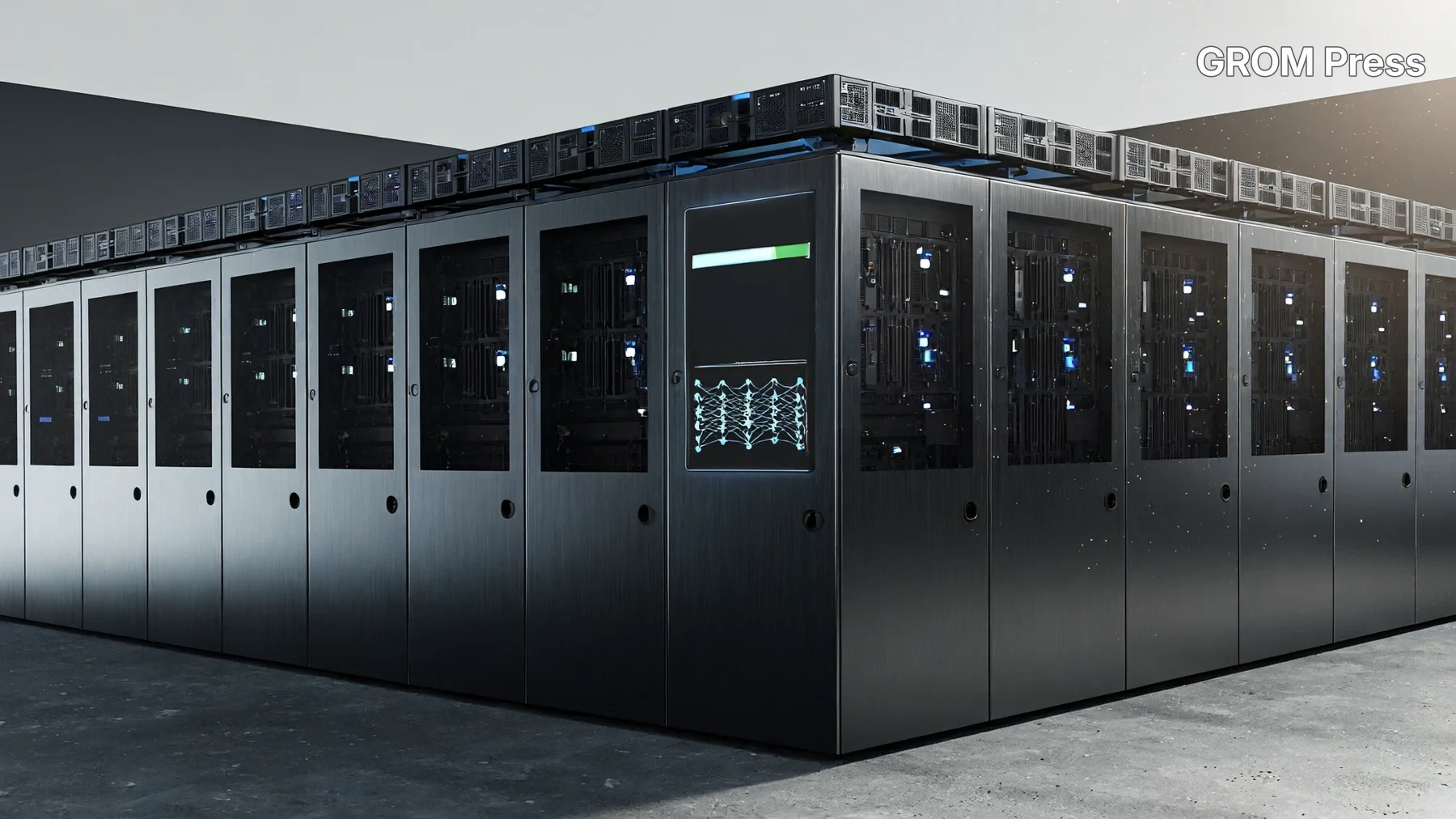
Chinese company Z.ai has presented GLM-5.4, a flagship language model built on the Loop Transformer architecture. The model is based on the pretrained GLM-5, which has 750 billion parameters. In the new architecture, 28 layers are used twice during a single forward pass: the second pass takes the results of the first and refines them further. Z.ai claims this approach allows the model to approach the capabilities of systems with 2-3 trillion parameters without increasing the model size in the same proportion. The company has not published independent test results or full benchmark tables, so this comparison remains a developer claim.
The idea of reusing layers is not new. Similar architectures were studied in the Universal Transformer work from 2018. According to Z.ai, models trained from scratch under this scheme underperformed conventional transformers at equal computational cost. Therefore, GLM-5.4 was created differently: developers took the already trained GLM-5 and adapted it to repeated layer passes. In a controlled comparison on a 30-billion-parameter model, this approach produced a noticeable gain while increasing total training costs by about 10%. Z.ai reports the most significant improvements in mathematics, scientific reasoning, and long-context tasks.
Z.ai also links GLM-5.4 to a shift from ordinary programming to broader code application, saying the model should help create videos, games, three-dimensional scenes, and engineering CAD models. The company claims image-handling capabilities and overall programming improvements. Among the limitations, developers note the model’s tendency toward excessively long reasoning and self-checking cycles. They say additional computations can improve accuracy but sometimes lead to overly long task processing.
As of 23 November, GLM-5.4 is available to subscribers of the GLM Coding Plan. For users with weekly limits, Z.ai increased the quota for working with the new model by 50% compared with GLM-5.3. Open weights have not been published yet; the company promises to release them after additional safety verification. API access will also appear later. For this reason, the real performance of GLM-5.4 cannot currently be assessed, and the comparison with trillion-parameter models cannot be independently verified.


Comments
No replies yet. Start the discussion.
Sign in to reply