
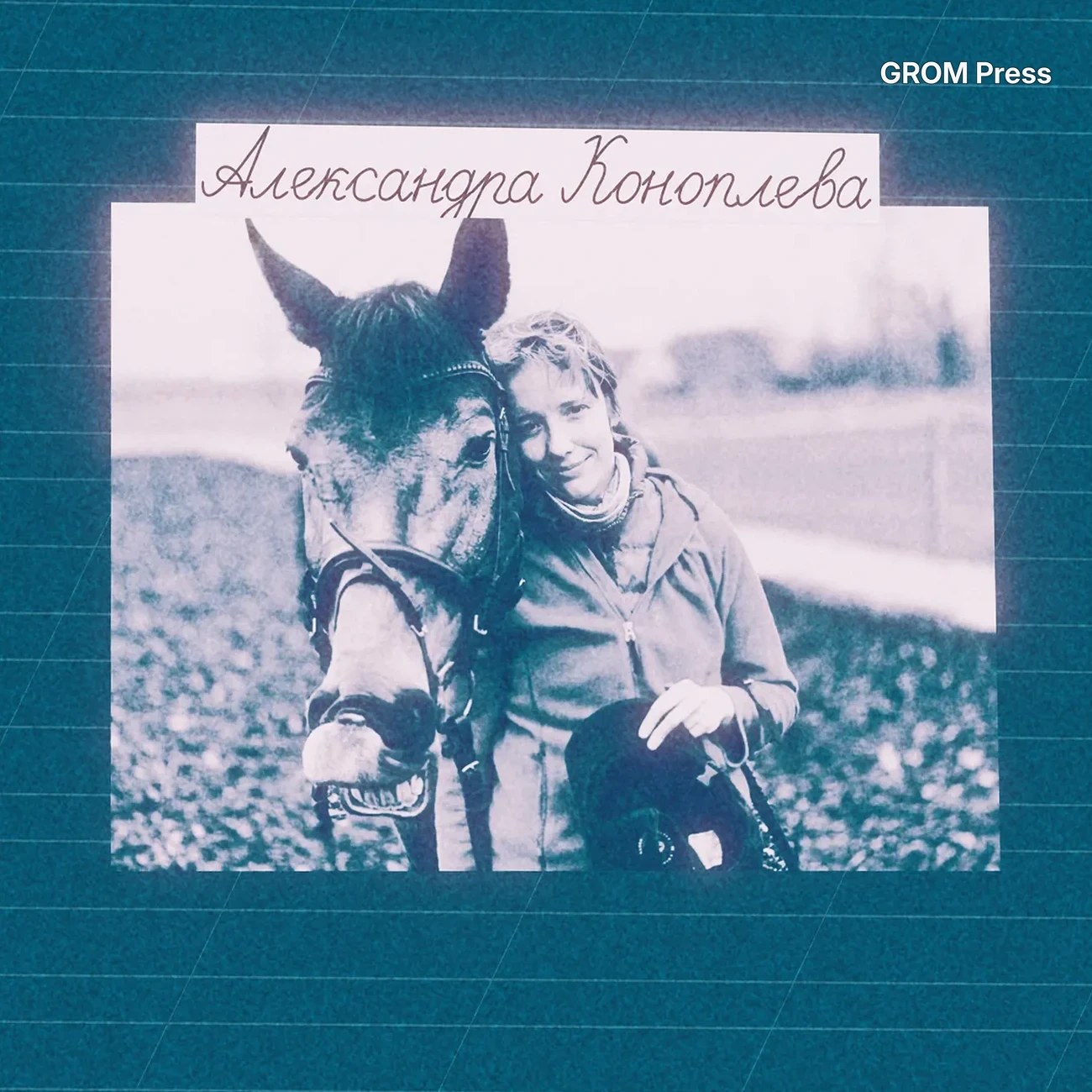
Russian emigrant Alexandra Konopleva founded a Russian-language children's centre in Hanover after arriving in Germany as an au pair
Alexandra Konopleva, who moved to Germany nearly 14 years ago as an au pair, now runs the educational centre "Chemodan skazok" in Hanover, which serves more than a thousand children and adults a year. She also became a volunteer firefighter, joined Hanover's youth policy council, and obtained German citizenship this year while keeping her Russian passport.
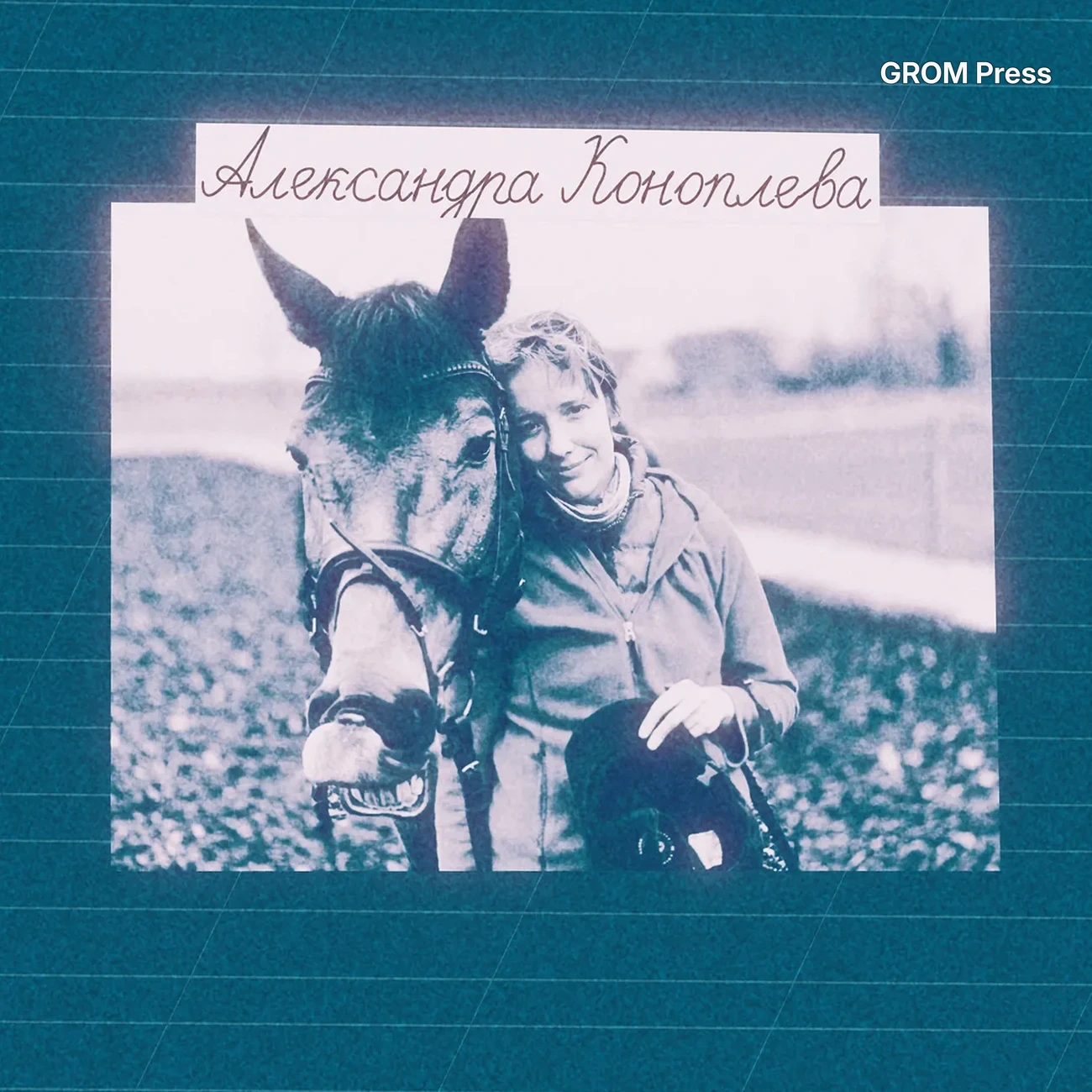
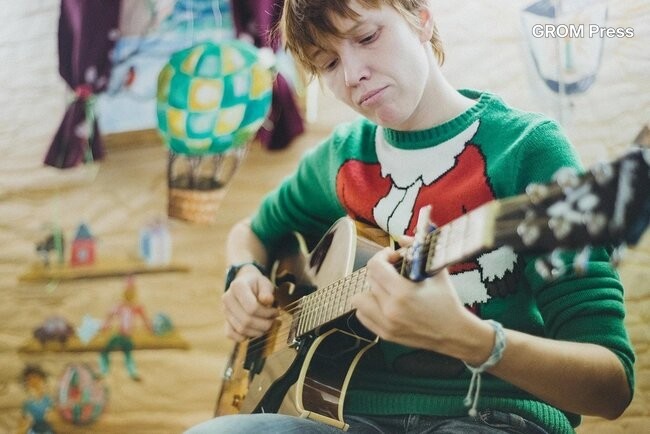
Alexandra Konopleva told an emigrant questionnaire that she moved to Germany almost 14 years ago through the Au Pair programme, initially planning to work as a nanny for one year, learn the language, and then decide whether to stay. She had previously worked with children in Russia as a social pedagogue and psychologist in kindergartens, schools, and summer camps. The host family in Lower Saxony released her from the arrangement, allowing her to remain in Germany. Because her visa was tied to nanny work, she could not take other official employment at first. She volunteered through the Bundesfreiwilligendienst programme, then gained admission to a master's programme in music pedagogy in Hildesheim despite very limited German. She passed a creative entrance exam by performing Scorpions' "Wind of Change" on guitar and nose flute, and was admitted with permission to submit a German language certificate by the end of the year. The master's programme gave her a student visa and later a work permit.
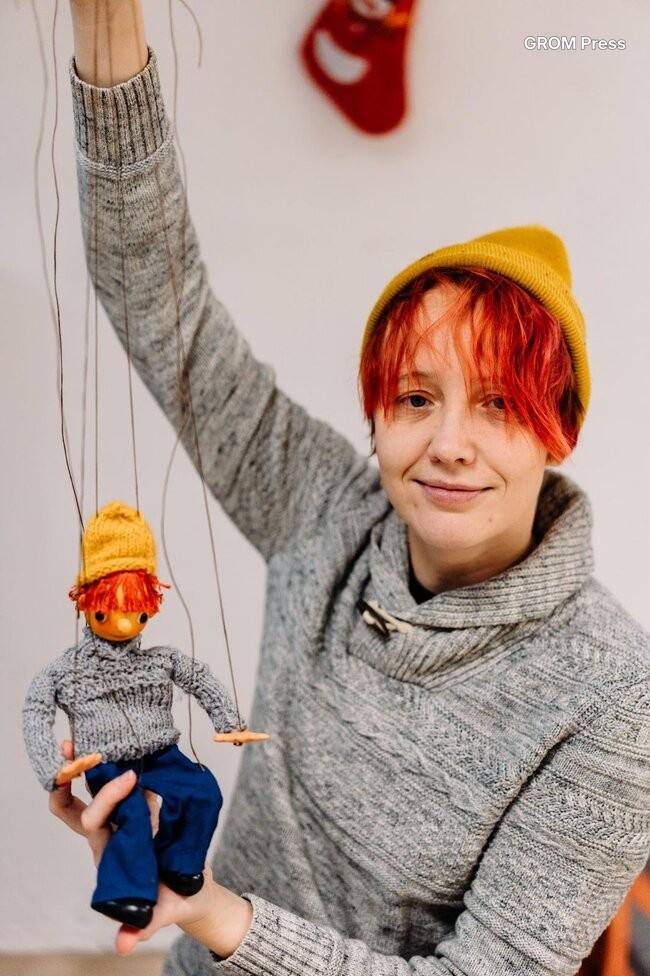
The idea for her non-governmental organisation emerged at the end of her first year in Germany, after she and her partner Polina ran a short-film workshop for children at a Russian-language family festival near Hameln. Families from Hanover told them the city lacked such activities. Konopleva said she noticed that children of Russian-speaking migrants often had no space for their second native language, even speaking German at home. This led to the founding of the educational centre "Chemodan skazok" in Hanover, where classes are held in Russian. In its first year, the centre offered filmmaking, an architecture camp, musical performances, and puppet theatre.
Konopleva said city authorities initially did not understand the project, arguing that migrants should integrate by speaking German. She and her team explained that maintaining a connection to one's culture and language helps children feel calmer and more stable. The centre is now open seven days a week. Toddlers attend in the morning, schoolchildren receive homework help and lunch, and evenings feature a theatre studio, media school, sewing workshop, and weekend masterclasses and camps. More than a thousand children and adults attend classes annually. The centre has the equivalent of two and a half full-time staff and relies on volunteers and part-time teachers who receive small payments. Konopleva said she constantly seeks grants and donations, and the centre currently accepts volunteers from other countries, including through the Bundesfreiwilligendienst programme.
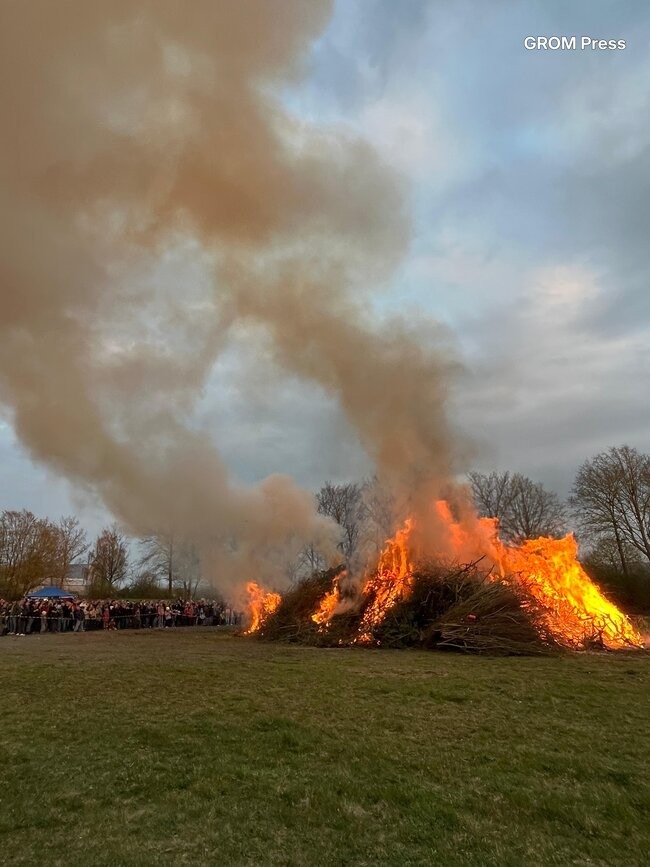
Beyond her work, Konopleva is a volunteer firefighter. She completed a free introductory course lasting three weeks, with evening sessions and full weekend days, followed by a short test on fire engines, equipment, and team roles. She said she can respond to call-outs but lacks the qualification to enter a burning building. Her tasks include connecting hoses, calming bystanders, bringing or carrying items, and providing first aid. The fire brigade is called not only to fires but also to car accidents and other incidents.
Konopleva is also a member of Hanover's youth policy city council. She described the discussions as slow and bogged down in definitional debates, sometimes lasting months before participants agree on terminology. She said she finds this difficult, as well as neighbours frequently reporting one another and Germans being cautious toward anything new.
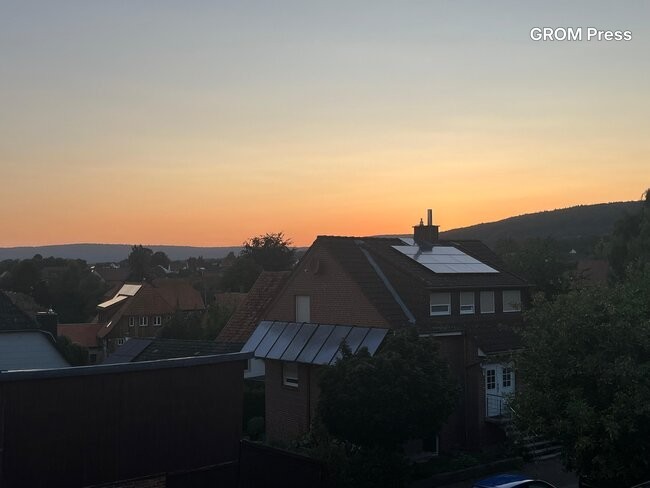
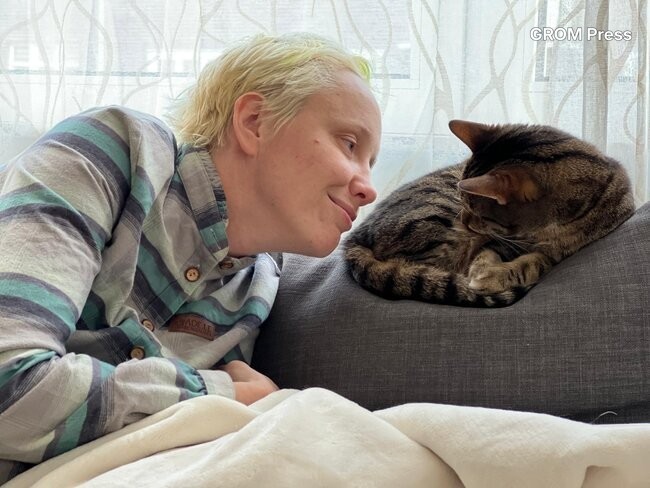
She received German citizenship this year. She said it was important to keep her Russian passport, and dual citizenship was permitted only a year ago, after which she immediately applied. She described her salary as low, roughly half of what someone in a comparable position earns in Germany, and said she does not actively manage her financial problems because she loves her work and spends little. Her main expenses are her cat and travel. She moved from Hanover to a small village about a year ago, where she now has inexpensive housing but a forty-minute drive to work. The village has a population of three thousand, one shop, one bakery, a funeral agency, and a fountain. She said she has grown to love the village's quiet and is considering a move to a larger city, possibly Hamburg, which would mean a one-and-a-half-hour drive to work.
Konopleva said she learned German quickly without courses, simply by working and surviving. She recently appeared in a 25-minute television feature about her centre on a channel covering non-governmental organisations. She said she was afraid of making language mistakes on air, but the response was positive, including from German acquaintances who found nothing to criticise. She also completed a free online documentary film school and made a short film about bilingual teenagers, which was shown at a couple of local festivals. She finished writing a book, originally in Russian and later translated into German, about two cousins growing up in the early 1990s and the love stereotypes passed down by older relatives. She said she has not made close new friends in Germany, mostly seeing old friends from Russia, including those who also emigrated, and that her German acquaintances remain acquaintances rather than friends because of mentality differences, especially with people from northern Germany.








Comments
No replies yet. Start the discussion.
Sign in to reply