
Al-Qaeda and Islamic State fight secret war in Africa's Sahel
Fighting between al-Qaeda affiliate Jamaat Nusrat al-Islam wal-Muslimin and Islamic State has intensified in the Liptako-Gourma region where Mali, Burkina Faso and Niger meet, according to Financial Times reporting. Clashes began in early September 2026 and have involved at least two major battles with several hundred fighters on each side. Analysts say the rivalry is strengthening both groups against national militaries, though the outcome remains unclear.
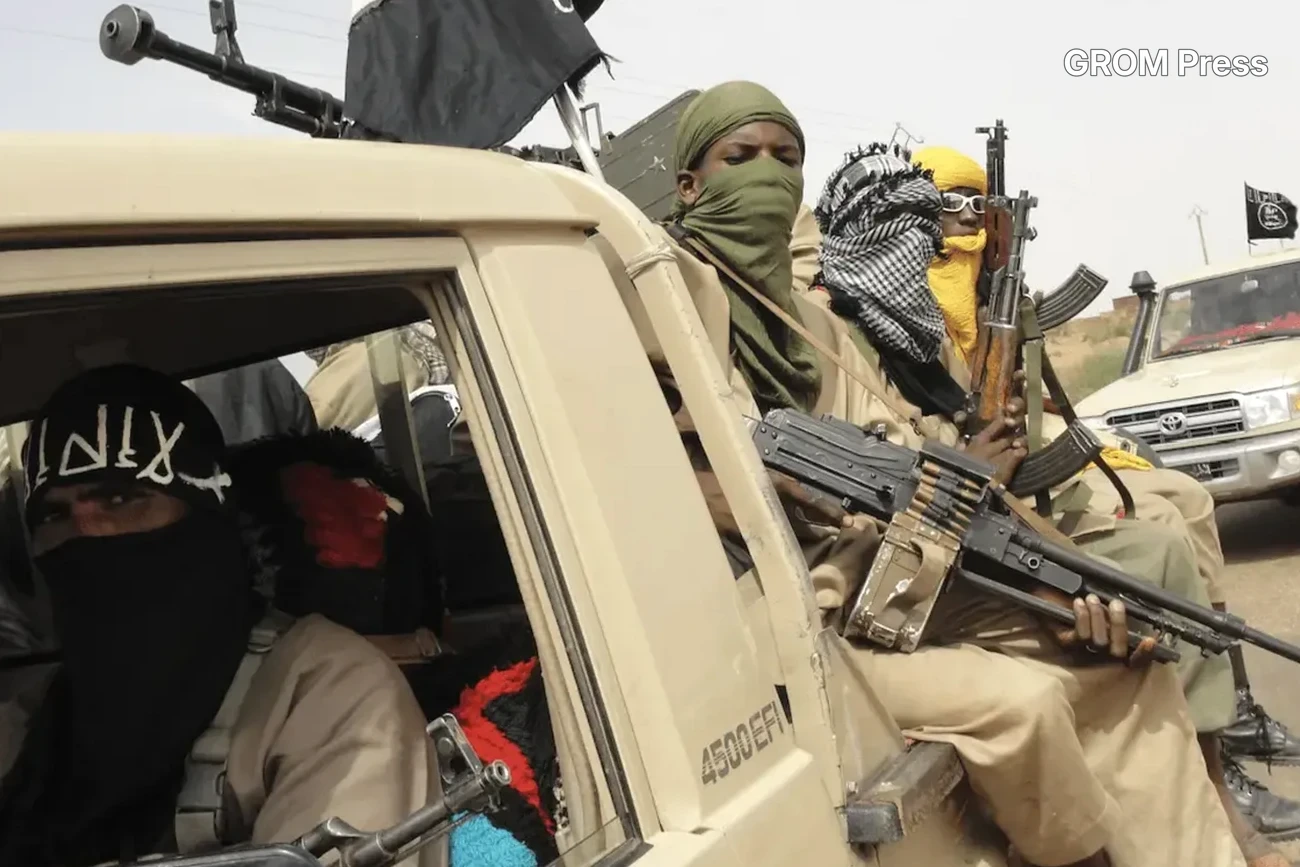
Fighters from al-Qaeda and Islamic State have been engaged in intense combat across Africa's Sahel region for three months, according to reporting by the Financial Times. The main confrontation is between Islamic State and Jamaat Nusrat al-Islam wal-Muslimin, which is considered an al-Qaeda affiliate. Both groups have seized territory in Mali, Burkina Faso and Niger in recent years, where military governments hold power. The new clashes are concentrated in the Liptako-Gourma region, where the borders of the three countries converge.
The fighting began in early September 2026. Since then, at least two major battles have taken place, each involving several hundred fighters on both sides. Almost nothing is known about what happened, and material appearing online consists mainly of Islamic State propaganda claiming victories, which remains unconfirmed. Analysts say it is still unclear who won the recent battles.
Neither organization shows signs of exhaustion. Both have significant military funds built up through large ransoms paid for hostages. According to UN data, Jamaat finances other al-Qaeda branches and received about 50 million dollars for one hostage in 2025. Islamic State has also received large payments for Western hostages in recent months.
Experts say the war between the two groups has led them to compete for new recruits and resources, which overall strengthens both organizations compared with the armed forces of the three countries, against which they are also fighting. Heni Nsaibia, a West Africa expert at conflict monitoring organization ACLED, said this struggle contributed to their growth rather than weakening them. In his view, the rivalry pushes the groups toward further mobilization, more recruits, further expansion and ultimately sharper competition.
Al-Qaeda has operated in the region for about 20 years, first fighting French troops that supported the former governments of the Sahel states, and then the military regimes of the three countries, which are supported by Russia, including through mercenaries. Islamic State began operating independently in the region about 10 years ago after splitting from another Islamist group.
Jamaat has more fighters than Islamic State in the region. Expert estimates put Jamaat's membership at several thousand people across seven countries. Historically, Islamic State fighters have used hit-and-run tactics against the enemy, disappearing as soon as the larger group receives reinforcements.
The rivalry also has an ideological dimension. Jamaat, which seeks to destabilize Mali and overthrow the military juntas in the Sahel countries, tries to win the support of local residents, cooperates with non-Islamist groups, and even releases propaganda materials in French, which Islamists long avoided. Islamic State, by contrast, spares no local residents because it does not need their support, rejects negotiations, and seeks to establish its own caliphate solely through violence. Islamic State considers Jamaat fighters apostates.
Both groups view the struggle in the Sahel as a conflict in which the winner will either destroy the opponent or completely absorb it. Wassim Nasr, an expert on both terrorist organizations at the Soufan Center in New York, said they want to devour each other. He added that if Islamic State wins, the situation for the countries of the region will change fundamentally, and if Jamaat strengthens its positions, it will pose an even greater military and political challenge. Sahel countries and their southern neighbors must prepare for both scenarios, according to Nasr.


Comments
No replies yet. Start the discussion.
Sign in to reply