
Raspberry Pi 5 price hike makes older models a cheaper alternative
Raspberry Pi CEO Eben Upton announced an $80 price increase for the 16GB Raspberry Pi 5 in early November 2026, bringing it to $385. Lower-capacity Pi 5 models also rose in price earlier in 2026. The article argues that the Raspberry Pi 4 remains a capable and cheaper option for self-hosting, home automation and robotics, with lower power and cooling needs, while used Pi 4 and 3B+ boards are widely available below retail.
Raspberry Pi CEO Eben Upton announced in early November 2026 that the 16GB variant of the Raspberry Pi 5 would rise by $80 to $385. The 2GB, 4GB and 8GB models had already seen price increases earlier in 2026. Upton described the increases as a difficult but temporary phase and committed to lowering prices when memory costs fall. Memory manufacturers have warned that supply shortages could extend into 2028 and beyond.
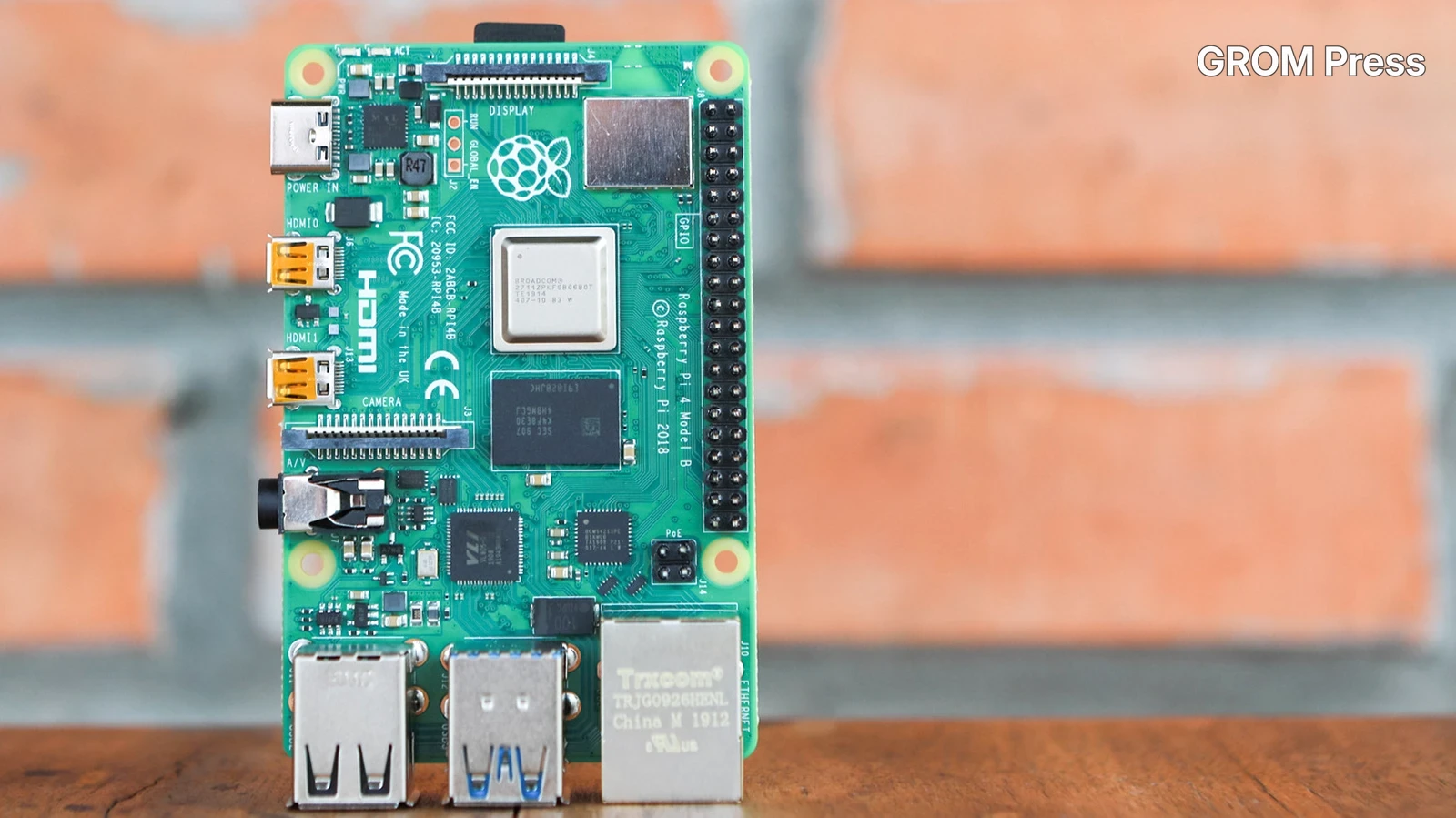
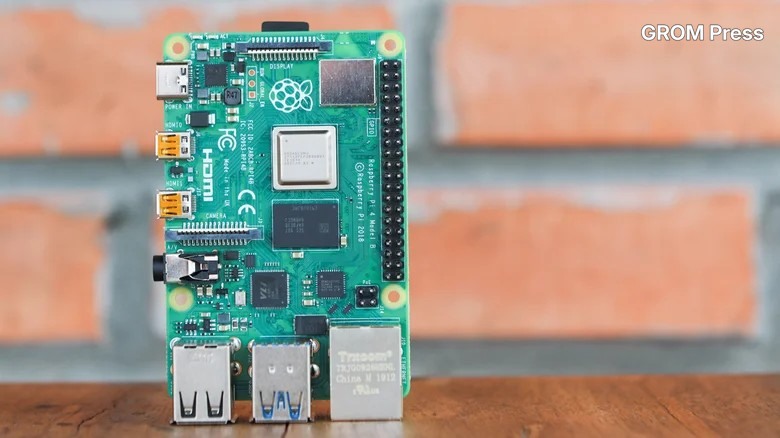
The article states that the Raspberry Pi 5 is more than twice as powerful as the Raspberry Pi 4, but that difference is mainly noticeable when the board is used as a sole computer. For self-hosting, home automation or robotics, the Pi 4 is unlikely to feel lacking. The Pi 4's official starting price is $35 for the 1GB model, unchanged from the original Raspberry Pi released in 2012. Higher-end Pi 4 models have also risen substantially over the past year or so, but they remain slightly cheaper than the Pi 5 and more widely available.
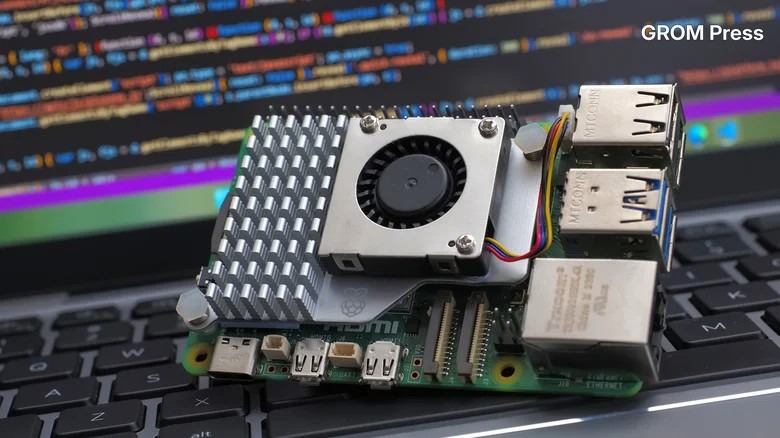
Power and cooling requirements differ between the models. The Pi 4 needs a 15W USB adapter, while the Pi 5 requires a 27W USB-C PD adapter. The Pi 4 runs cooler and can use a cheap passive aluminum heatsink in most projects. The Pi 5 exceeds 176 degrees Fahrenheit, or 80 degrees Celsius, after a minute of heavy load and throttles the CPU without a cooling fan. Factoring in the power adapter and cooling hardware makes the Pi 5 more expensive than its starting price suggests.
Availability is another advantage for older models. Many official retailers cannot keep affordable Pi 5 models in stock, while Pi 4 and 3B+ boards can be bought without waiting for a restock. The $35 Pi 4 is available at Micro Center locations in the United States, whereas the base-model Pi 5 must be ordered online with shipping. The used market is flooded with older Pi 4 boards as people upgrade to newer models or more powerful computers. Listings on Facebook Marketplace often include power supplies, cases and accessories at prices below retail. The article notes that Raspberry Pi boards have no moving parts and are typically used for lightweight loads, so a used board can last several years or even a decade.
The article concludes that the Pi 5 is the more future-proof option for those willing to pay the extra initial cost and hunt for stock, particularly the 1GB and 2GB variants, which are only slightly more expensive than the Pi 4. Whether those variants work depends on how much RAM the buyer needs.



Comments
No replies yet. Start the discussion.
Sign in to reply