
Chess.com launches Classic Games hub with 10 new titles and AI-assisted development
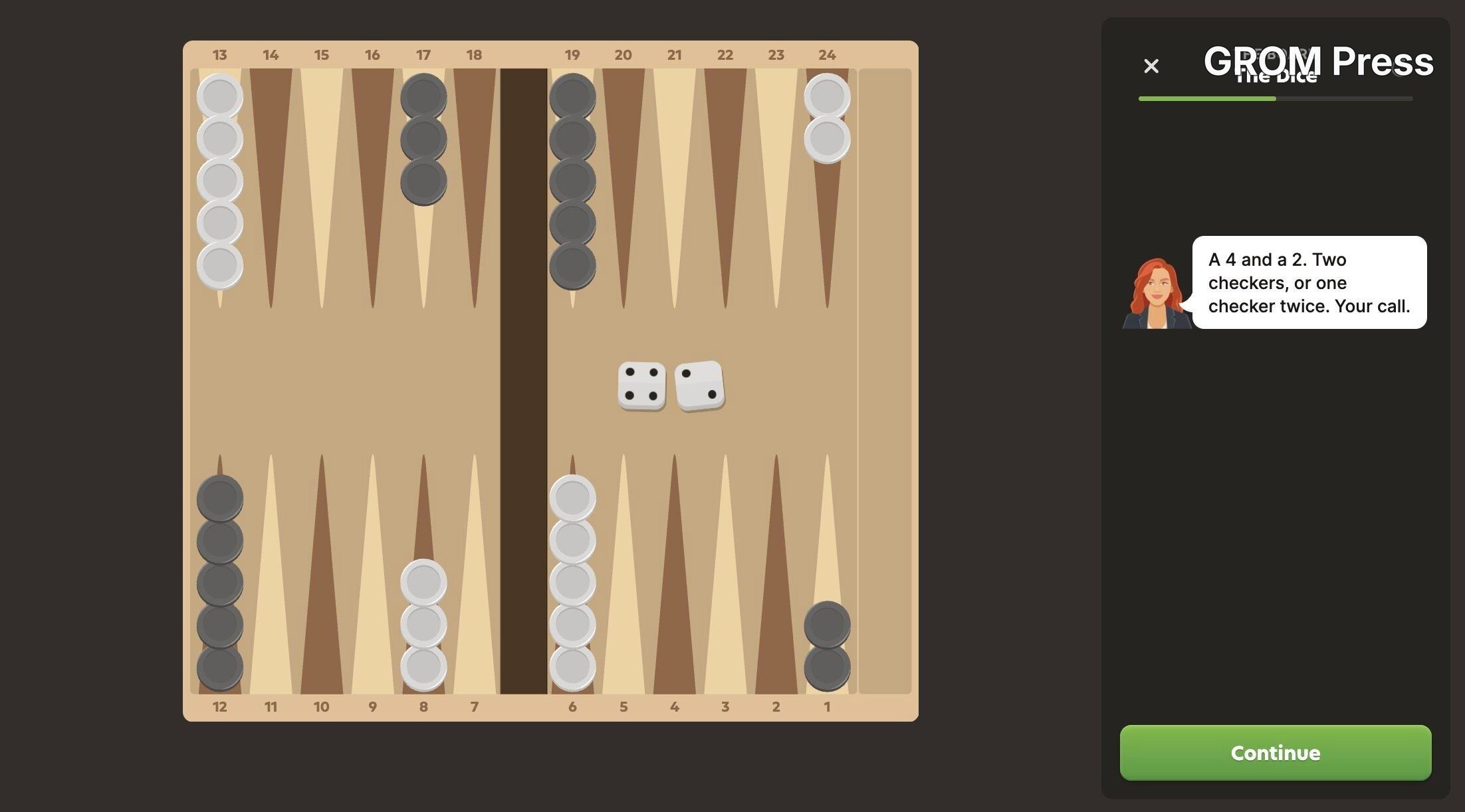
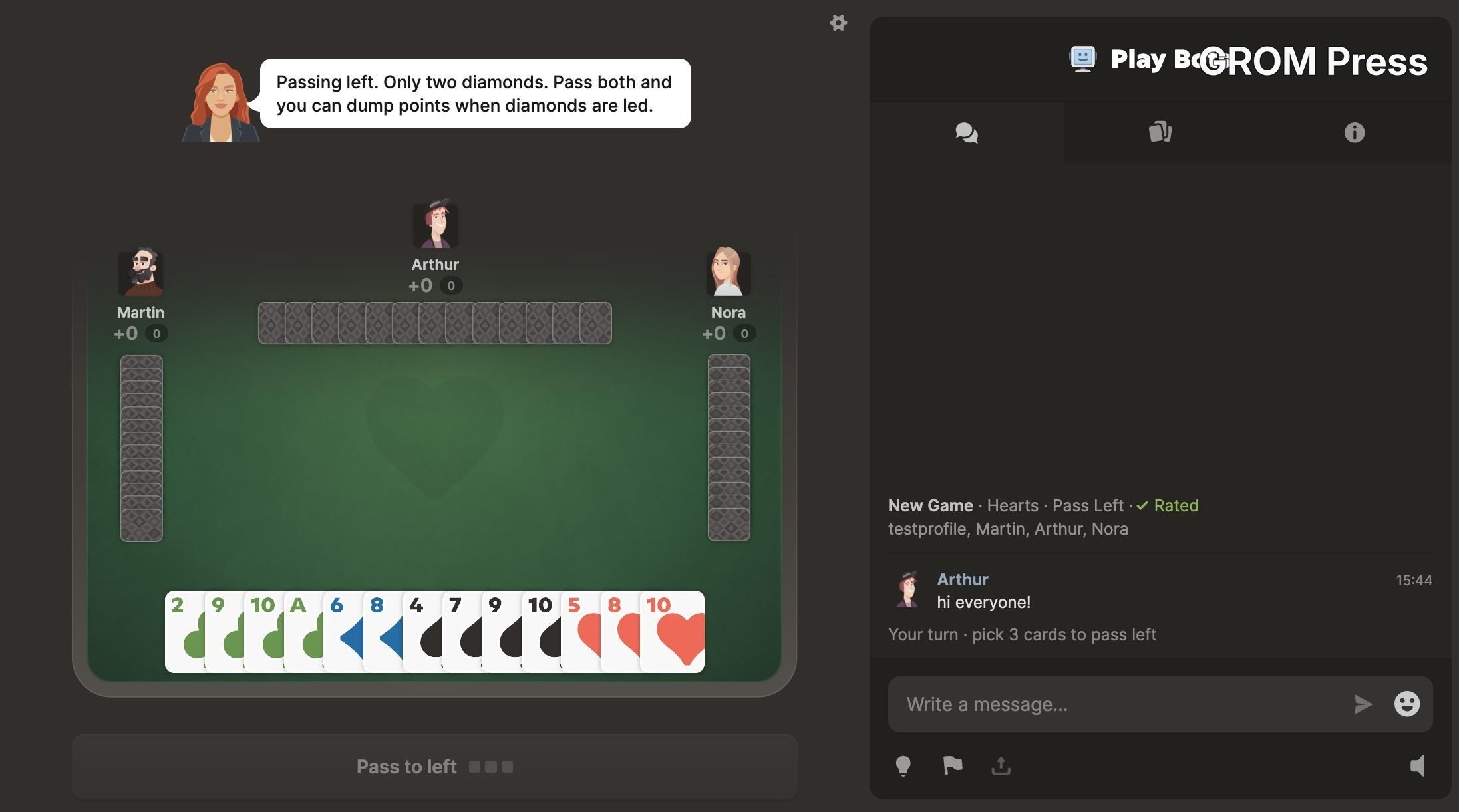
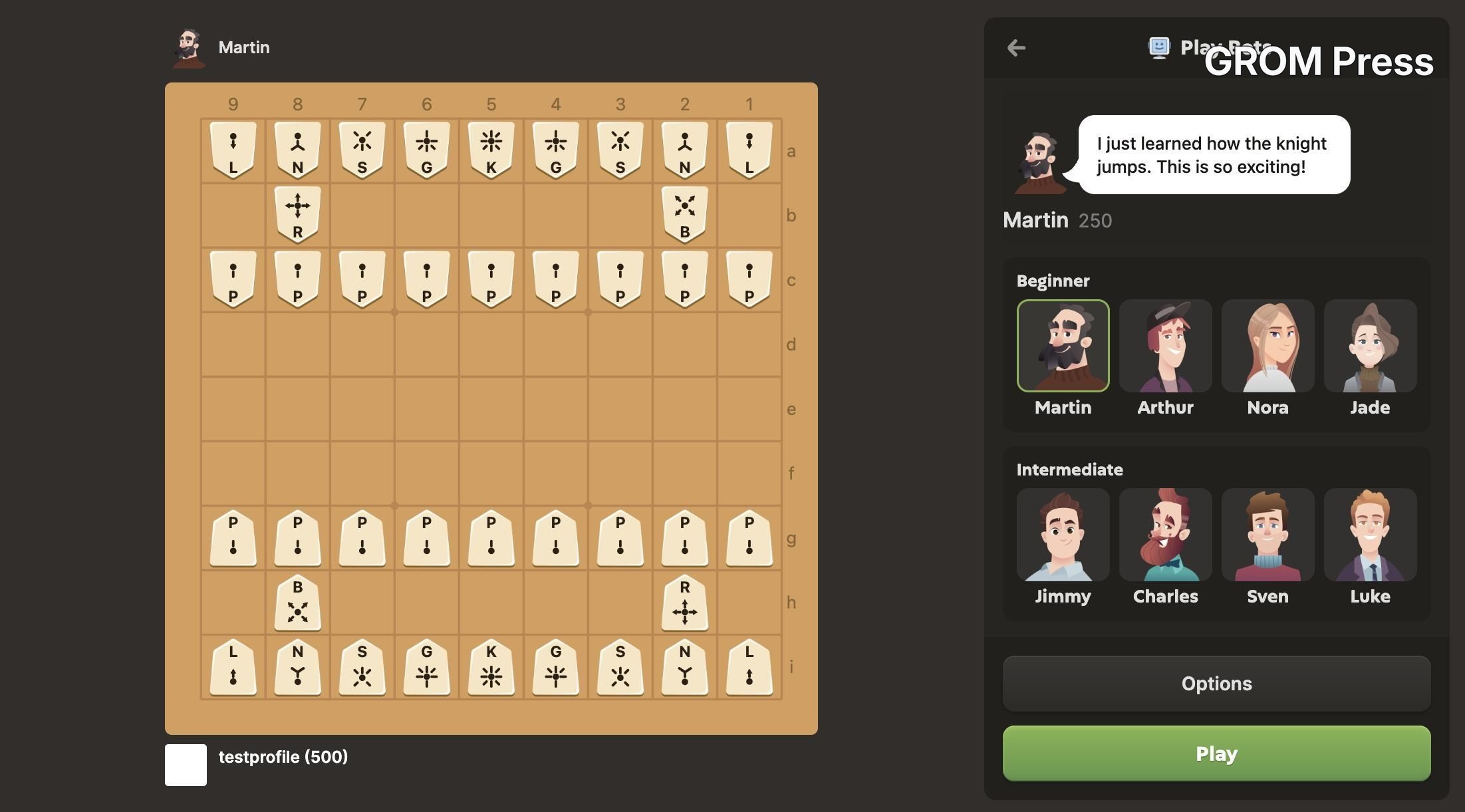
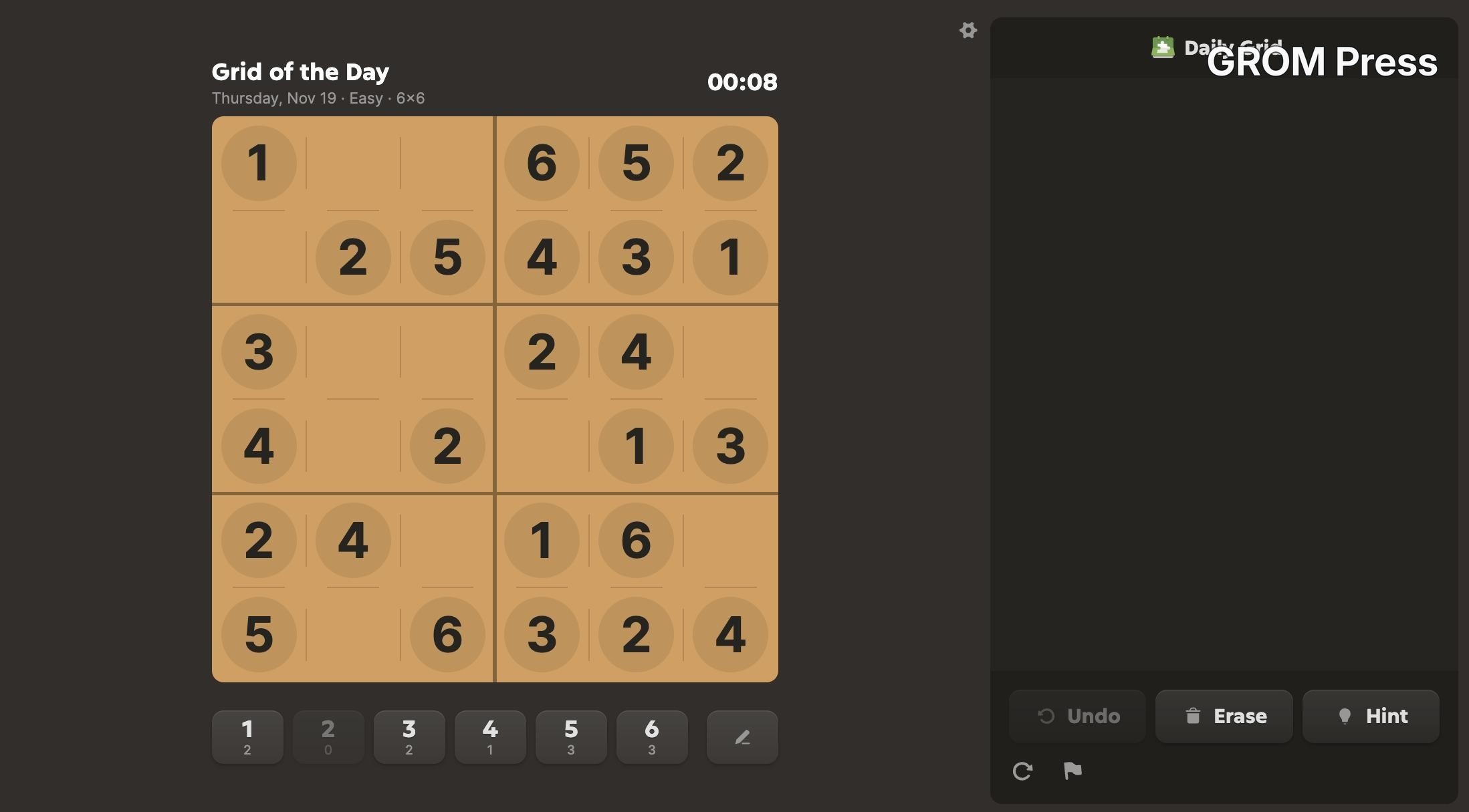
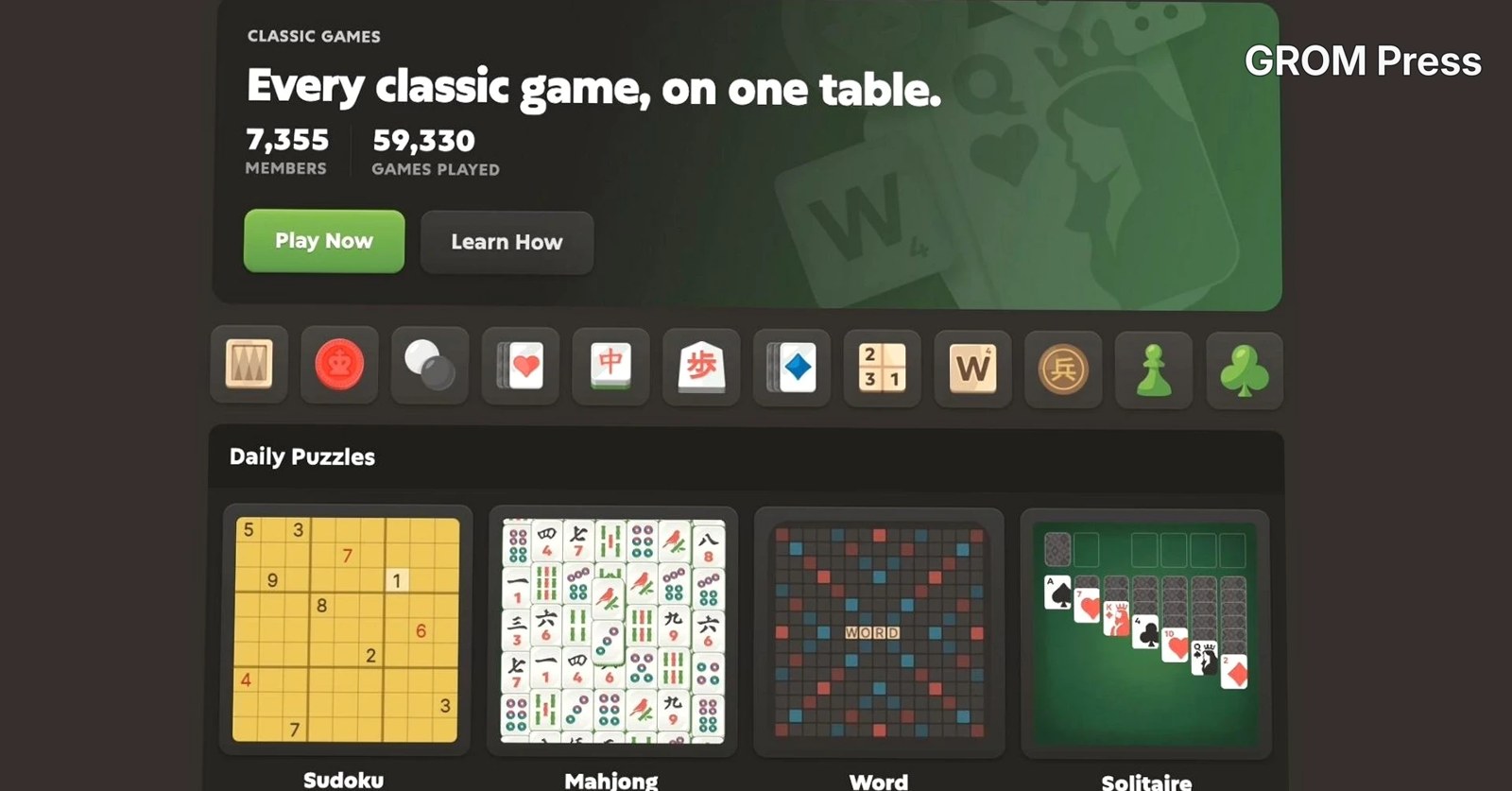
Chess.com is launching a public beta of Classic Games on Saturday, adding backgammon, checkers, go, hearts, mahjong, shogi, sudoku, solitaire, xiangqi, and word to its platform on the web and new iOS and Android apps. Chief growth officer Albert Cheng told The Verge the hub uses lessons, leaderboards, ratings, bots, and AI-assisted coding, while art and design remain human-made. Chess.com says daily active users are at an all-time high and chess remains its primary focus.
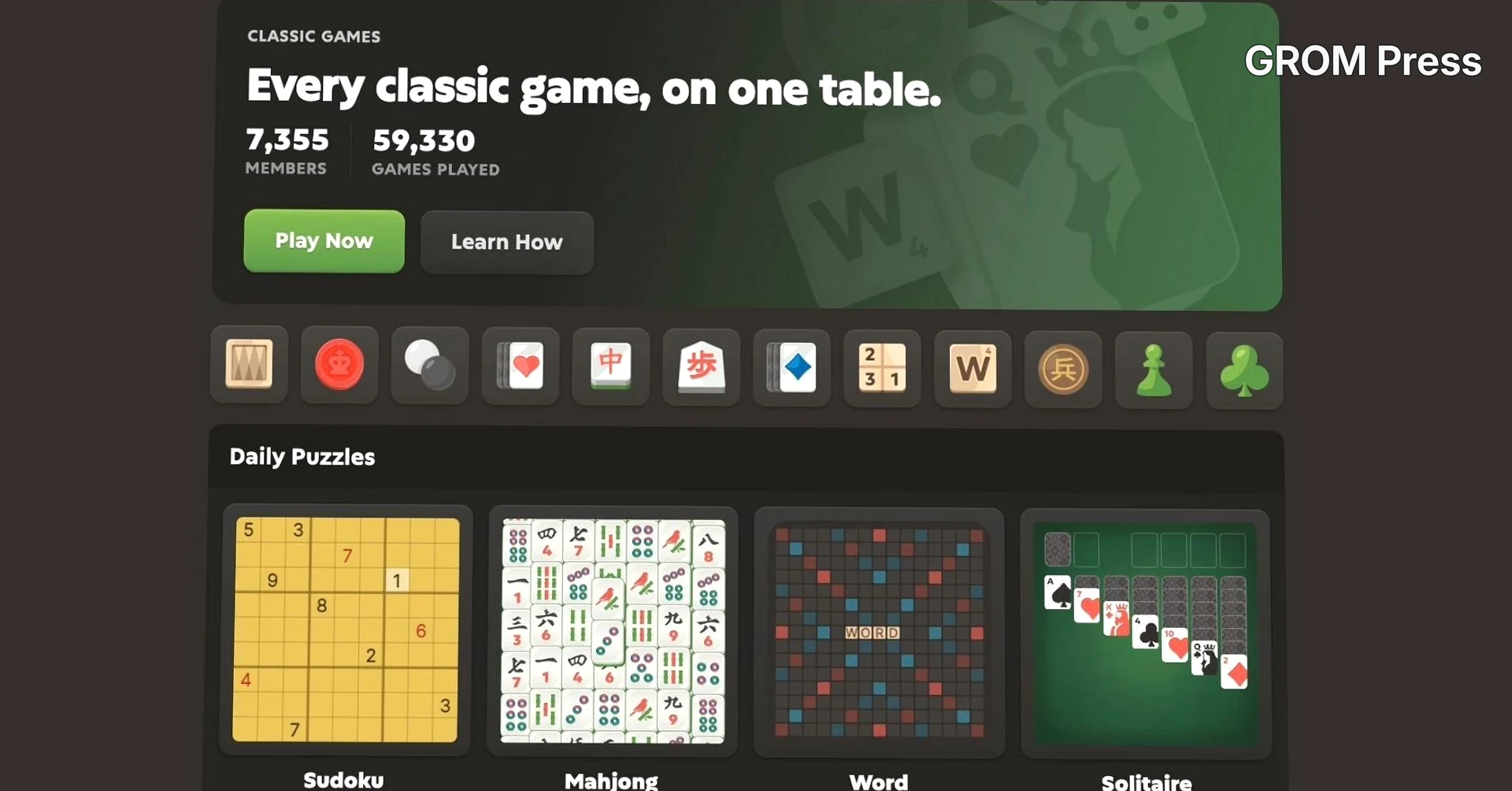
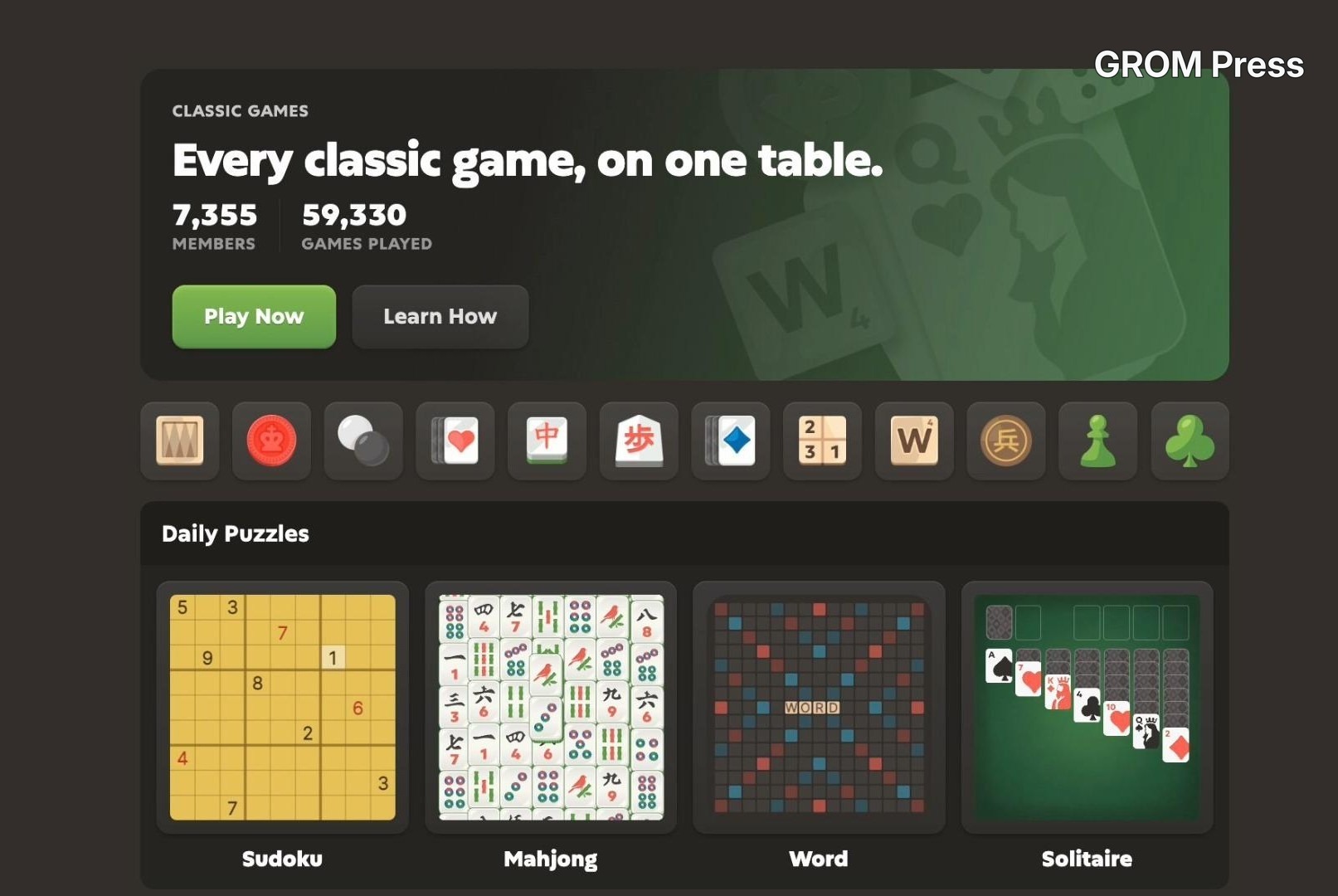
Chess.com is expanding beyond chess with a new Classic Games platform, launching its public beta on Saturday on the web and through new iOS and Android apps. The hub adds ten games: backgammon, checkers, go, hearts, mahjong, shogi, sudoku, solitaire, xiangqi, and word, a Scrabble alternative. This follows the earlier launch of Gambit, a gambling-free poker site, earlier this year.
Chief growth officer Albert Cheng told The Verge that the idea came from community feedback, with people describing regular mahjong nights or go meetups and saying they lacked a Chess.com equivalent for those games. Chess.com has nearly 300 million members, and Cheng said that kind of community growth has not happened for many other classic games.
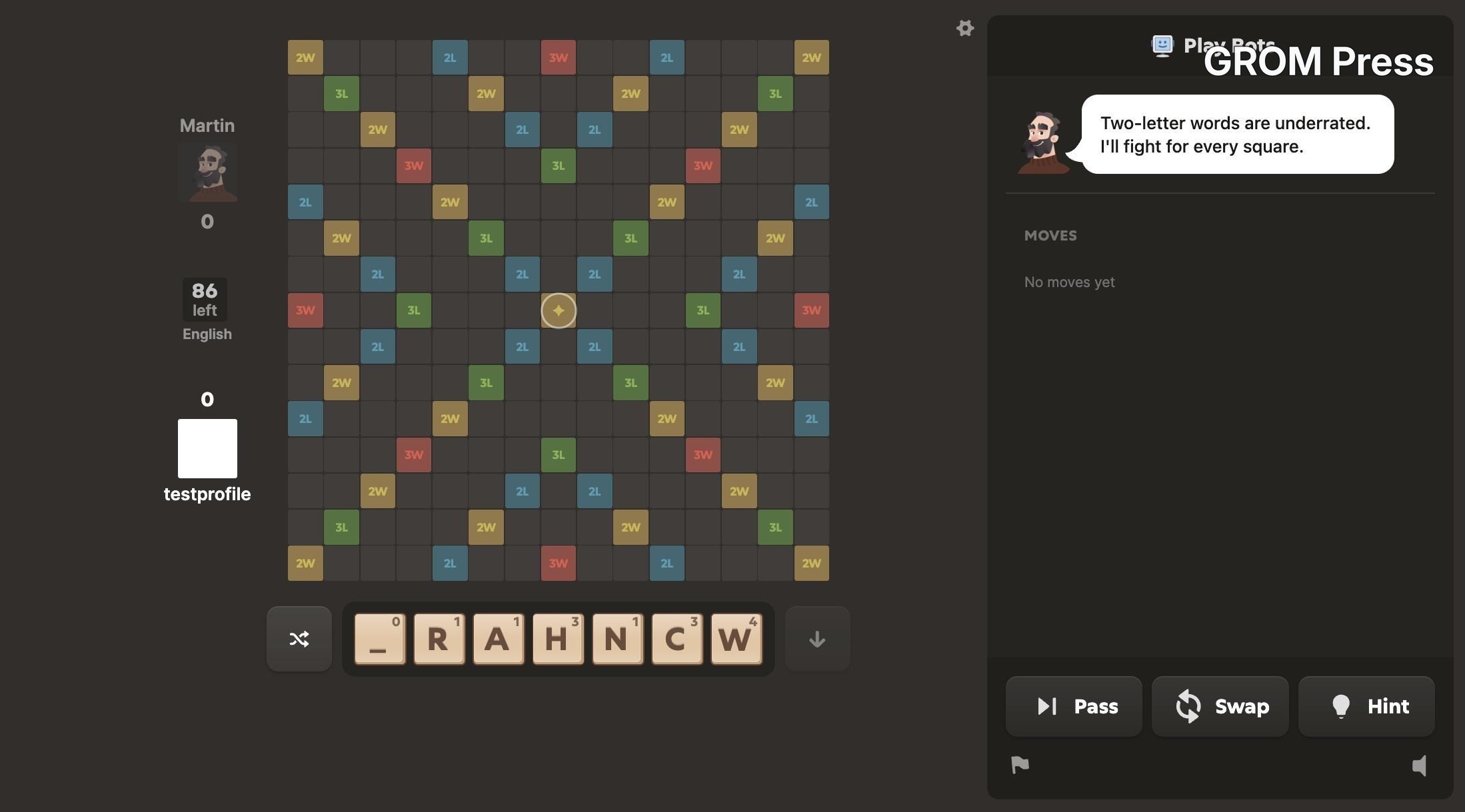
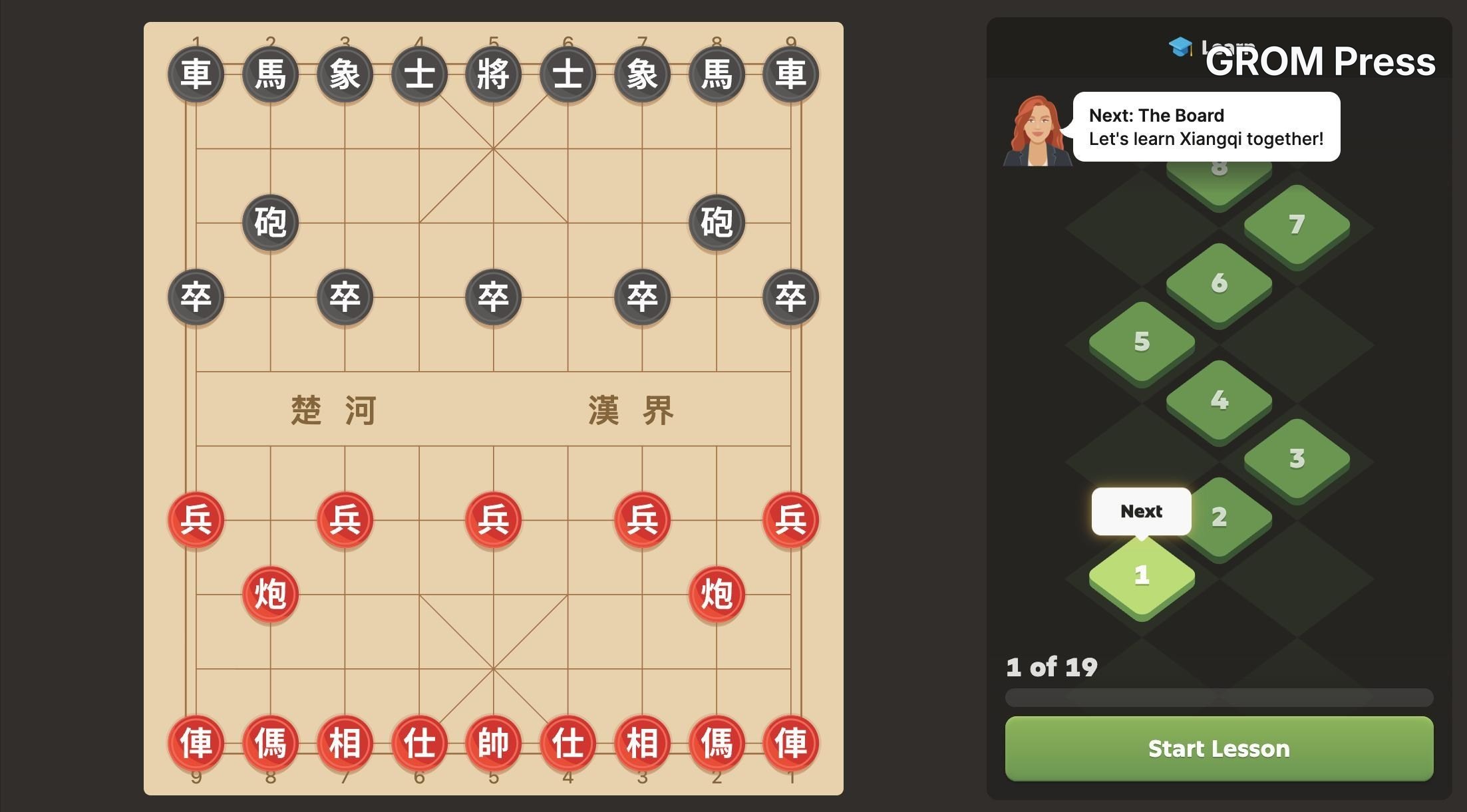
Each game on Classic Games includes lessons, leaderboards, and a rating system. Multiplayer titles such as checkers and mahjong offer matches against other players or bots, using the same bot characters found on Chess.com and Gambit. Martin remains the lowest-rated bot across all platforms. Play modes vary by game: word and mahjong have puzzles similar to chess, sudoku offers daily grids, and solitaire has daily deals.
Cheng said Chess.com is not deprioritizing its core product. He described chess as more present in the public zeitgeist than ever during his time at the company and said daily active users are higher than at any point in the company’s history. He declined to provide an exact daily user figure but said the site is doing amazingly well. Chess remains the primary focus, with less than one percent of the company fully dedicated to building new games.
AI played a key role in launching the 11 new games within months using a team of only a few people. Cheng said the team used almost entirely the same AI-assisted coding approach as with Gambit, helping speed up development. Because the games are built on the Chess.com code base, design system, bot characters, and rating systems, the company can bring games to market quickly with a small team. Cheng said AI was not used for art and design, which he described as carefully crafted by humans. The company is hiring more people for art and design as the creative side becomes more important.
Cheng linked Chess.com’s comfort with AI to the long history of humans playing and learning alongside machines in chess, referencing Garry Kasparov’s 1996 match against IBM’s Deep Blue. He noted that the idea of AI being powerful at chess was embedded in the cofounders’ thinking even before the company was founded 20 years ago.
Chess.com may add a lot more games in the future, according to Cheng. He did not specify which titles or provide a timeline for further expansion.





Comments
No replies yet. Start the discussion.
Sign in to reply