
Xiaomi 18 Pro review: rear screen offers little beyond selfies
The Verge tested the Xiaomi 18 Pro and 18 Pro Max after one to two weeks of use. The rear display’s main practical use is as a viewfinder for selfies with the main cameras. Other functions, including notifications and AI-generated mini-apps, are limited. Prices start at £1,199 for the Pro and £1,399 for the Pro Max in the UK and Europe.
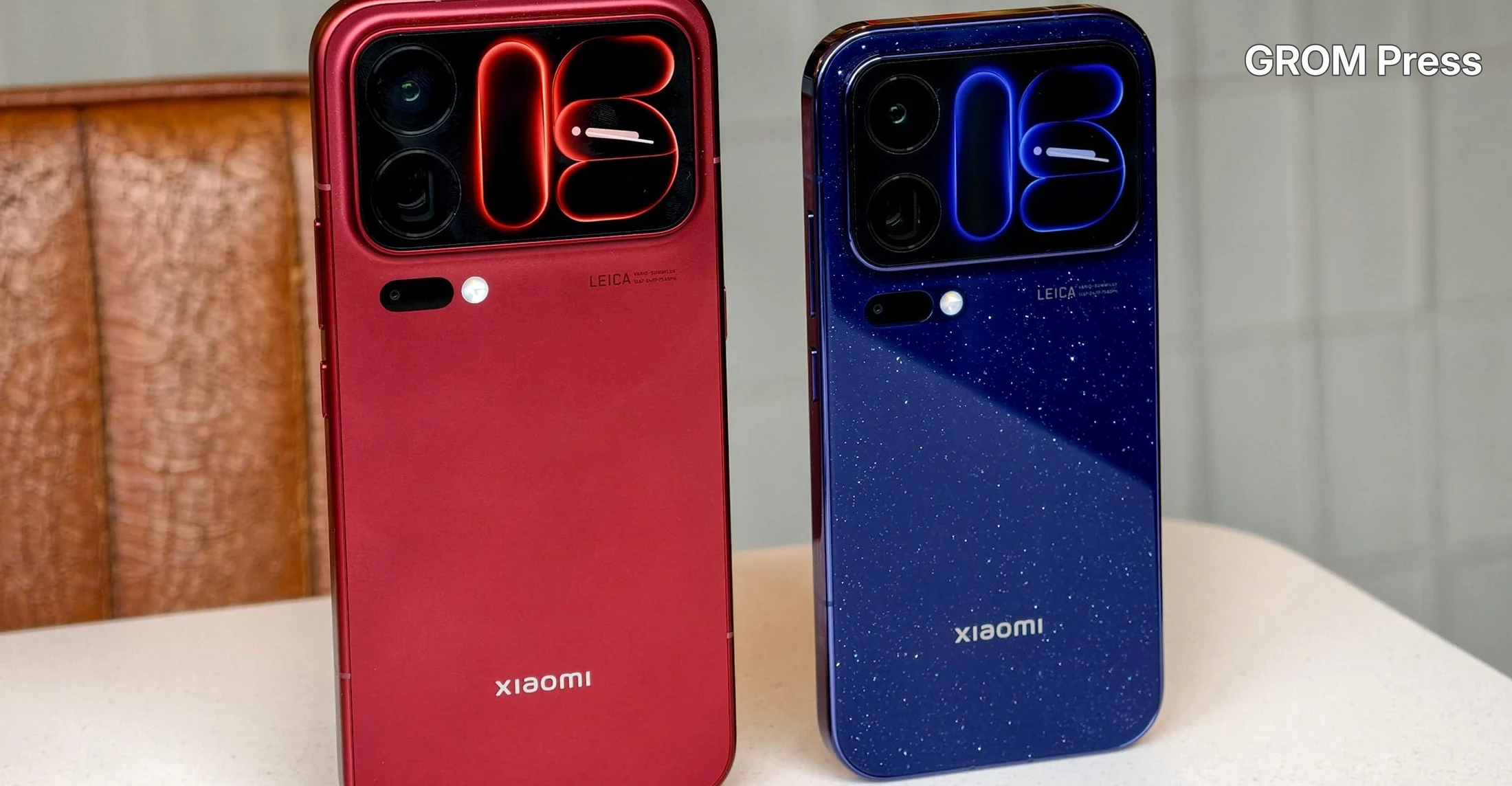
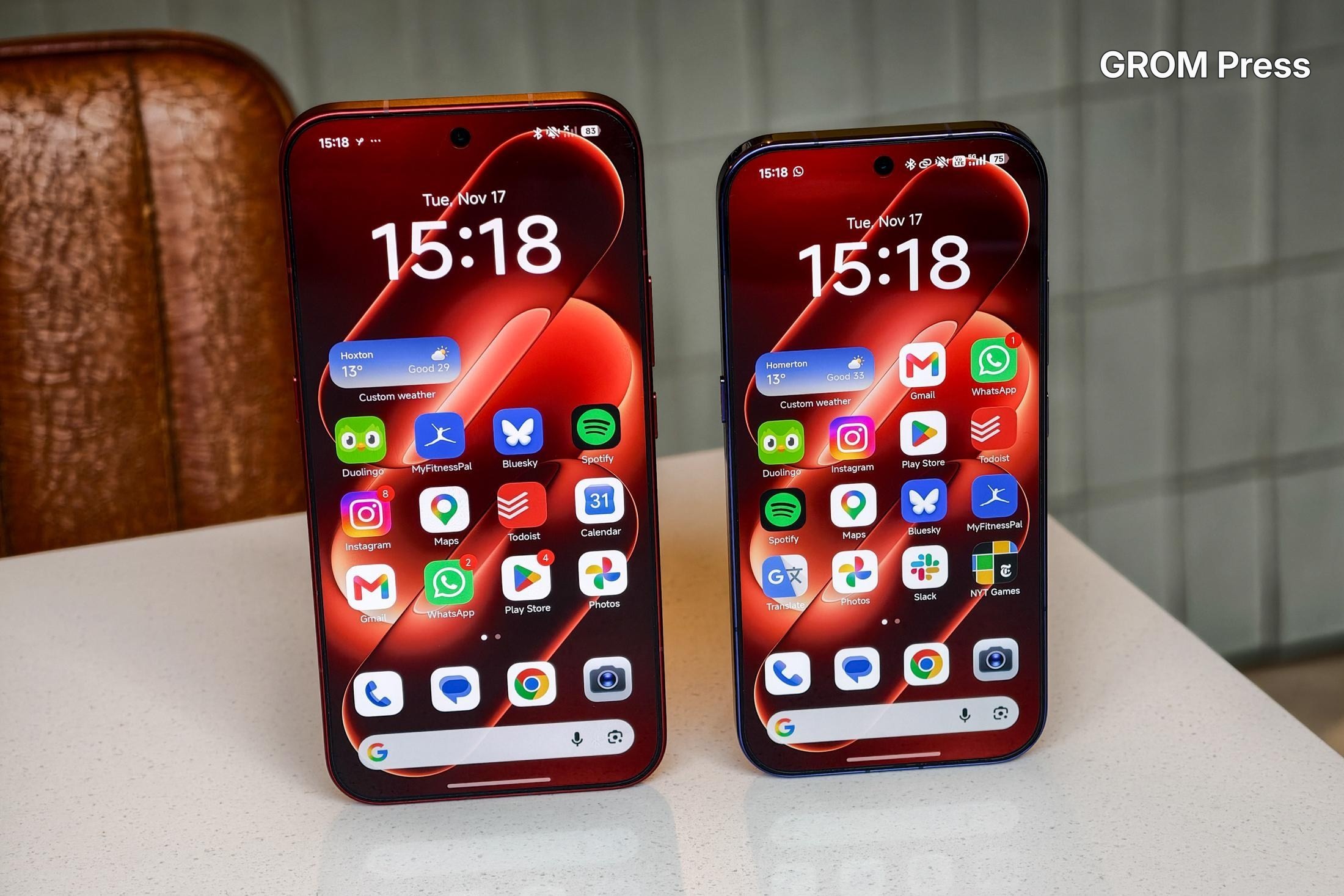
The Verge published a review of the Xiaomi 18 Pro and 18 Pro Max, the first Xiaomi Pro flagships with a rear display to be available outside China after the 17 Pro models remained China-only. The reviewer spent one to two weeks with both phones and concluded that the second screen is not clearly worth the added cost.
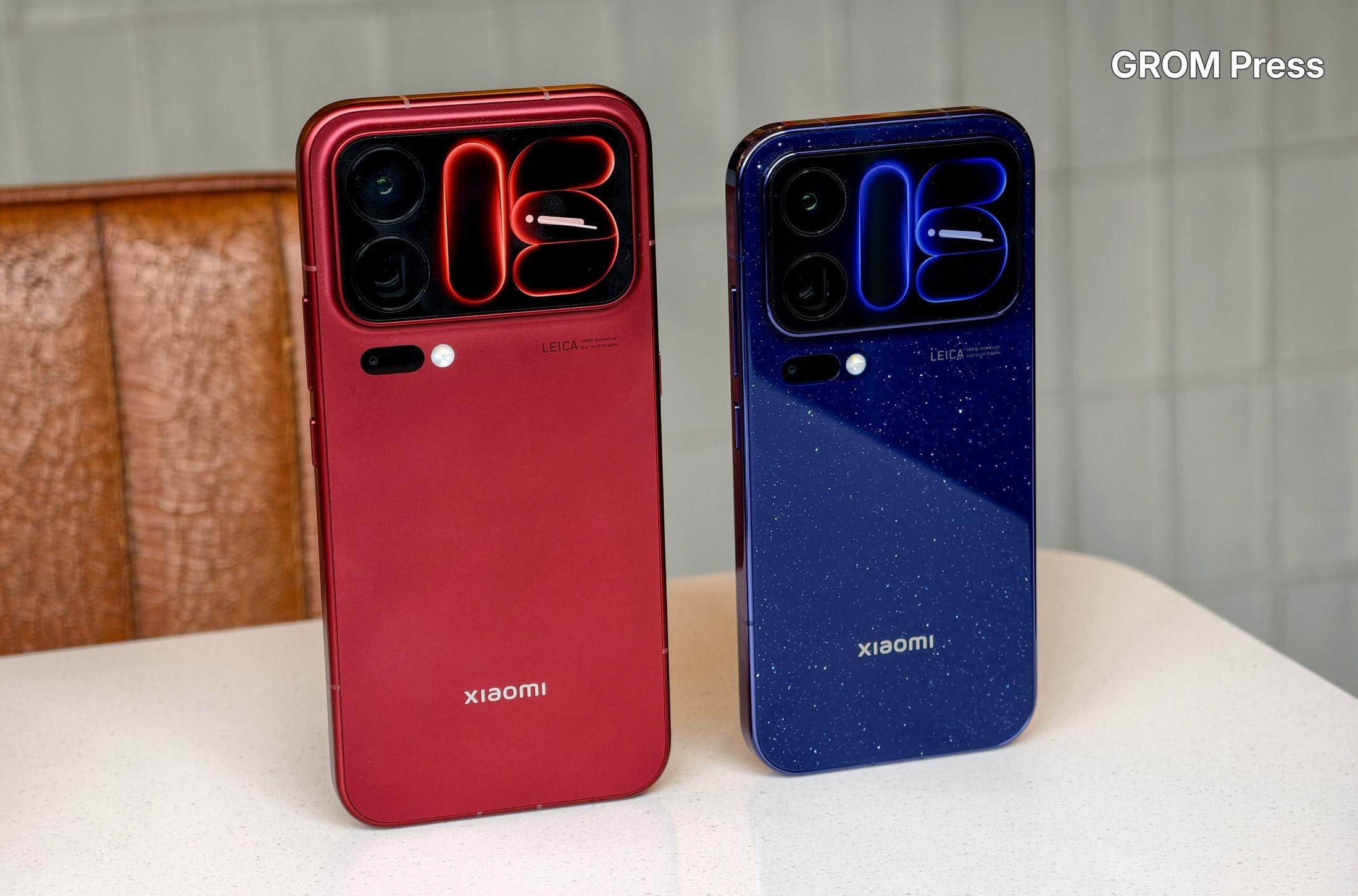
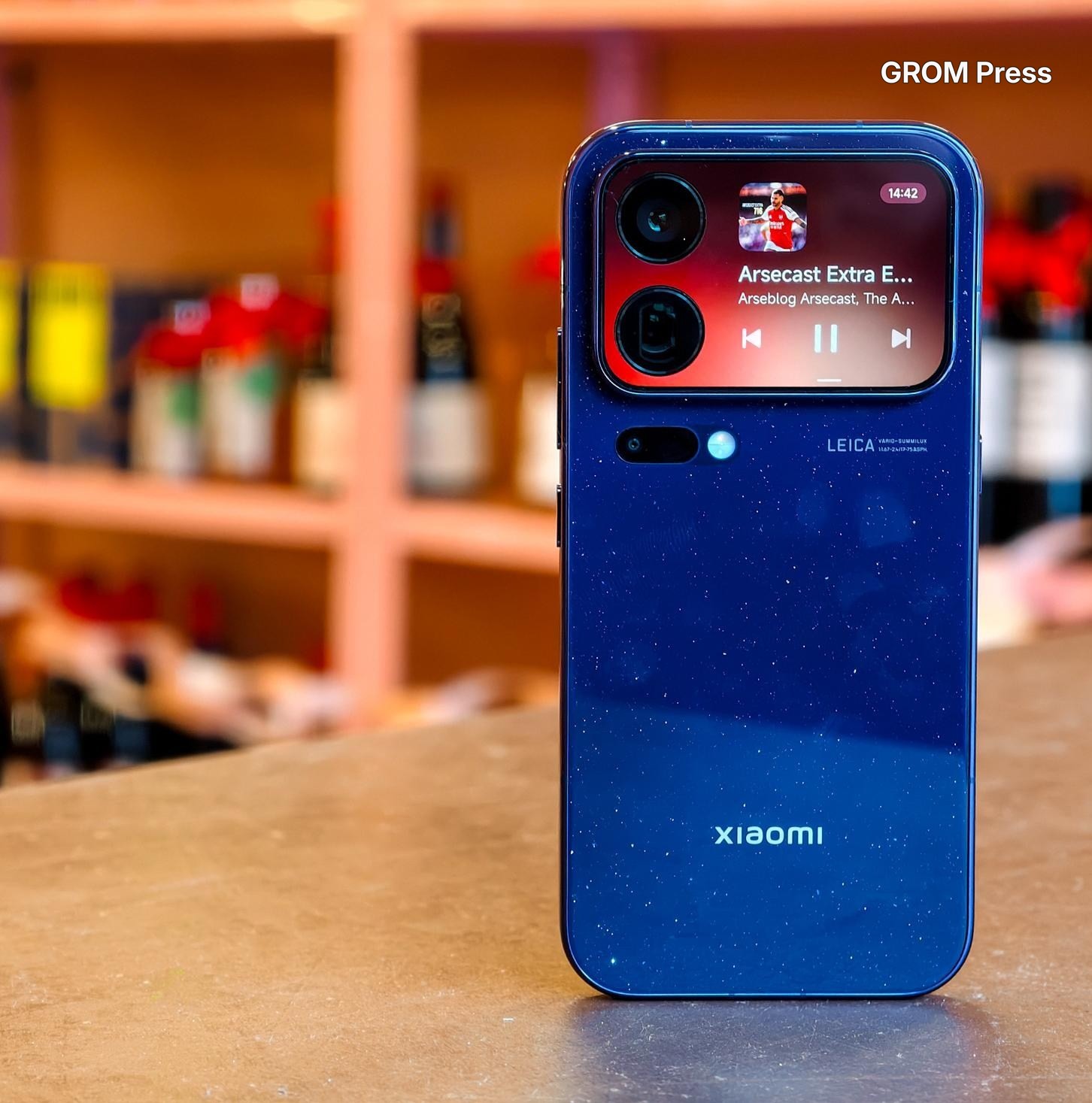
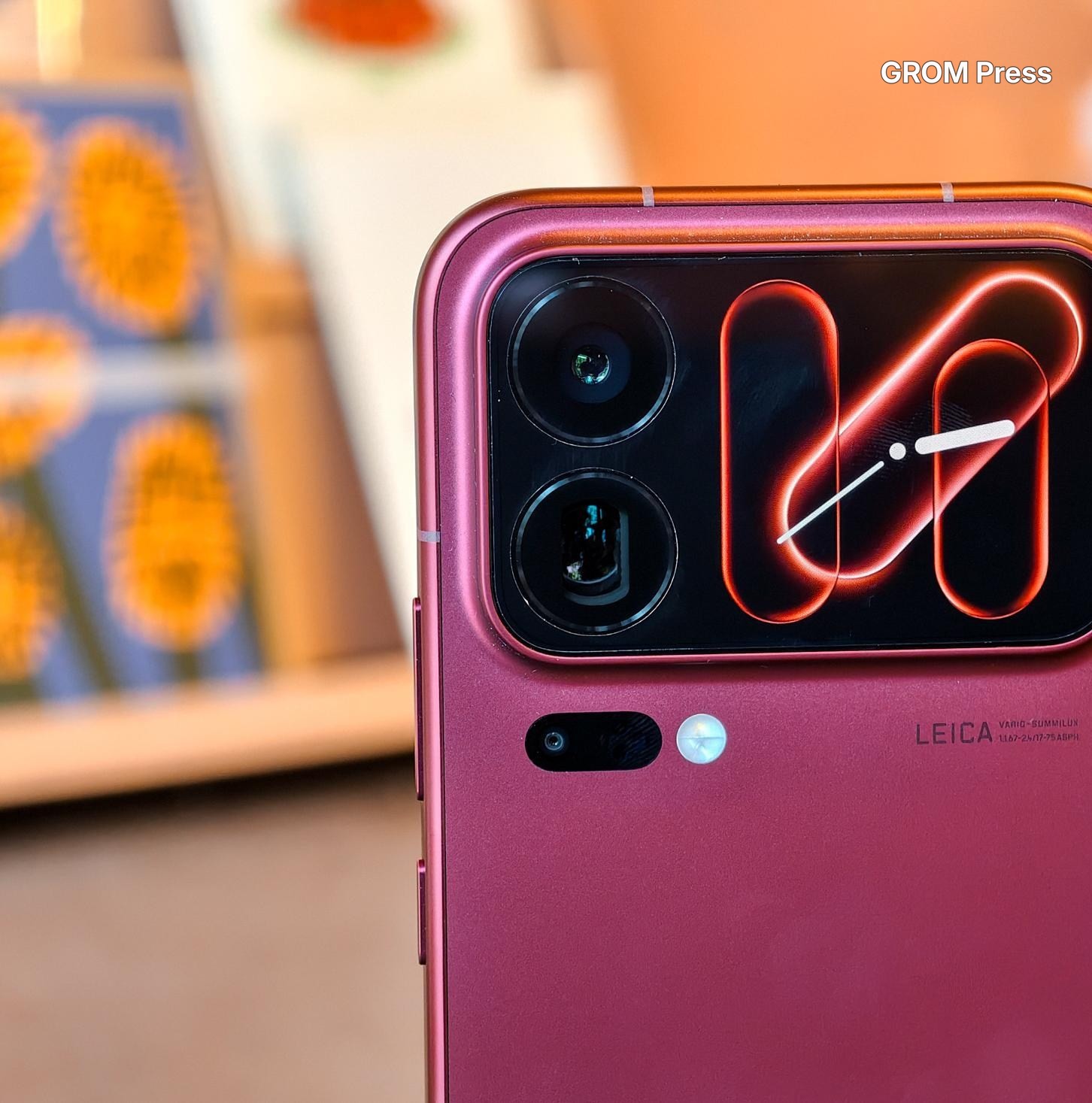
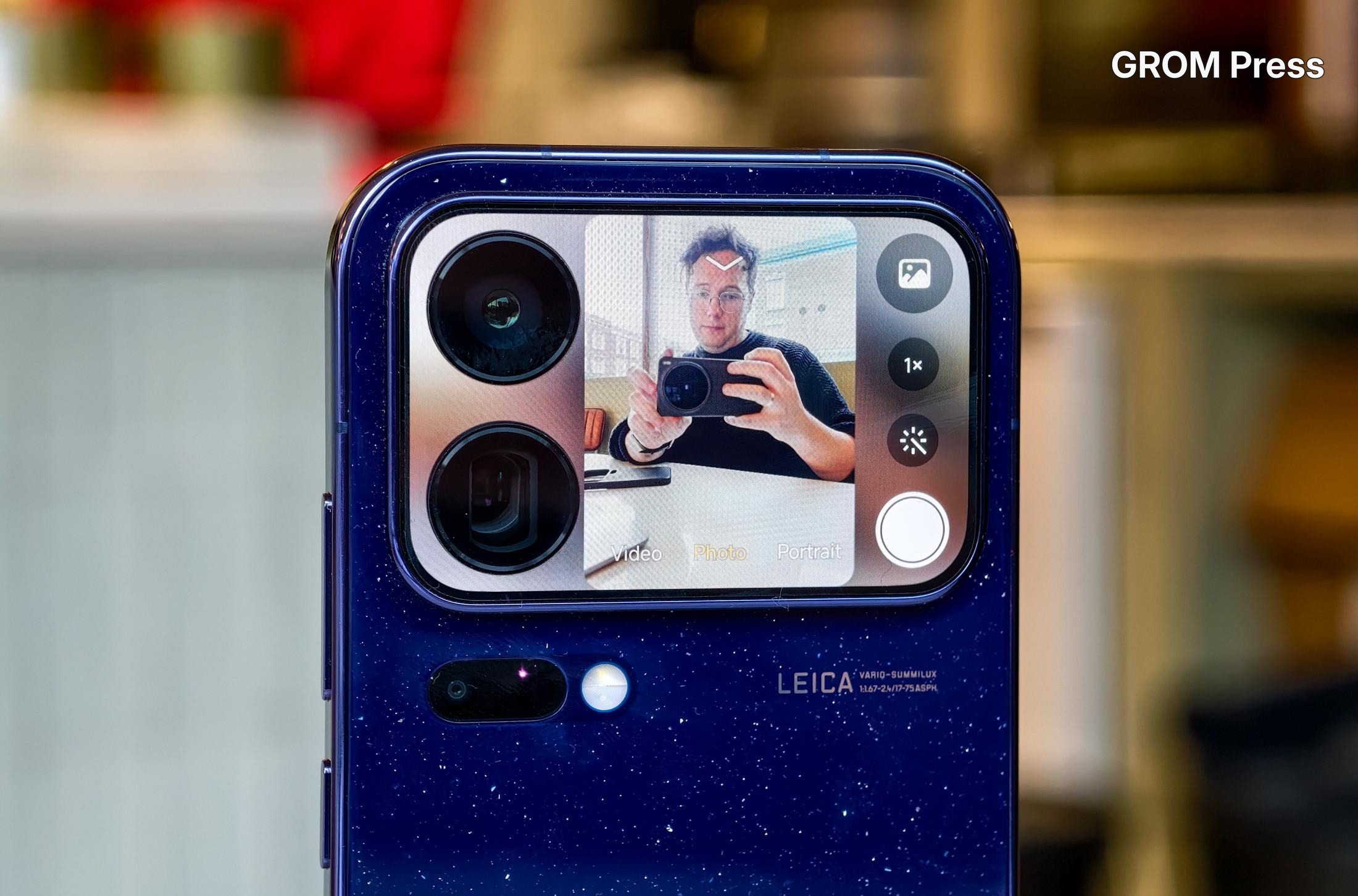
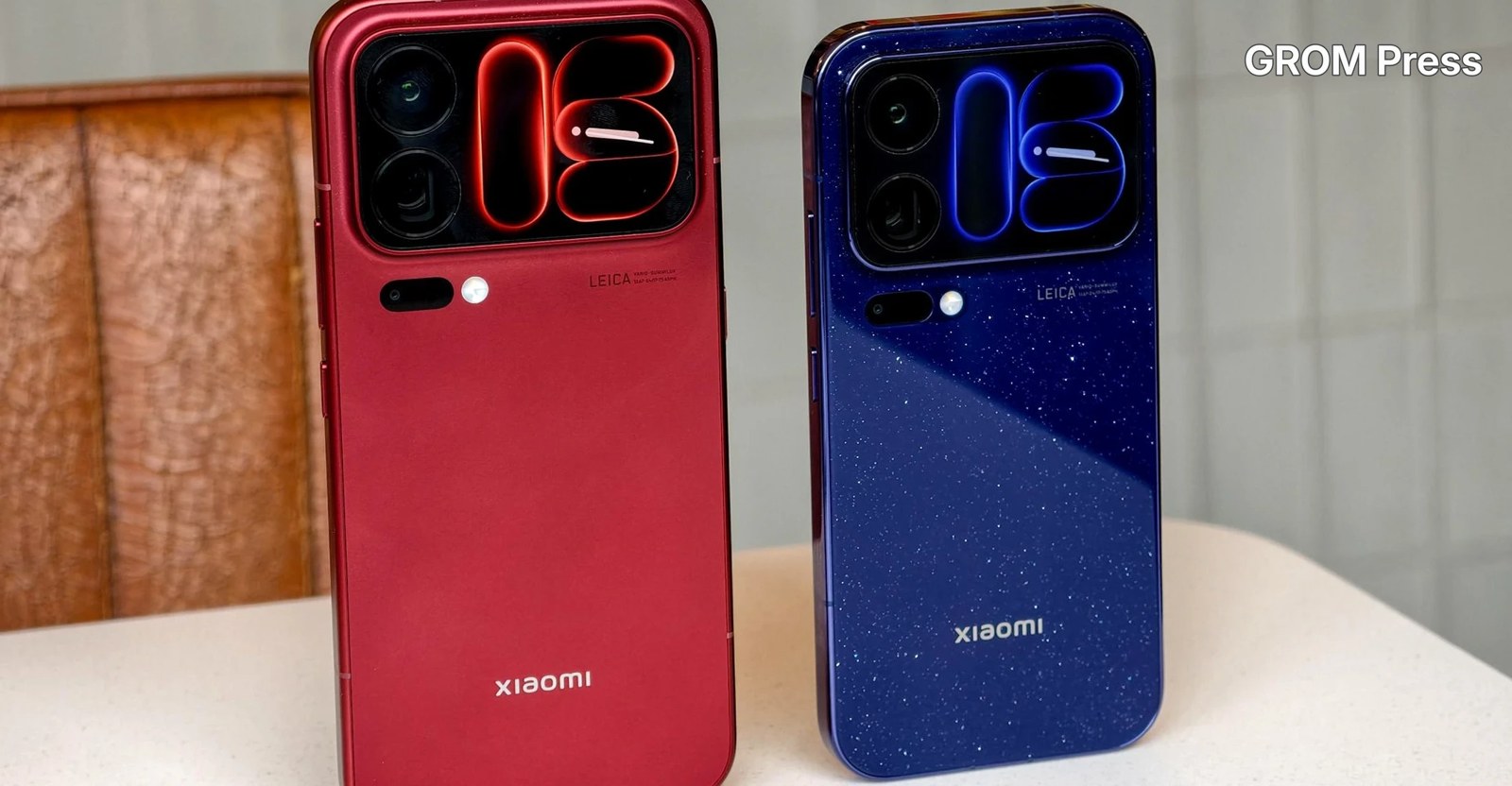
The main event is the rear screen, which wraps around the two primary rear cameras. It measures 2.7 inches on the 18 Pro and 2.9 inches on the 18 Pro Max. The reviewer identified one clear use case: using it as a viewfinder to take photos and videos with the rear main cameras, including selfies. The reviewer said this produced some of the best selfies they had ever taken. Beyond that, the screen supports wallpapers, some interactive, music and podcast playback controls, and notifications. The notification implementation was described as limited: app icons appear large, little text fits, there are no quick replies or read actions, and users cannot view a notification list, only individual alerts for a few seconds as they arrive. The reviewer compared this to being barely more useful than a notification LED.
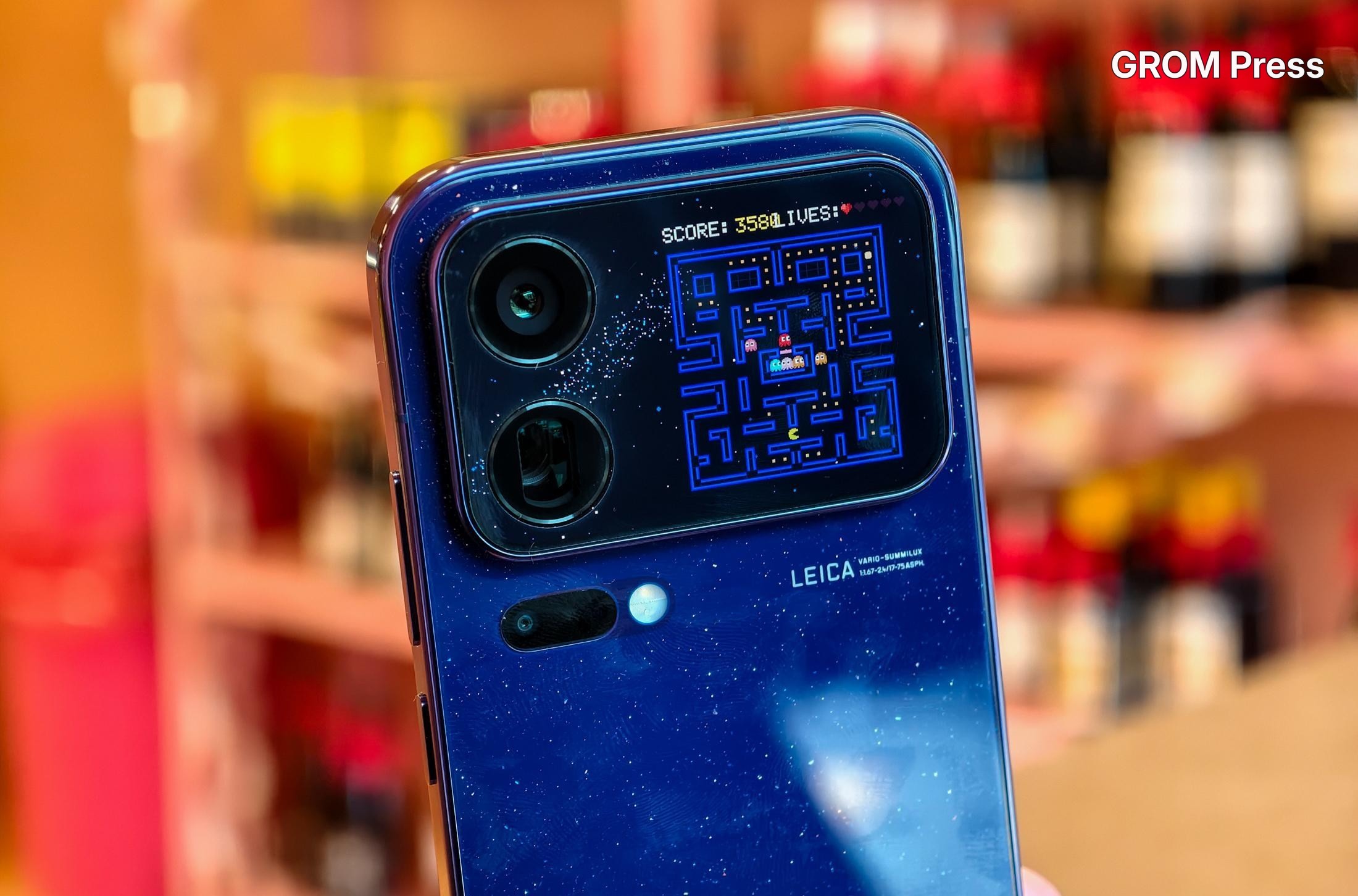
Xiaomi also includes a natural-language AI tool powered by Google’s Gemini 4 Argon for creating simple apps or games on the rear screen. The reviewer made a pomodoro timer and a semi-functional Pac-Man knockoff, but noted these creations cannot connect to the internet or access other apps.
Pricing and availability were specified for the UK and Europe. The 18 Pro costs £1,199, around $1,570, and the 18 Pro Max costs £1,399, around $1,830. The phones are positioned to compete directly with the iPhone 18 Pro and Pro Max. Display sizes are 6.4 inches on the Pro and 6.9 inches on the Pro Max. Battery capacity is 6,000mAh on the Pro and 7,050mAh on the Pro Max, with larger batteries available outside Europe. Wired charging is 100W on the Pro Max, 10W faster than the Pro. Both phones use Qualcomm’s Snapdragon 8 Elite Gen 6 chip, but only the Pro Max has the Extreme version.
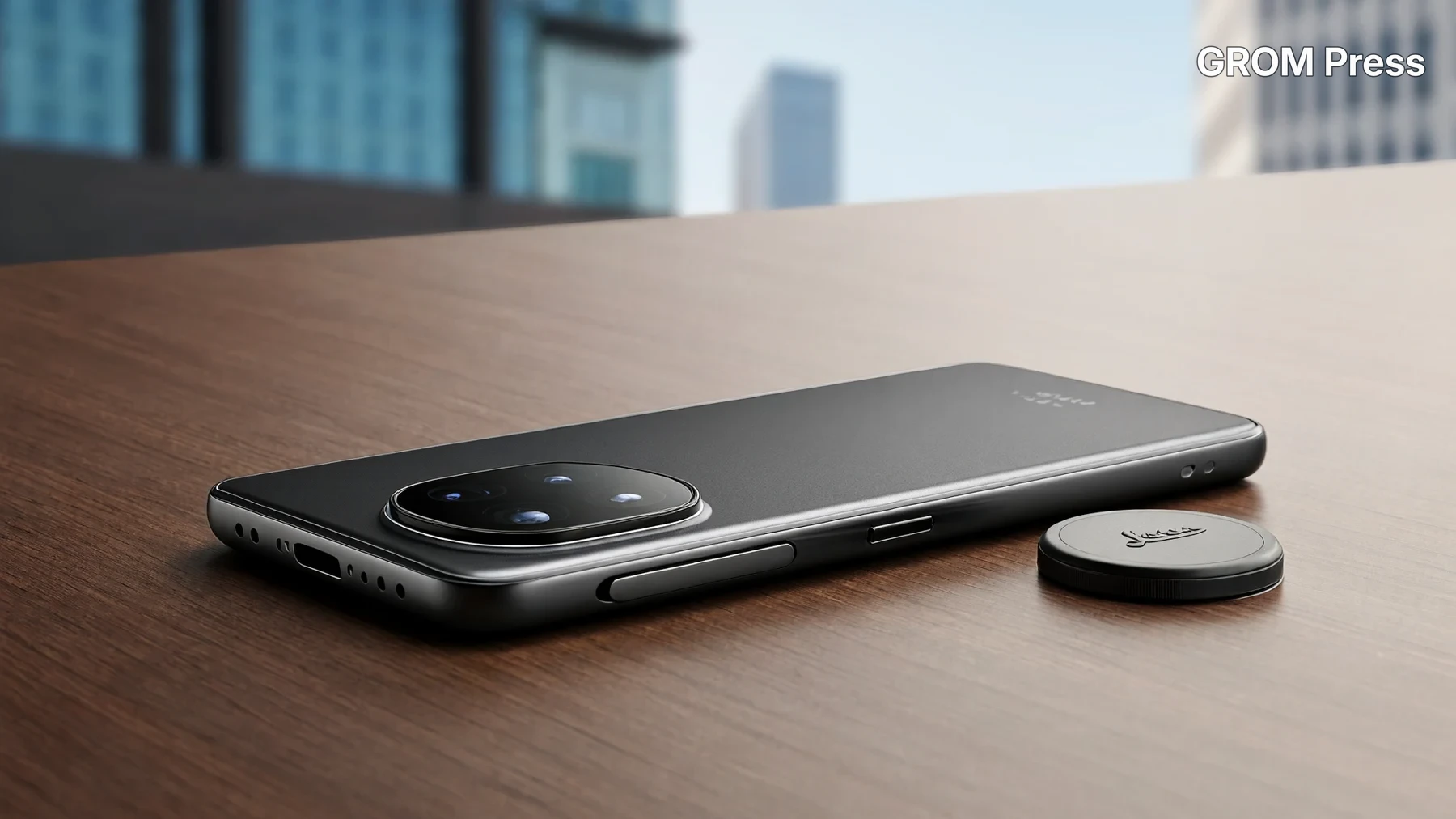
Camera hardware is nearly identical on both models. The main and telephoto cameras are both 200-megapixel shooters with large sensors. The telephoto has a 12cm minimum focusing distance and can serve as a macro camera. The 18 Pro Max has a LOFIC main sensor with an expanded 16-stop dynamic range, giving it a slight advantage in tricky highlights. Leica is involved again, offering Vibrant and Authentic Leica-branded modes plus a new Xiaomi-branded Original mode. A new Essential Moments mode uses AI to simulate three retro Leica aesthetics in 35mm or 75mm lens simulations. The ultrawide camera was criticized as an afterthought, placed low enough that fingers can block it, with a 17mm focal length that is not much wider than the 23mm main camera and noticeably lower image quality, especially in dim light. The selfie camera is described as decent but mainly useful for video calls because the rear screen makes the main camera preferable for self-portraits.
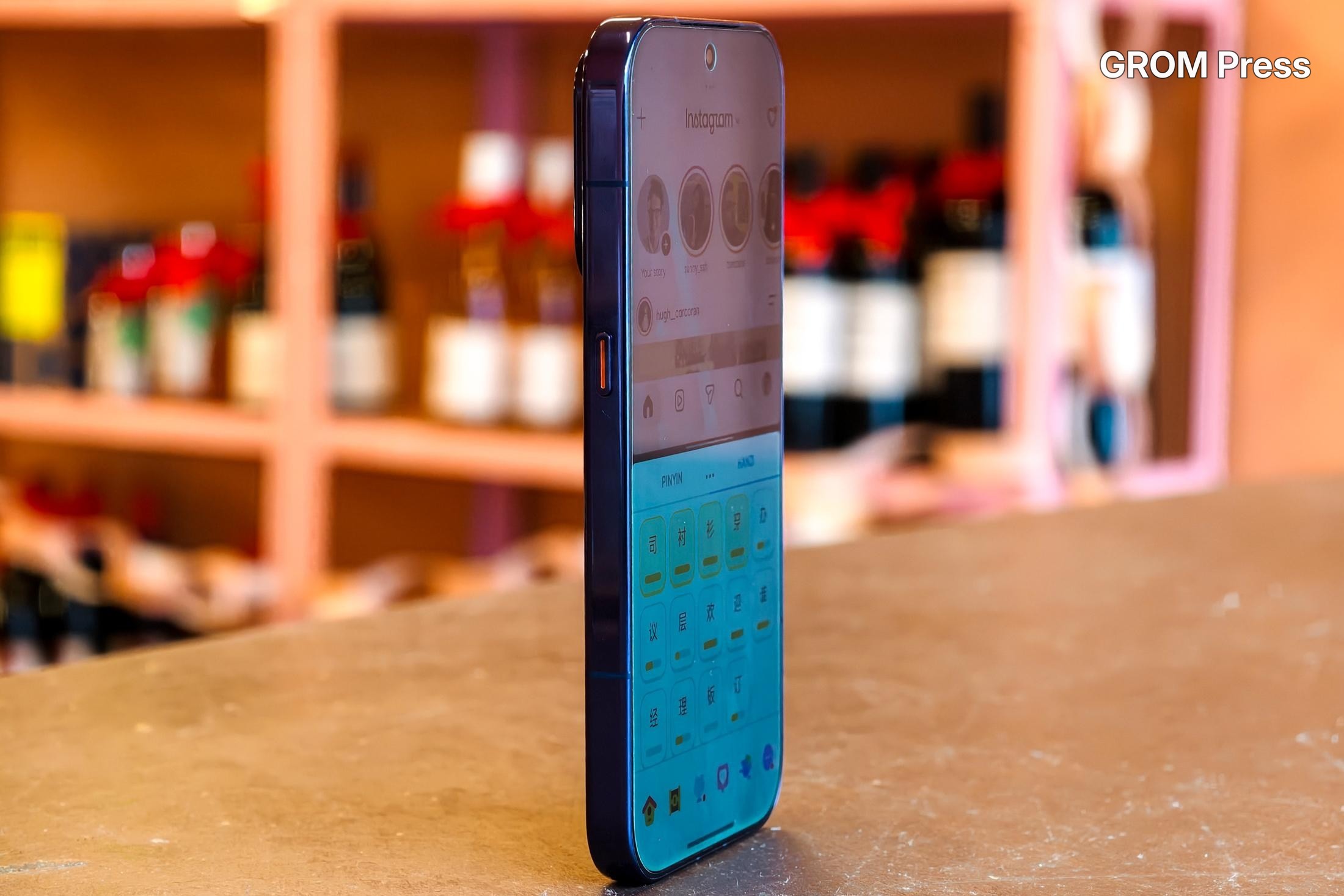
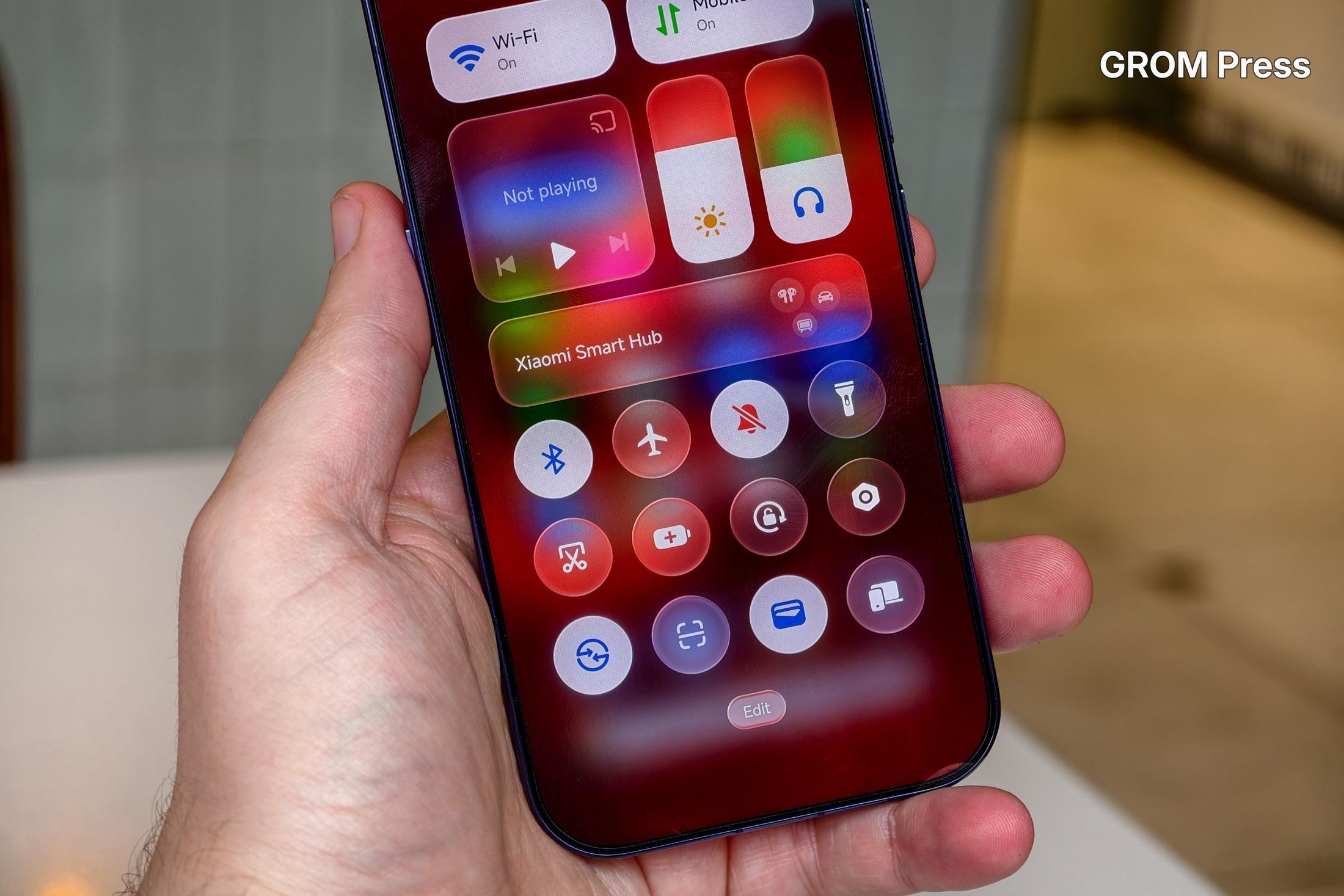
The phones also include a privacy display that switches between pixel sets with different viewing angles to limit side visibility. The reviewer said it imitates Samsung’s Galaxy S26 Ultra technology but is more flexible, applying to specific apps, notifications, split-screen and floating windows without affecting other open apps. However, the reviewer found it less effective than Samsung’s version.
Battery life was described as comfortable for one day and potentially two with lighter use, though only just. The reviewer said they had seen better battery life from recent Oppo and Vivo flagships. The overall assessment was that the phones have strong cameras and performance, but the limited rear display and high prices raise questions about the compromises made to include it.































Comments
No replies yet. Start the discussion.
Sign in to reply