
Iceye offers $2.2 billion for Italian rocket maker Avio
Finnish satellite manufacturer Iceye has offered more than $2.2 billion for Avio, the Italian producer of the Vega C rocket. Avio confirmed it received the proposal and its board is reviewing the terms. Iceye says the deal would strengthen European space independence by combining satellite production with launch capability. The company has built and launched 84 radar satellites and plans a low-orbit network with Nokia, aiming to launch 50 satellites per year from 2028. Vega C can carry up to 3.3 tonnes to low Earth orbit and has flown seven times successfully out of eight attempts since 2022.
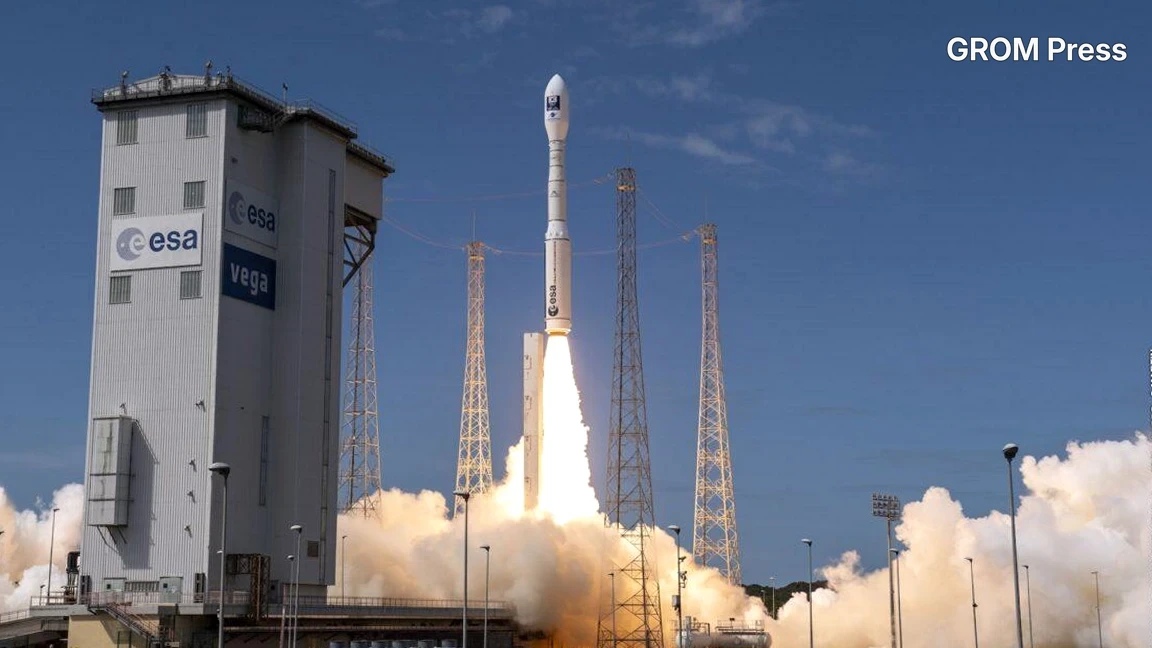
Finnish satellite manufacturer Iceye has offered more than $2.2 billion for Avio, the Italian company that produces the Vega C rocket. Avio confirmed that it received the offer and said its board of directors is reviewing the deal terms. Iceye stated that the acquisition would combine satellite manufacturing with launch services, giving Europe its own space infrastructure from spacecraft production to orbital delivery. The company said it wants to strengthen European independence in space and defence by controlling launch schedules and expanding satellite constellation production.
Iceye has built and launched 84 radar imaging satellites, which can capture images of the Earth's surface at night and through cloud cover. The company sells data to commercial customers and governments and supplies satellites directly to national governments. After its latest funding round in June, Iceye's valuation exceeded $12 billion.
Last month, Iceye and Finnish company Nokia announced plans to create a low Earth orbit satellite network for European communications, primarily for defence and security. The companies expect to begin launching 50 satellites per year starting in 2028, though they have not disclosed the total constellation size or communication parameters. For comparison, the operational Starlink network has more than 11,000 satellites.
Vega C can deliver payloads of up to 3.3 tonnes to low Earth orbit. Since 2022, the rocket has completed seven successful launches out of eight attempts. Avio is also involved in the European Vega programme, handles final assembly of rocket stages, and has gradually taken over marketing, sales, and launch organization from French company Arianespace.
A dedicated Vega C launch is estimated at about $55 million, nearly the same as a more powerful Falcon 9 launch. Most Iceye satellites have previously flown as secondary payloads on SpaceX missions, with a comparable satellite slot costing roughly $700,000. The report's authors estimate that even with possible savings from combining the companies, launching an Iceye satellite on Vega C could cost two to three times more than the current rideshare option. Avio would receive investment to increase production; the Vega family currently averages fewer than three launches per year, and it has few commercial orders outside European government and space programmes.
The deal fits a broader trend in which satellite companies seek to control both spacecraft and launch capacity. SpaceX develops Starlink alongside its own Falcon 9 and Starship rockets, while US company Rocket Lab expanded into satellite production after launching its Electron rocket. Iceye is also preparing for a period when launch access may become more difficult, as SpaceX plans to gradually phase out its rideshare programme after 2028 to prioritize its own projects.



Comments
No replies yet. Start the discussion.
Sign in to reply