
Cornell scientists create polymer fiber forest that cools chips 17 °C better than standard pads
Researchers at Cornell University have developed a composite material called a polymer fiber forest that combines high thermal conductivity with electrical insulation. In tests it kept a heated chip surface 17 °C cooler than a commercial ceramic-filled thermal pad at about 1.2 W of heating power, corresponding to roughly a 25% temperature reduction. The epoxy-based version showed thermal conductivity of 16.8 W/(m·K), while a flexible PDMS-based version reached 12 W/(m·K).
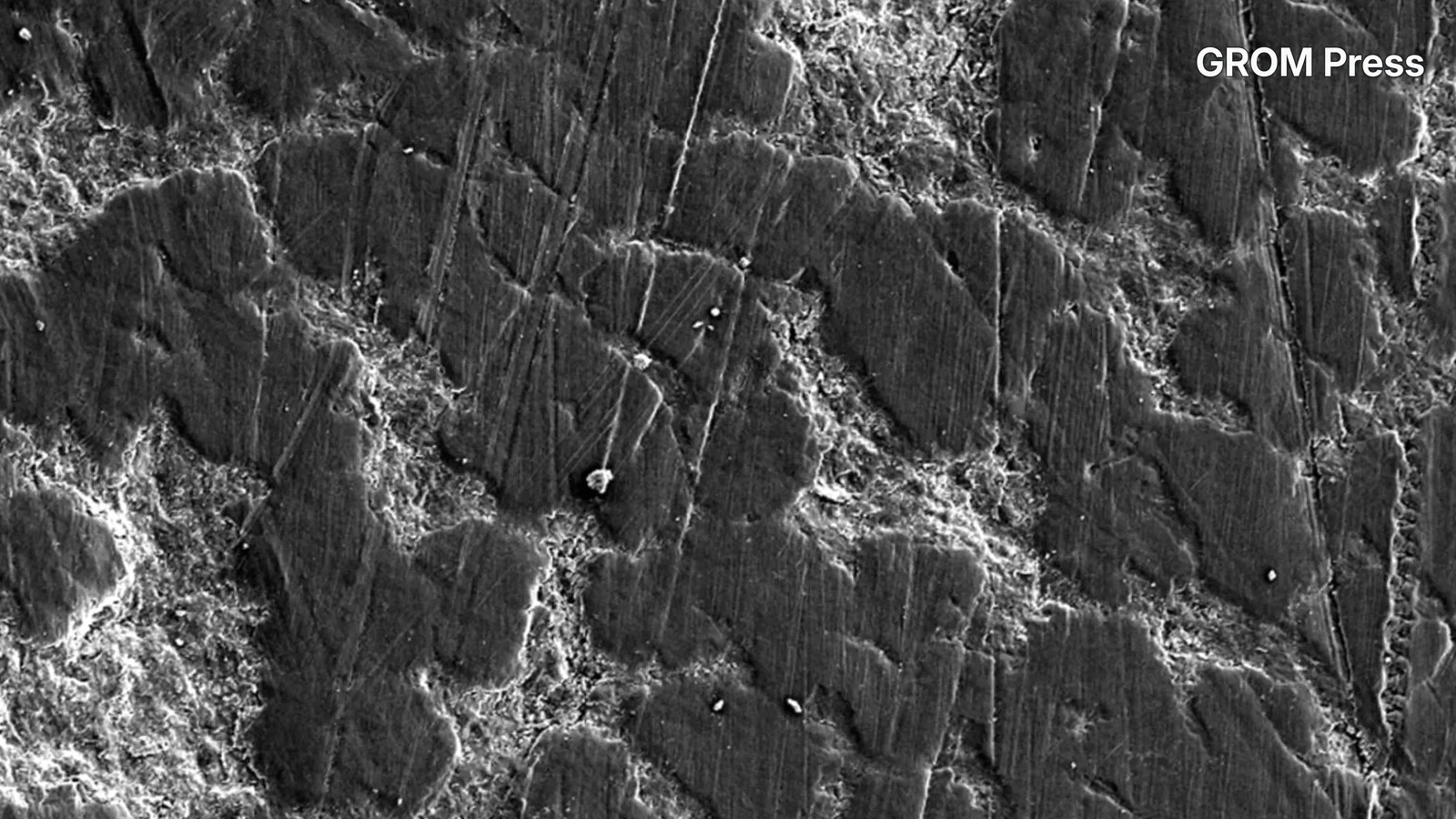
Scientists at Cornell University have developed a new cooling material for computer chips that they call a polymer fiber forest. The material is designed to draw heat away from processors while remaining electrically insulating, addressing a limitation of metal and graphite coolers, which conduct heat well but can cause short circuits. Ordinary polymers are electrically safe but generally poor at transferring heat, according to the researchers.
The structure is built from thousands of Zylon fibers, a high-strength synthetic polymer that conducts heat effectively along its axis. The fibers are first laid horizontally in a mold, and the space between them is filled with a polymer matrix. After the matrix hardens, the block is rotated 90 degrees so the fibers stand vertically, forming channels that carry heat from the chip to a heatsink.
The researchers produced two versions of the composite. The epoxy-based variant demonstrated a thermal conductivity of 16.8 watts per meter-kelvin. A more flexible version using a silicone-like PDMS matrix showed 12 watts per meter-kelvin. In an experiment simulating heating of an electronic chip at about 1.2 watts, the epoxy-based material kept the heated surface 17 degrees Celsius cooler than a commercial thermal pad with ceramic filler. The university described this as a temperature reduction of approximately 25 percent.
The developers said the technology could be adapted to different types of electronics by changing the fiber material and the properties of the polymer base. Potential applications include cooling processors and power electronics. The researchers did not provide a timeline for commercial use or mass production.



Comments
No replies yet. Start the discussion.
Sign in to reply