
Why tempered glass PC cases are popular and what downsides they bring
Tempered glass side panels are common in gaming PC cases because builders want to display expensive components such as GPUs and RGB RAM. The panels also make it easier to spot stopped fans, dust, or cable problems. Drawbacks include possible breakage during removal, the need for careful cable management, extra weight, and dirt or fingerprint buildup. The article does not provide sales figures or independent test data.
Main event
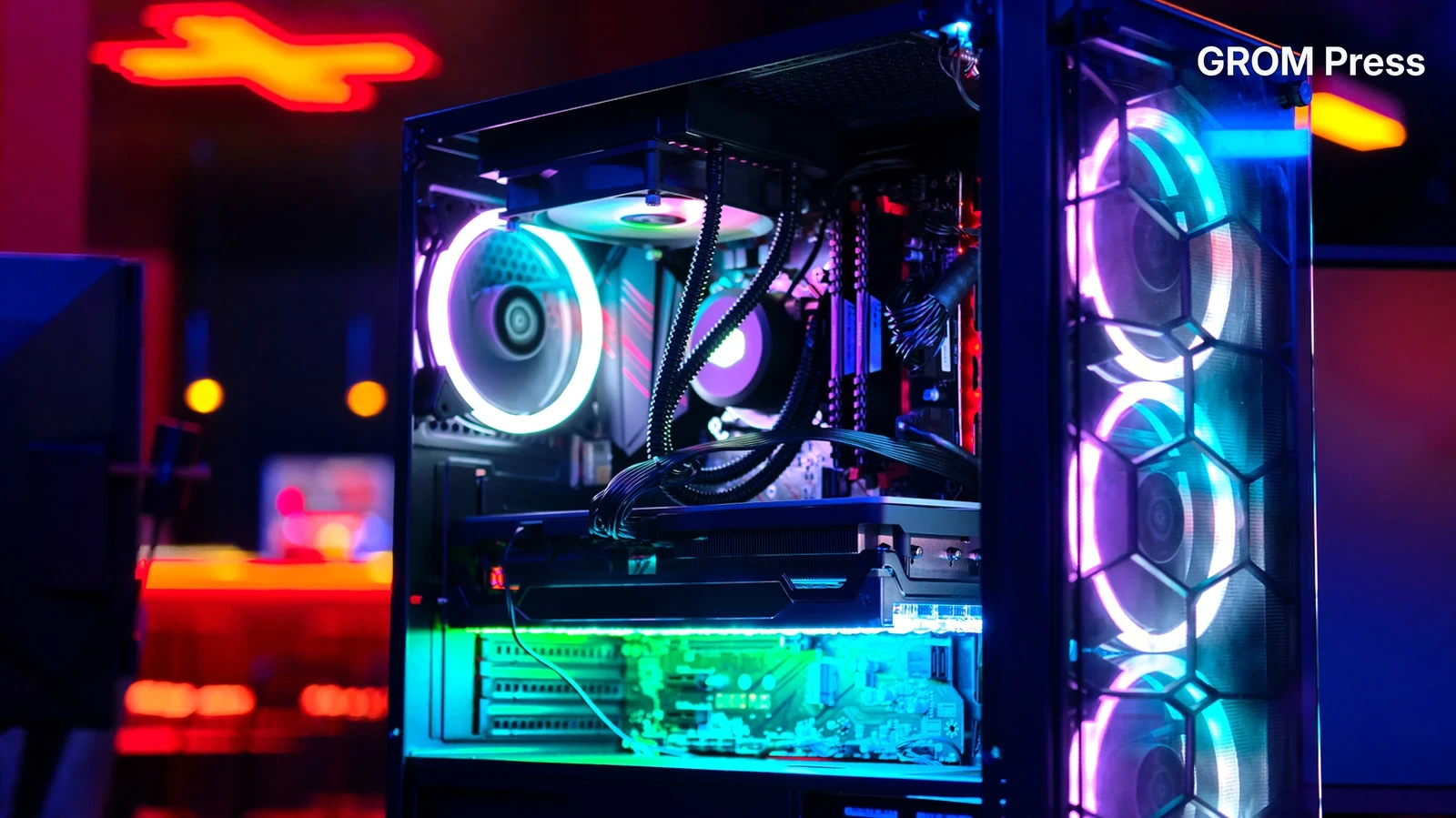
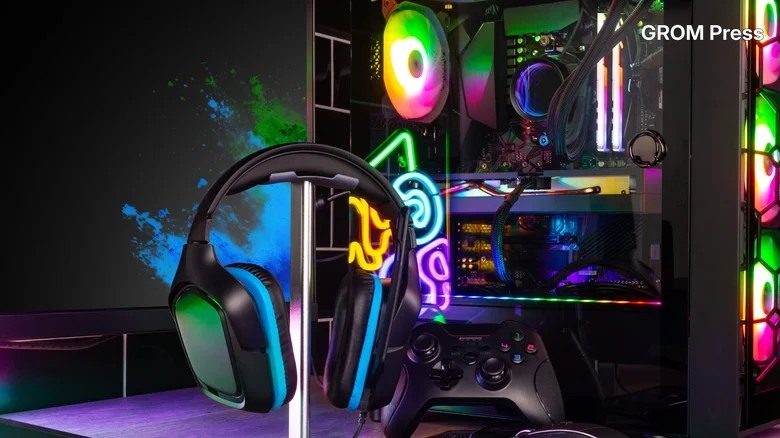
Many desktop PC cases now use tempered glass side panels because PC builders want to display expensive components such as graphics cards and RGB-lit memory. The author, who says he has been building PCs since 2004, paid more than the $1,999 MSRP for an NVIDIA GeForce RTX 5090 because of AI-related stock shortages and wants a glass case to keep the GPU visible.
Details
Glass panels also let owners show off liquid-cooling parts. The author uses an NZXT Kraken Elite 360 pump with a small LCD that can display CPU temperature and custom animations. A see-through panel can help with practical checks, such as noticing a fan that has stopped spinning, spotting dust buildup, or seeing whether a motherboard cable is too close to a GPU fan.
Most ATX towers mount the motherboard on the right side so components face the left panel, which is where the glass usually sits. Reversible cases exist but are described as a niche market.
Downsides
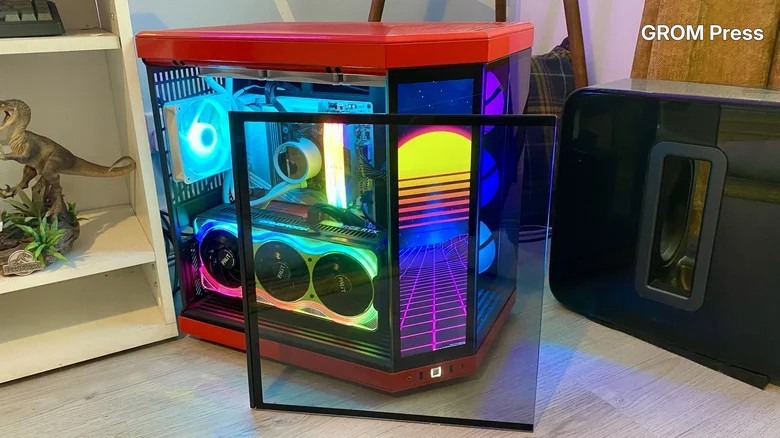
The author says problems are uncommon but notes that tempered glass can break if mishandled, especially when panels are removed often for upgrades. Glass cases are heavier than plastic-panel cases and collect dirt, grime, and fingerprints. The author wipes his HYTE Y70 Touch Infinite case with a microfiber cloth every couple of weeks.
Good cable management is important for the visual result. The author’s dual-chamber HYTE case hides PSU and motherboard cables behind a separate panel, but he says some glass cases conceal cables much better than others. Owners who do not want to spend time hiding cables may not want a glass-panel PC.
Context and source
The piece is a first-person opinion article about PC case culture. It does not provide sales figures, independent laboratory tests, or verified data on how often glass panels break or affect airflow. The author states that airflow issues can occur if a glass panel is installed too tightly, but gives no measurements or brand-specific evidence.






Comments
No replies yet. Start the discussion.
Sign in to reply