
ALMA captured a giant gas loop around Mira A after a 2023 flare
Astronomers from Chalmers University of Technology, led by Wouter Vlemmings and Miora Andriantsalara, observed a giant gas loop around the red giant Mira A, 330 light-years from Earth. The structure, imaged by the ALMA radio telescope in Chile in 2025, extends roughly from the Sun to Saturn and formed over two years after a bright flare on the star in 2023. Strong magnetic fields detected inside the loop suggest magnetic eruptions can drive stellar wind and distribute carbon, oxygen and nitrogen into interstellar space.
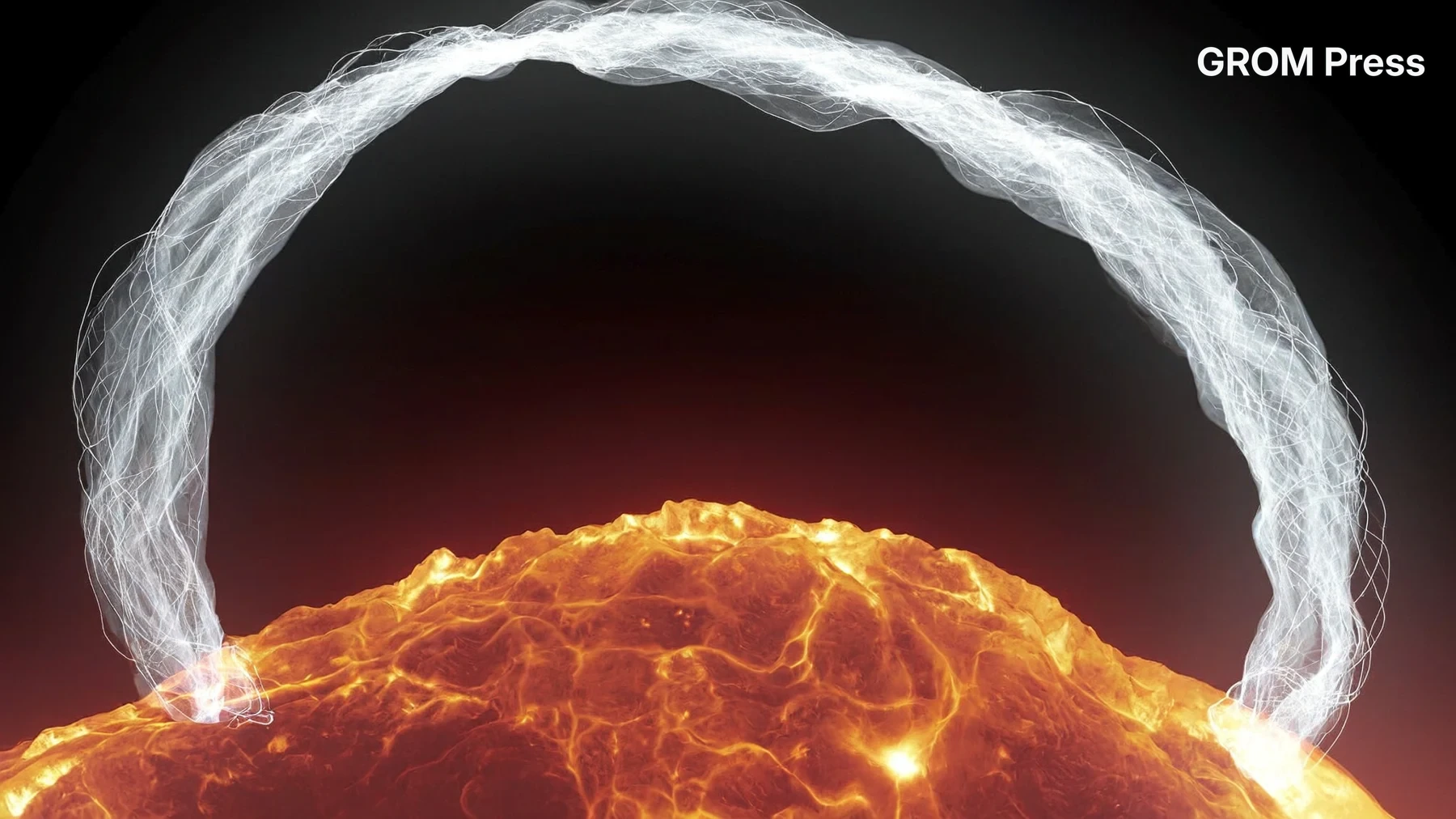
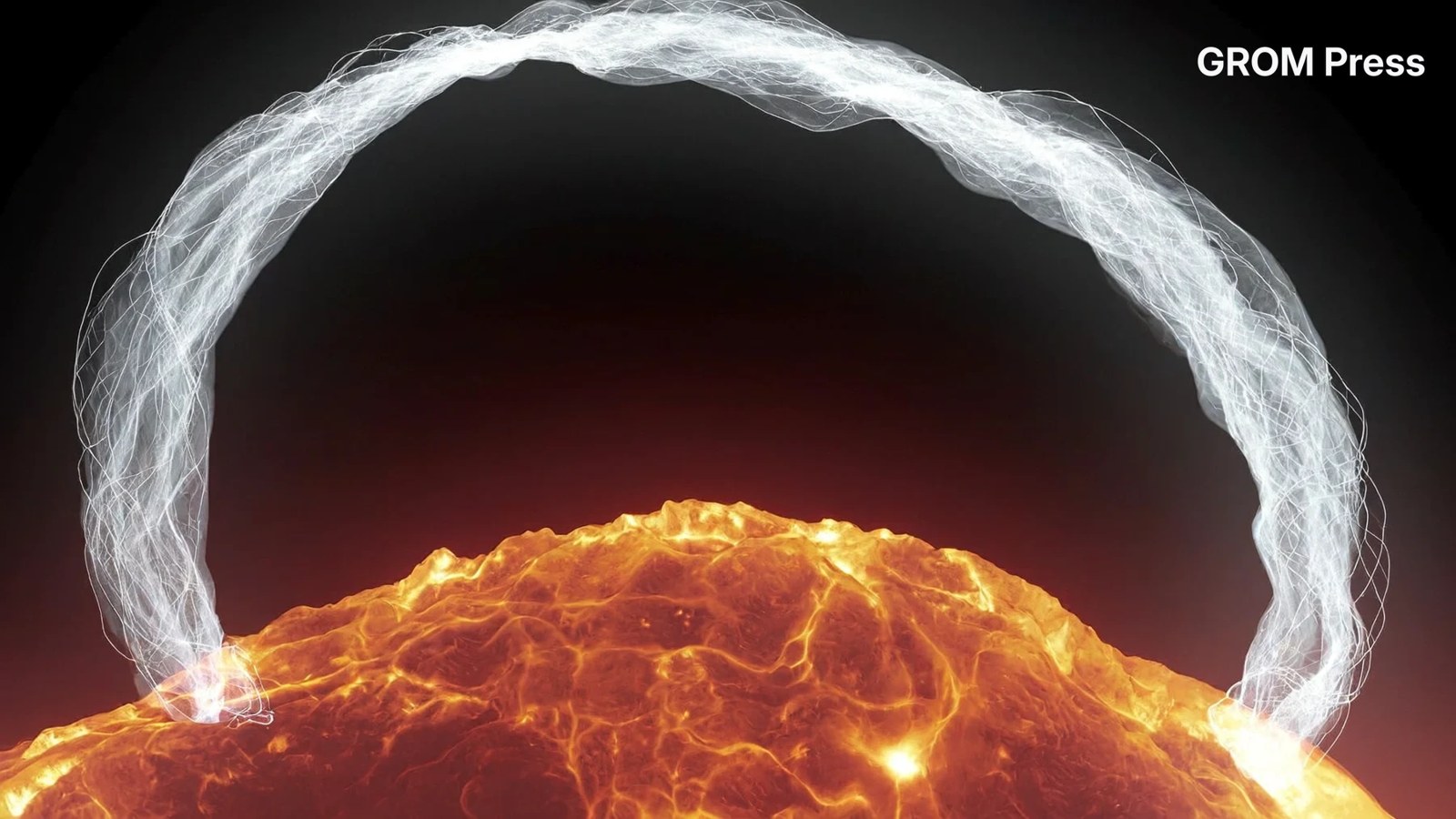
Astronomers have observed a giant gas loop around the red giant Mira A, located 330 light-years from Earth. The structure was imaged in 2025 using the ALMA radio telescope in Chile and extends approximately from the Sun to Saturn.
The loop formed over two years after a bright flare appeared on the surface of Mira A in 2023. Observations by a team from Chalmers University of Technology, led by Wouter Vlemmings and Miora Andriantsalara, showed that the star’s surface is constantly changing, with the brightest areas linked to powerful flares. The researchers assessed the brightest flare as exceeding all previously observed flares on comparable stars.
ALMA detected a strong magnetic field inside the gas loop, and polarization measurements revealed its structure. The shape, motion and magnetic properties of the ejection indicate a connection to the flare on Mira’s surface. The mechanism resembles a coronal mass ejection on the Sun, but occurs on a much larger star.
The finding is significant for understanding stellar wind, the stream of material that ageing stars gradually expel into surrounding space. Previously, radiation pressure on material in the star’s outer layers was considered the main mechanism, with radiation accelerating particles that then drag gas along. Observations of Mira show that magnetic fields can also drive material ejections and influence stellar wind.
Such ejections help return carbon, oxygen and nitrogen to the interstellar medium, where these elements become raw material for new stars and planets. However, the observations directly show what is happening on Mira, and it remains to be established how widely magnetic ejections determine mass loss in other red giants.



Comments
No replies yet. Start the discussion.
Sign in to reply