
AMD EPYC Zen 6 processors show up to 133x AI gains over original Zen 1 flagship in decade-long comparison
AMD's new EPYC 9006 Venice processors, including the 256-core EPYC 9996 and 96-core EPYC 9686F, have begun shipping and were benchmarked against the original EPYC 7601 Naples processor from June 2017. Phoronix reports a 12.1x geometric mean performance gain across real-world workloads in less than ten years, with up to 133x gains in AI workloads. The comparison used dual-socket configurations on Ubuntu 26.10 with Linux kernel 7.3 and GCC 15.3, and also measured power consumption and performance-per-watt via CPU PowerCap/RAPL sensors.
Main event and significance
AMD has published a decade-spanning performance comparison between its original EPYC Zen 1 flagship and the newly available EPYC 9006 Venice Zen 6 processors. The testing, carried out by Phoronix, found a 12.1x geometric mean performance improvement across real-world workloads in less than ten years, with AI workloads showing gains of up to 133x. The comparison also covered power consumption and performance-per-watt for dual-socket configurations.
Processors and specifications
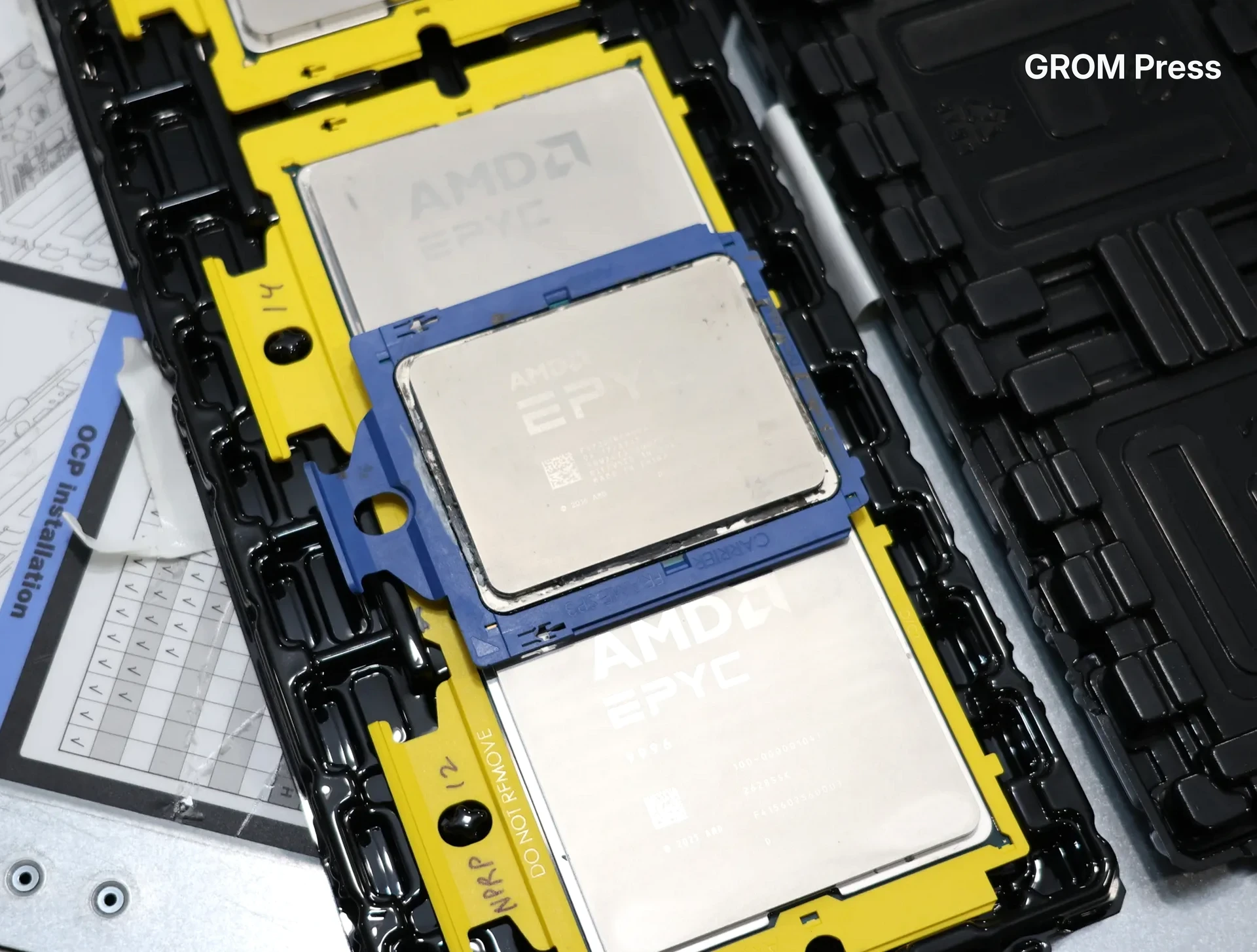
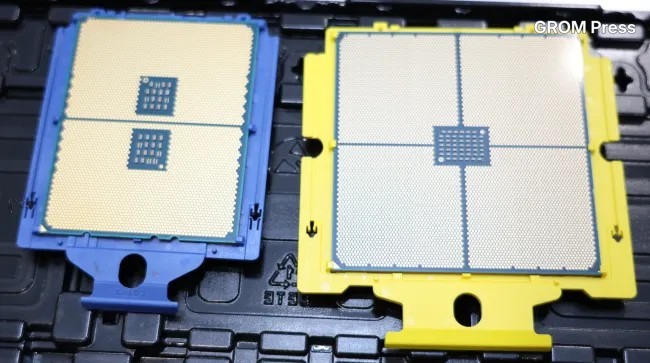
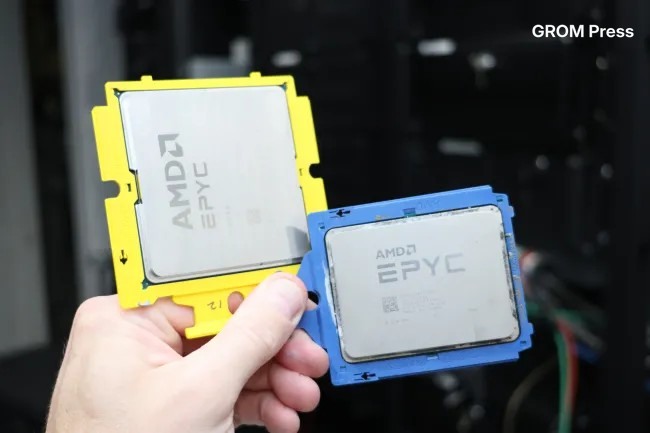
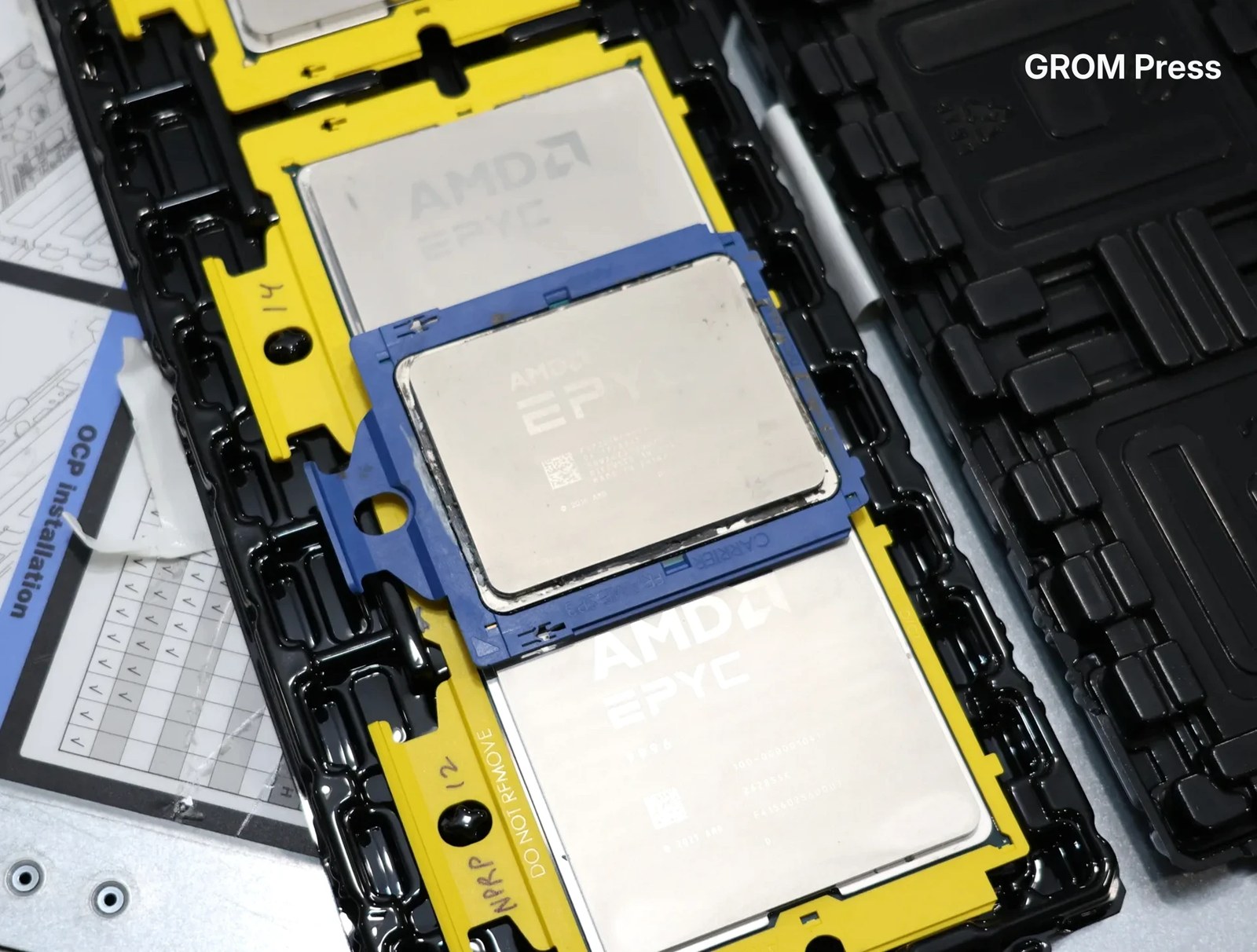
The EPYC 7601 launched in June 2017 as the flagship of the EPYC Naples Zen 1 family. It featured 32 Zen 1 cores and 64 threads, a 2.2GHz base frequency, a 3.2GHz maximum boost frequency, 64MB of L3 cache, eight-channel DDR4-2666 memory, up to 128 PCIe 3.0 lanes, and a 180W TDP.
The EPYC 9996 is the 256-core Zen 6C flagship of the EPYC 9006 SP7 family, which has begun shipping. It offers 256 cores and 512 threads per socket, a 2.55GHz base clock, a 4.1GHz maximum boost frequency, 1024MB of L3 cache, 16-channel DDR5 RDIMM or MRDIMM-12800 memory support, 96 lanes of PCI Express 6.0, and a 600W default power rating.
The EPYC 9686F is the frequency-optimized flagship with 96 Zen 5 cores and 192 threads, a 4.05GHz base frequency, up to 5.3GHz maximum boost clock, 384MB of L3 cache, and a 600W default power rating.
Testing setup
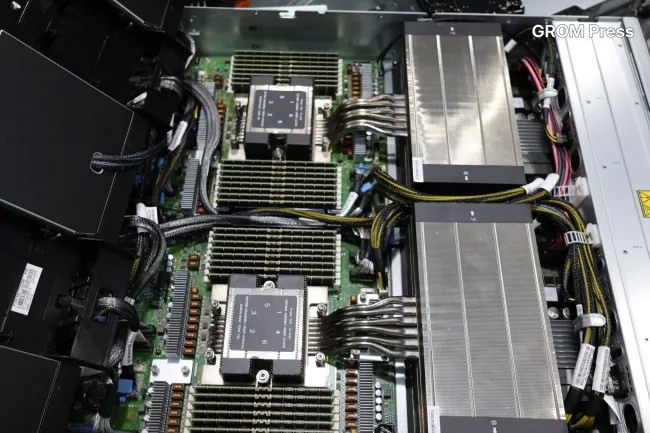
Phoronix tested the dual-socket EPYC 7601 configuration on a Dell PowerEdge R7425 server originally provided by AMD for EPYC Naples testing nearly ten years ago. That system used 16 x 32GB DDR4-2666 memory and a Samsung SSD 860.
The dual-socket EPYC 9686F and EPYC 9996 systems were tested on a Nigeria reference server equipped with 32 x 64GB MRDIMM-12800 memory and a Micron MTFDMBQ7T6THM-1BP1JABDC PCIe Gen6 SSD.
Both server configurations ran the same software stack: Ubuntu 26.10 with the Linux 7.3 kernel and GCC 15.3 compiler by default.
Architectural context
Phoronix noted architectural advancements over the decade that are not captured by specifications alone, including AVX-512 introduced with Zen 4 and further refined in Zen 5, security improvements reducing the need for software-based security mitigations, and numerous other architectural changes from Zen 1 to Zen 6.
Power and efficiency measurement
In addition to raw performance, CPU power consumption and performance-per-watt were compared using the exposed CPU PowerCap/RAPL sensors for the 2P processor configurations.
Uncertainty and attribution
All performance figures, including the 12.1x geometric mean and up to 133x AI gain, are reported by Phoronix based on its own benchmarking. No independent confirmation or additional source was provided in the material.






Comments
No replies yet. Start the discussion.
Sign in to reply