
Australian treasurer warns mid-year budget update may require spending restraint as unemployment forecast to exceed 5 percent
Treasurer Jim Chalmers said in a special economic statement that unemployment is forecast to rise above 5 percent by mid-2026, inflation is expected to remain around 3.5 percent, and growth is predicted to slow to well below 2 percent for a couple of years. Shadow treasurer Tim Wilson argues government spending fuels inflation, while private economists warn the jobless rate could reach 5.5 percent within a year and growth could fall below 1 percent, with AMP economist Shane Oliver saying Australia could flirt with recession in 2027. Chalmers said the government expects to offset new spending decisions without slashing services.
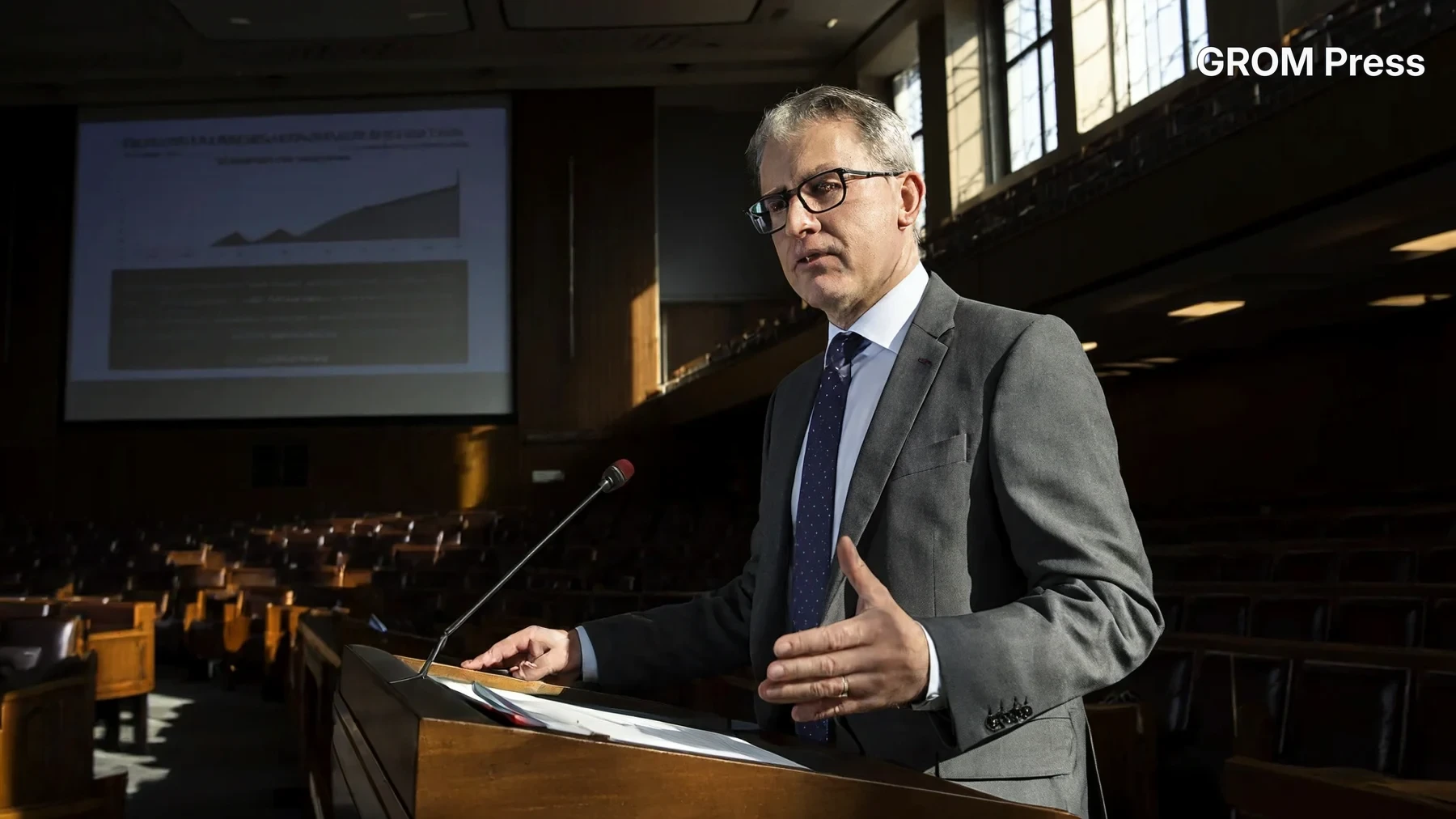
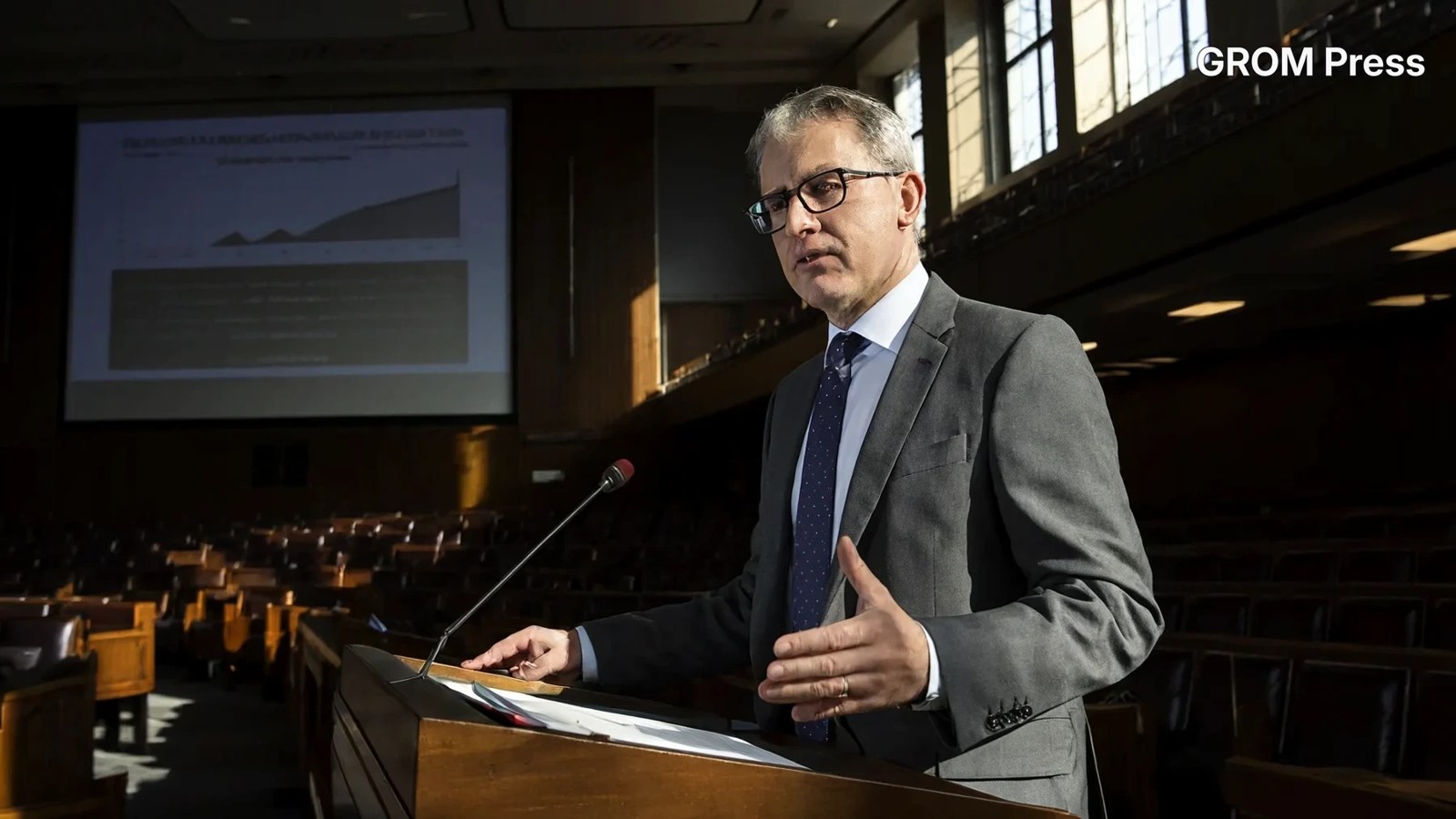
The main event is the treasurer’s special economic statement delivered during question time on Monday, in which Jim Chalmers presented updated economic forecasts and outlined the government’s approach to the upcoming mid-year budget update. The statement was made in the Australian parliament, though the article does not specify the city or time zone.
Chalmers revealed that unemployment is forecast to rise above 5 percent by the middle of next year. Inflation is expected to remain higher than wanted, at about 3.5 percent. Growth is predicted to slow to well below 2 percent and stay there for a couple of years, compared with the usually expected growth rate of at least 2.75 percent.
The treasurer said the government expects to more than offset its new spending decisions without slashing and burning the services people rely on. He described the task as cutting spending enough without threatening growth, calling it a delicate balance.
Shadow treasurer Tim Wilson argues that every dollar of government spending is debt petrol poured into the inflation fire. He is not explicitly calling for a slash-and-burn budget, which he acknowledges would be political cyanide, but he creates the impression that deep cuts are needed. Wilson also criticises Labor for announcing policies that added 11.8 billion Australian dollars to net spending through 2025-26 and 2026-27, saying the opposition warned about inflation risk while the government spent anyway.
The article states that the government kept announcing new spending measures while inflation was climbing rapidly through the second half of 2025 and into 2026. It describes this as complacency about the inflation challenge, but says the balance of risks has now shifted toward rising unemployment.
At least three Reserve Bank board members voted against the latest rate hike, indicating they had accepted the changed risk balance. The article notes that the jobless rate jumped to 4.9 percent last week, though it does not specify the date of that release or the source of the labour-market figure.
Private sector economists are more pessimistic than the treasurer’s forecasts. Some predict the jobless rate will reach 5.5 percent in a year’s time. AMP chief economist Shane Oliver reckons economic growth could fall below 1 percent and Australia will flirt with a recession in 2027. These are assessments by named economists, not official government forecasts.
Westpac chief economist Luci Ellis argues that blaming government spending for today’s inflation problem is about two years too late. She also considers deep budget cuts designed to kill inflation to be at least six months too late.
The government hopes its nuanced message will be enough to get through Christmas without losing more votes on economic management. The article does not state the exact date of the mid-year budget update, only that it is expected next month relative to the statement. It does not provide a specific publication date for the article itself.


Comments
No replies yet. Start the discussion.
Sign in to reply