
BQP develops autonomous satellite collision-avoidance software
US company BQP is developing software that lets satellites calculate debris-avoidance manoeuvres without human operators. The company says its platform can model all orbital objects in under 30 minutes, compared with an estimated 40 days for existing tools, and claims up to 2,000 times faster performance than the open-source Orekit toolkit. BQP received a first federal research grant from the US Space Force's SpaceWERX in July 2026, completed Phase I and ground tests, and plans to send its hardware to the International Space Station for in-orbit testing. IBM Ventures invested in September, bringing total funding to $8 million.
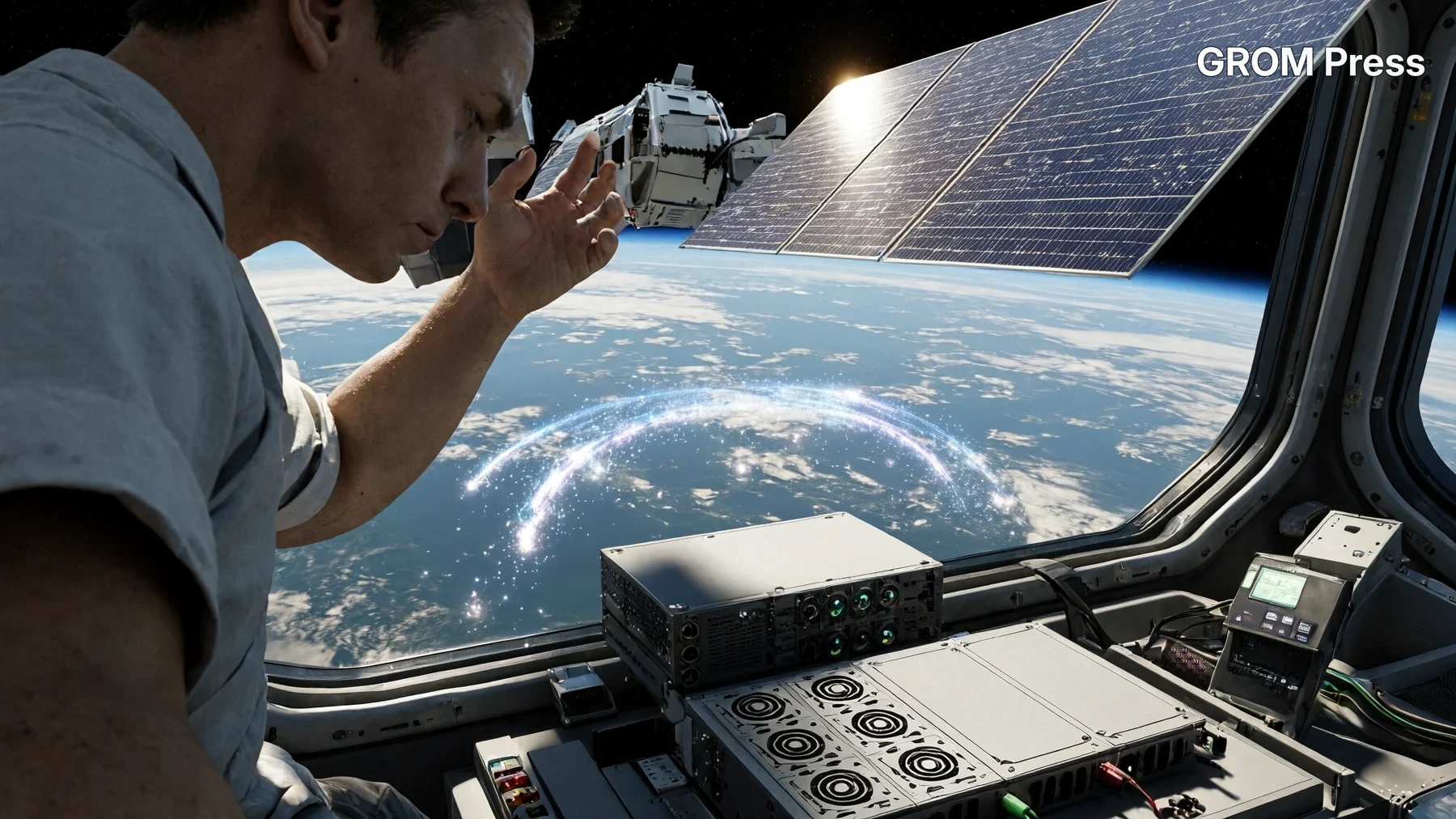
US company BQP is developing software designed to let satellites calculate debris-avoidance manoeuvres autonomously, without relying on human operators to assess collision warnings and decide whether to spend fuel on an orbit change. The company says this automation could reduce the economic damage caused by space debris, which NASA estimates at $58 million per year for US government satellites.
Currently, orbital situational awareness depends heavily on ground services. The US Space Force tracks about 60,000 objects and sends satellite operators free warnings of possible collisions, but not every warning means a real threat. Unnecessary manoeuvres consume limited fuel, while failing to avoid debris can result in the loss of a satellite worth hundreds of millions of dollars. BQP founder and CEO Abhishek Chopra said the current manual approach requires constant operator attention and is difficult to scale as the number of satellites grows.
BQP claims its software platform can model the movement of all objects in orbit in less than 30 minutes. According to Chopra, existing tools would need about 40 days for the same task. The company also claims performance up to 2,000 times faster than Orekit, a widely used open-source orbit calculation toolkit. In September, BQP reported a 250-fold advantage over Orekit.
The technology is based on what the company calls a "quantum-inspired" approach, using mathematical methods associated with quantum computing but running on conventional processors and graphics accelerators. Chopra said the idea came after he ported old calculation code to Nvidia graphics chips and found the program used only about 15 percent of their computing capacity. BQP is rewriting algorithms to use existing hardware more efficiently while waiting for full-scale quantum computers.
In July 2026, BQP received its first federal contract, a research grant from SpaceWERX, the innovation arm of the US Space Force. Phase I is complete, and the company is now seeking Phase II funding to integrate the technology into military operational systems. Ground tests of the software on partner equipment have also been completed. The next step is testing in the real space environment: according to Chopra, equipment with the development is being sent to the International Space Station.
In September, IBM Ventures invested in BQP. With this investment, the company's total attracted funding reached $8 million. However, turning the development into a full satellite control system still requires orbital tests and customer adoption.



Comments
No replies yet. Start the discussion.
Sign in to reply