
Brazil launches National Plan for Women in Agriculture to strengthen female protagonism in agribusiness
Brazil’s Ministry of Agriculture and Livestock launched the National Plan for Women in Agriculture (PNMA) on Tuesday, 24 November, in Brasília. The plan, structured around seven strategic axes, aims to expand women’s productive role in agribusiness, strengthen economic autonomy, participation and leadership, and ensure institutional conditions for rural women to produce, undertake and prosper with security and quality of life. Each axis has up to 60 days to present an action plan with targets. A permanent Management Committee will coordinate, articulate, monitor and evaluate implementation.
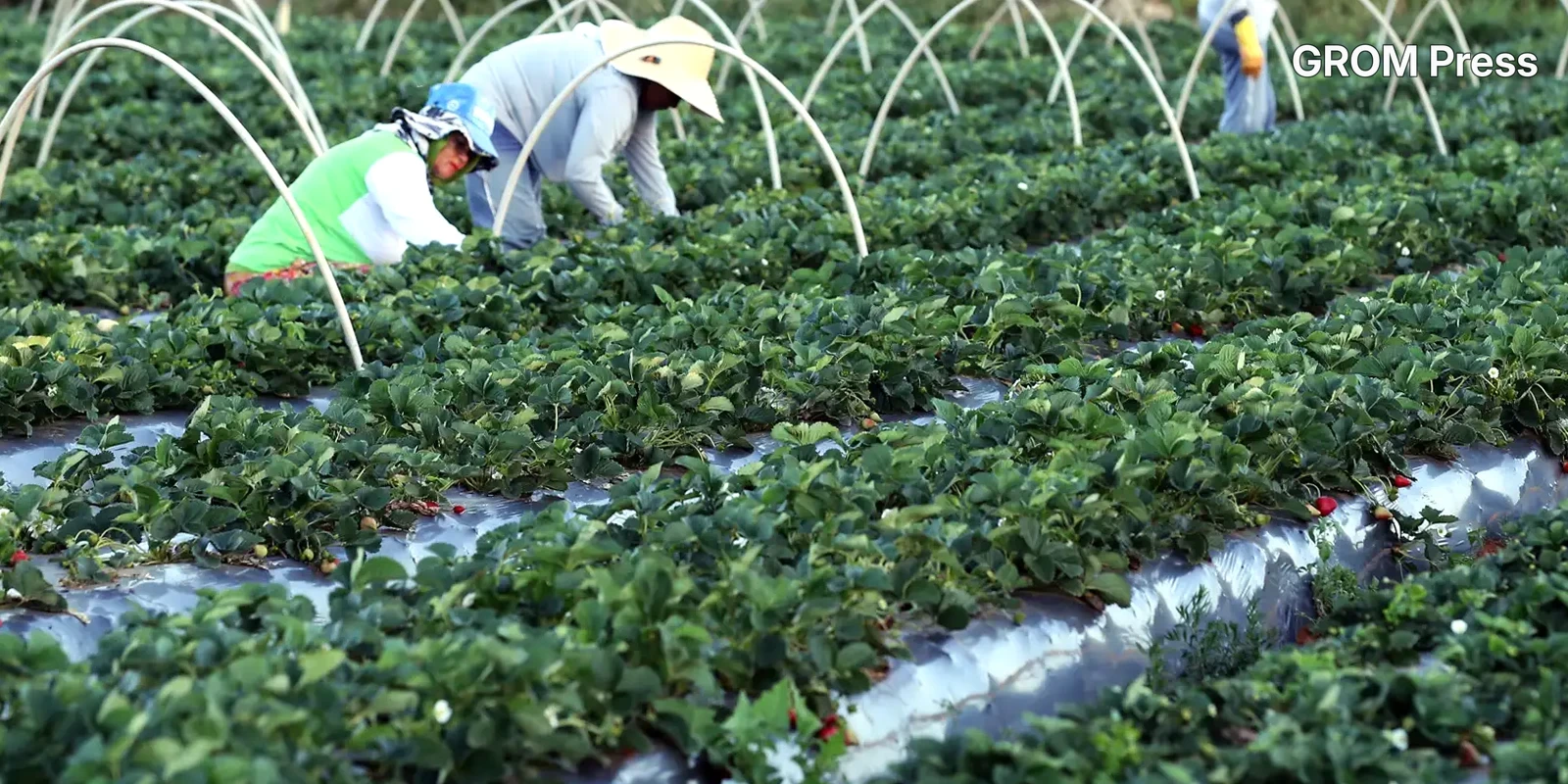
The Ministry of Agriculture and Livestock (Mapa) launched the National Plan for Women in Agriculture (PNMA) on Tuesday, 24 November, at its headquarters in Brasília. The initiative seeks to strengthen the productive protagonism of women in Brazilian agribusiness by establishing strategic axes, governance mechanisms and social participation for women working in rural areas.
The plan is structured around seven strategic axes: Production, Credit and Heritage; Information, Technology, Innovation and Technical Assistance and Rural Extension; Entrepreneurship, Value Addition, Cooperativism and Market Access; Leadership, Representation and Succession; Dialogue, Articulation and Social Participation; Quality of Life and Permanence in the Countryside; and Recognition and Cultural Transformation. According to the ministry, the axes were designed to expand women’s productive protagonism in Brazilian agribusiness, strengthening economic autonomy, participation and female leadership across different agricultural and livestock activities.
Under the activity schedule, each axis has up to 60 days to prepare and present an action plan with the targets to be executed. Implementation will be supported by a permanent Management Committee responsible for coordinating, articulating, monitoring and evaluating the execution of actions, tracking results and proposing updates to guidelines and priorities when necessary.
Valéria Guimarães, a cattle rancher representing women in agribusiness, said during the launch that the initiative brings together those who produce and those who formulate policies for the sector. She described the moment as one in which an institutional decision goes beyond the meaning of an administrative act, representing the meeting between women who produce and the state that recognizes a reality built over generations while looking to the future with opportunities and new paths. She also stated that one way to strengthen women’s participation in the sector is to ensure dignified conditions for people, especially women, who remain in the countryside. According to her, when a woman has access to credit to expand production and when a young woman finds sufficient opportunities in the countryside to qualify herself, she will want to stay there. Valéria emphasized that large-scale projects need continuity and that the plan should serve as a state instrument for public policy formulation, with goals effectively monitored, reaching different regions of the country, listening to the diversity of national realities, and maintaining this commitment over time.
Ângela Peres, president of the Mapa’s Rural Women’s Thematic Chamber, highlighted that the plan also seeks to promote institutional conditions so that women producers and workers can produce, undertake and prosper with security and quality of life. She said digital inclusion, education, health services, maternity protection, security and opportunities for young rural women are essential conditions for women to remain in the countryside with dignity and freedom of choice. The chamber was created this year and is a permanent consultative forum linked to the National Agricultural Policy Council (CNPA).
Women’s Minister Márcia Lopes recalled previously launched public policies that had a strong impact in the countryside, such as the Zero Hunger program. She said women fought to achieve greater representativeness in spaces of power and that, through resistance, determination, competence, capacity and organization, they have reason to claim spaces of power, decision and contribution.
Agriculture Minister André de Paula said the next government of President Luiz Inácio Lula da Silva will have a special focus on women. He stated that from 5 January Brazil will have a new government led by the same president approved at the polls, but a new government, and that as women are an absolute priority in President Lula’s government, all ministries have an interface with the Ministry of Women, which has enabled advances at moments like the current one.
The latest data from the Brazilian Institute of Geography and Statistics (IBGE) Agricultural Census indicate that women manage 946,075 of the approximately 5.07 million agricultural and livestock establishments in the country. The figure represents 19 percent of the total establishments linked to agribusiness.









Comments
No replies yet. Start the discussion.
Sign in to reply