
Brazilian Chamber approves urgency for fiscal adjustment bill PLP 299/26
Brazil's Chamber of Deputies approved urgency for the fiscal adjustment bill PLP 299/26 with 318 votes in favor, 135 against and six abstentions, allowing direct plenary consideration without committee review. The Senate had previously approved the text on November 18, 2026, projecting primary surplus of about 18.7 billion reais and savings of 45.1 to 56.1 billion reais in 2027.
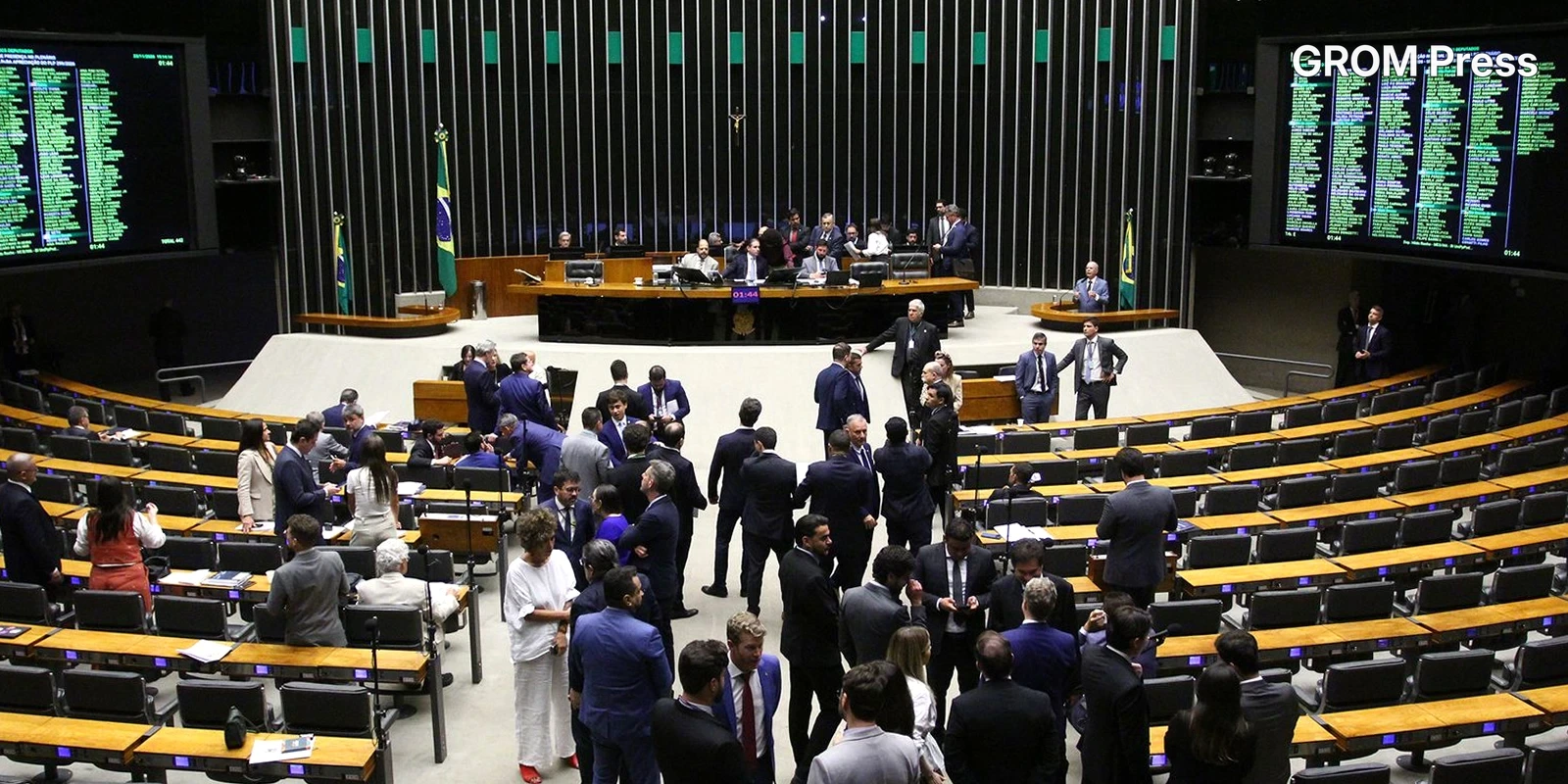
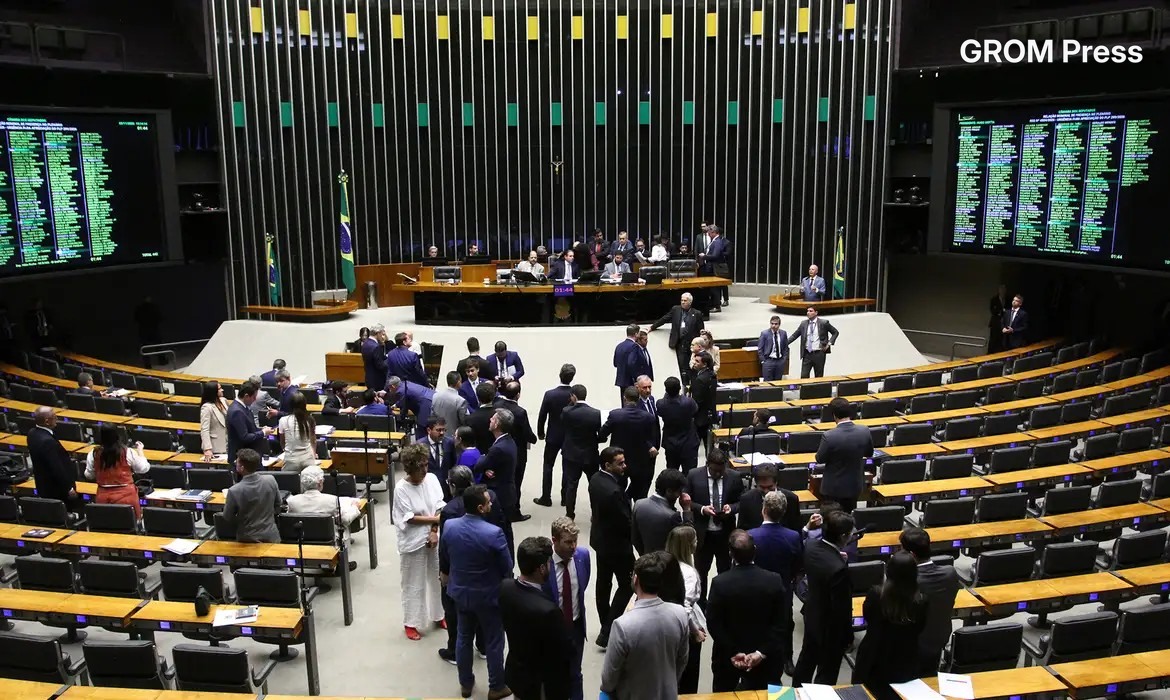
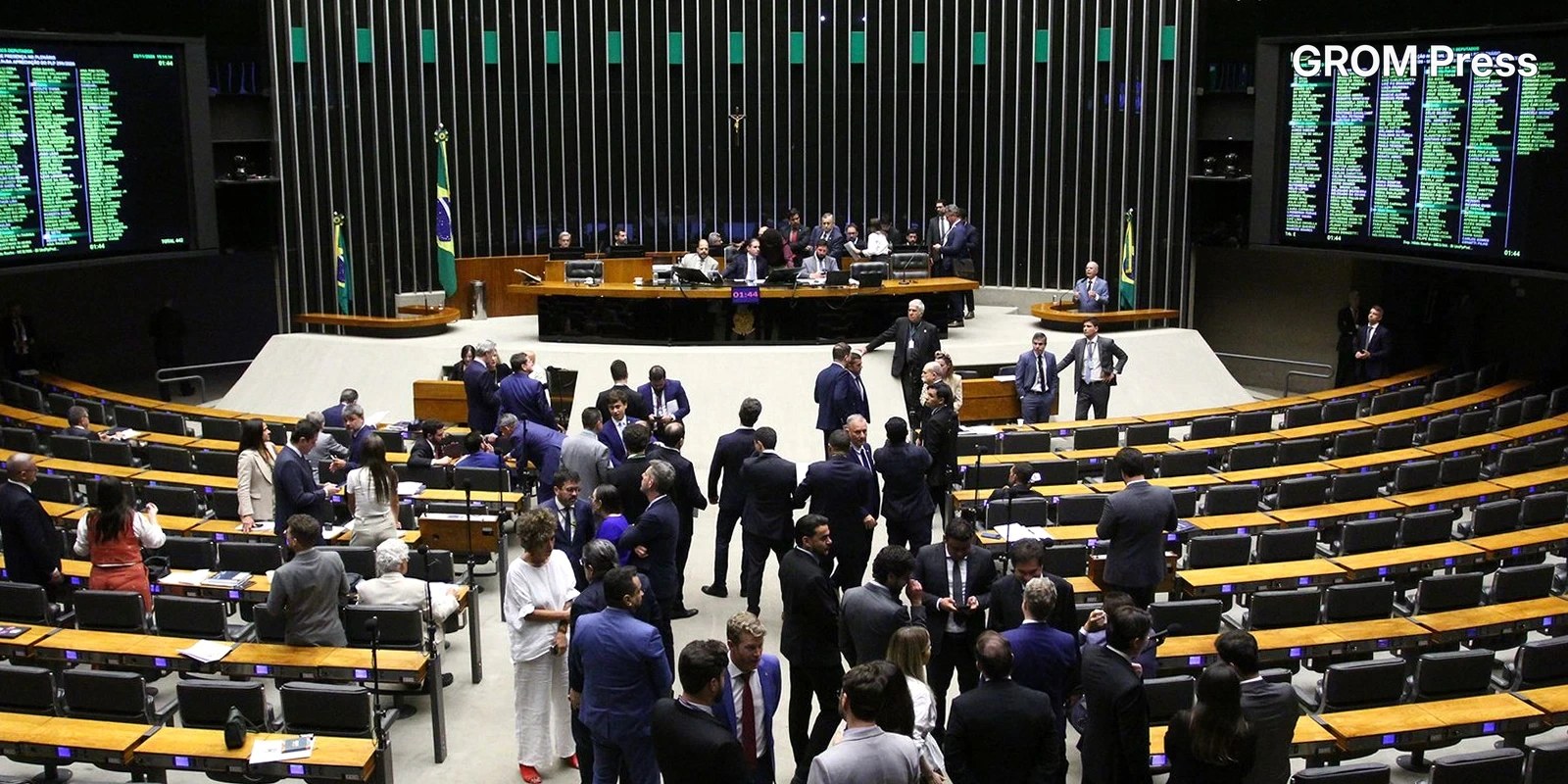
The Chamber of Deputies of Brazil approved on Monday, November 23, 2026, the urgency request for voting on Complementary Bill PLP 299/26, which contains fiscal adjustment measures for public accounts. The vote resulted in 318 votes in favor, 135 against and six abstentions. The approval means the text will be voted directly in plenary without needing to pass through the chamber's committees. Deputies began discussing the bill immediately after the vote.
The urgency request was made by the government and parties of the governing coalition during an extraordinary session convened to analyze the proposal. Deputy Hildo Rocha of MDB from Maranhão argued that approving the adjustment would create space for parliament to analyze the 2027 Union Budget. He stated that without approving the Complementary Bill, and without urgency, the bill would have to pass through all committees, making it impossible to approve the 2027 budget. He said it was important for the project to be voted on that week because the year was ending and the following year's Budget Law still had to be voted.
The Senate approved the adjustment text on Wednesday, November 18, 2026. The text provides for expense reductions to achieve a primary surplus of about 18.7 billion reais. The government expects the text to be approved in the Chamber without changes.
The rapporteur of the matter in the Chamber, Deputy Mauro Benevides Filho of União from Ceará, presented a report without changes to the text approved by senators. However, by the start of the plenary session, the proposal had already received more than 50 amendments to modify the text, mostly from the opposition.
The project provides measures to reduce expenses and increase revenue, with estimated savings between 45.1 billion reais and 56.1 billion reais in 2027. The projection considers both revenue increase and expense control and refers to the primary result, the difference between what the government collects and what it spends before paying debt interest.
Among the items in the text is a change in the fiscal framework to allow the government to make additional expense blocks to achieve the fiscal target and, starting next year, reduce the spending growth limit above inflation from 2.5 percent to 2 percent in years when containment measures are adopted.
The project also reduces tax benefits, allows postponing part of the transfers to states and municipalities provided for in the Kandir Law, and establishes a 120-day deadline for Congress to regulate payments above the public service ceiling, currently 46.3 thousand reais.
The text approved by the Senate provides for annual transfers of 2 billion reais from the Union to states, based on the Kandir Law, between 2028 and 2030. In the original fiscal adjustment proposal, the government reduced this transfer from the current value of 4 billion reais to 1 billion reais per year, and postponed the remainder of the payment in installments between 2031 and 2037. The change was the result of an agreement with the opposition. The measure addressed a concern of governors, who would have fewer federal budget resources as compensation for the Kandir Law.
The Kandir Law, in force since 1996, exempted exporting companies of agricultural and industrialized products from paying ICMS, a state tax, with the objective of stimulating exports and competitiveness of Brazilian products. Because the exemption harmed state revenue, the Union was to guarantee compensations, which never occurred regularly. Since 2020, however, Complementary Law 176 ensured federal government transfers to states in the amount of 4 billion reais per year until 2037. The tax reform promulgated in 2023 eliminates ICMS and maintains the exemption for products destined for export.









Comments
No replies yet. Start the discussion.
Sign in to reply