
Brazilian lawmaker Monica Seixas denied entry to Israel and deported after more than seven hours at Ben-Gurion airport
São Paulo state deputy Monica Seixas (PSOL-SP) was denied entry to Israel on Sunday, 22 November, and held at Ben-Gurion International Airport for over seven hours before being deported to Italy. She said she was travelling to the West Bank to join an international parliamentary delegation for the olive harvest. She attributed the denial to her pro-Palestine political position and said Israeli authorities searched her online, insulted her, separated her from her companion, and initially refused a translator. Israel’s embassy in Brazil did not respond to Agência Brasil.
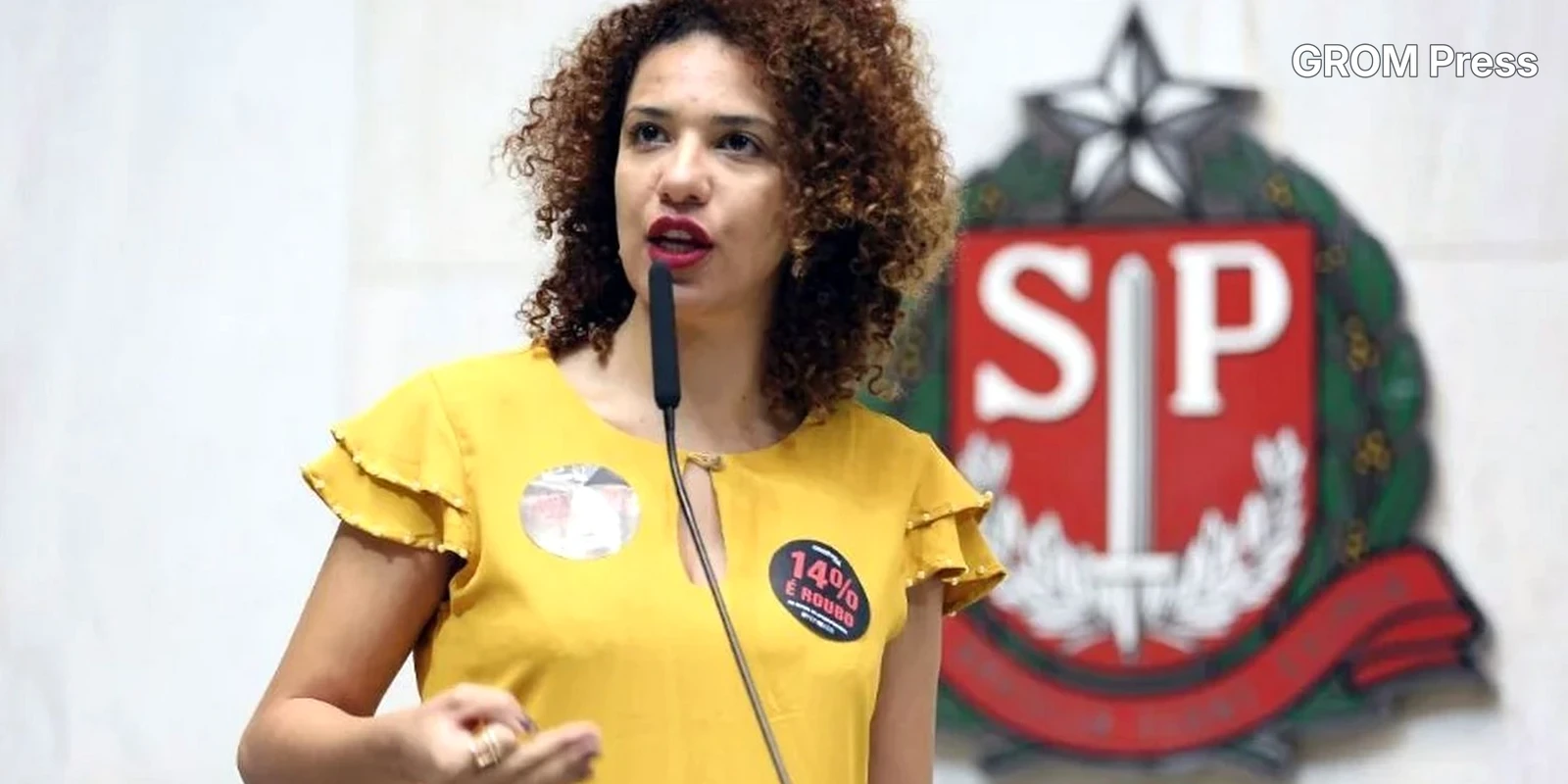
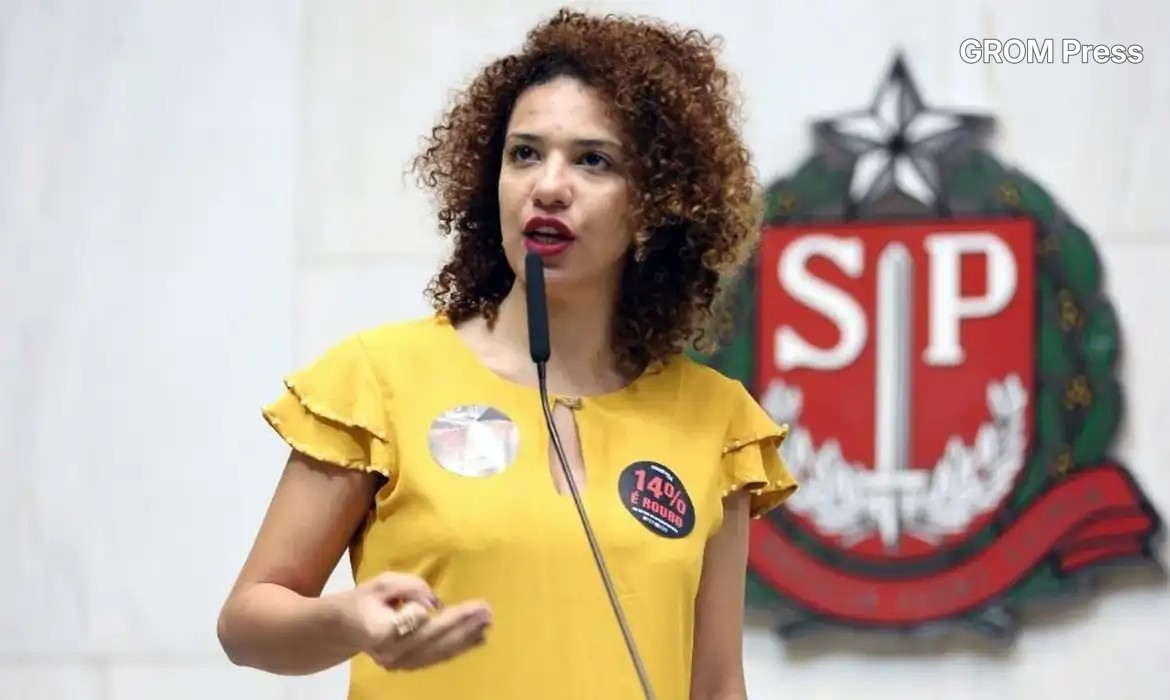
São Paulo state deputy Monica Seixas, representing the PSOL party, was denied entry to Israel on Sunday, 22 November, after arriving at Ben-Gurion International Airport. Her final destination was the West Bank, where she planned to join a delegation of parliamentarians from other countries to observe the olive harvest.
Seixas told the Empresa Brasil de Comunicação (EBC) that she was subjected to hostile treatment and detained at the airport for more than seven hours before Israeli authorities refused her entry. She said she was eventually deported to Italy and required assistance from the Brazilian embassy there.
According to Seixas, Israeli officials searched for her on the internet, identified her pro-Palestine political stance, and began insulting her. She said that three people in the room, who had previously claimed not to understand her, began speaking what she described as “portunhol” and directing insults at her. She was separated from a person accompanying her, who was able to proceed to the West Bank. Seixas said she was questioned about various matters in a room and that her request for a translator was initially denied. She stated that she obtained a translator only after contacting the Brazilian embassy in Israel.
Seixas said officials questioned her about her income and noted that she and all the Black people in the same room were being held. She said she showed black credit cards, dollars in her bag, hotel reservations, and her lack of intention to remain in Israel, and even opened her bank account to display her balance and reserved dollars. She said officials then asked her to prove her employment connection. After she presented her payslip, officials saw that she was a Brazilian deputy and searched her profile on social media.
Before departing, Seixas posted a video on social media explaining the purpose of her trip. She said she was travelling to the West Bank because it was experiencing its worst and most violent moment, and questioned whether she would be able to enter. She criticised Israel’s control over entry to and exit from Palestinian territories, describing it as illegal.
Seixas said Israeli settlers have been destroying Palestinian olive plantations in the West Bank with the aim of expelling Palestinians and expanding Israeli territory. She said settlers are burning plantations, cutting down olive trees, and expelling Palestinians from their homes. She said there is great difficulty in following coverage of what she described as a moment of serious human rights violations because Israel controls the West Bank.
The annual olive harvest is an important moment for the Palestinian economy, and attacks on plantations threaten food security and the livelihoods of Palestinians in the region.
According to the United Nations, 178 attacks by settlers linked to the 2025 harvest were recorded in 88 Palestinian villages and towns in the West Bank, the highest number of affected localities since 2020.
The report includes historical background: in 1948, with the creation of the State of Israel, more than 700,000 Palestinians were expelled from their lands. Many of these families or their descendants live in Gaza or in settlements in the West Bank. Unlike Israel, a Palestinian state was never created, as envisaged by the UN resolution that suggested dividing Palestine between two states. After several wars and Palestinian uprisings against the occupation of their historic territories, the Oslo Accords were signed in 1993, providing for the creation of a Palestinian state. The commitments were never fulfilled, and since then the occupation of the West Bank by Israeli settlers has continued to increase, a measure considered illegal under international law.
Agência Brasil sought comment from Israel’s embassy, but the embassy had not responded by the time the report was closed.










Comments
No replies yet. Start the discussion.
Sign in to reply