
How to keep a battery-powered video doorbell charged in winter
Cold weather reduces lithium-ion battery performance in video doorbells. Experts recommend bringing the doorbell or its removable battery indoors to warm to room temperature before charging, keeping a charged spare where available, and positioning the device to block wind or catch sunlight. Devices may stop charging or working at temperatures down to -4 degrees Fahrenheit (-20 Celsius), and a wired doorbell may be the best option in persistently freezing climates.
Battery-powered video doorbells can lose significant battery life in prolonged cold weather because of the chemistry of lithium-ion technology, according to the report. The ideal charging range for these batteries is between 50 and 86 degrees Fahrenheit, or 10 to 30 degrees Celsius. Charging below freezing can cause metallic lithium to plate onto electrodes, permanently reducing capacity, while charging just above freezing is less efficient than it could be.
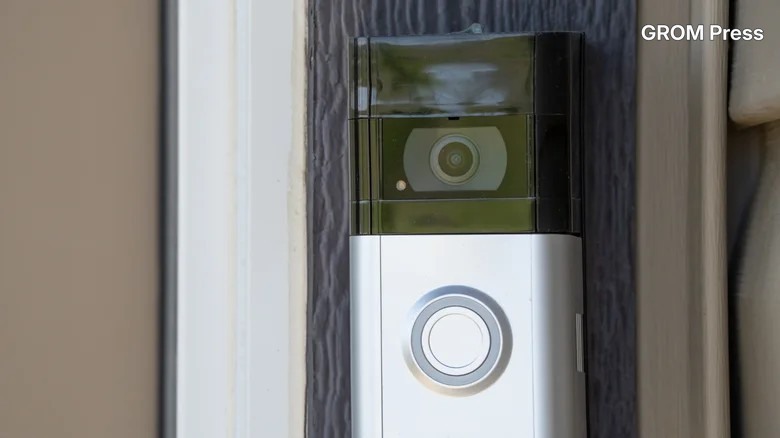
Before charging, the battery should be allowed to warm up to room temperature to preserve capacity and avoid cold-related charging delays. A Ring battery can take as long as 10 hours to top up, so the report advises charging fully before returning the doorbell outside. Models with removable batteries, including some in Ring's updated battery-powered doorbell lineup, feature quick-release packs that make swaps easier and minimize downtime when a charged spare is kept.
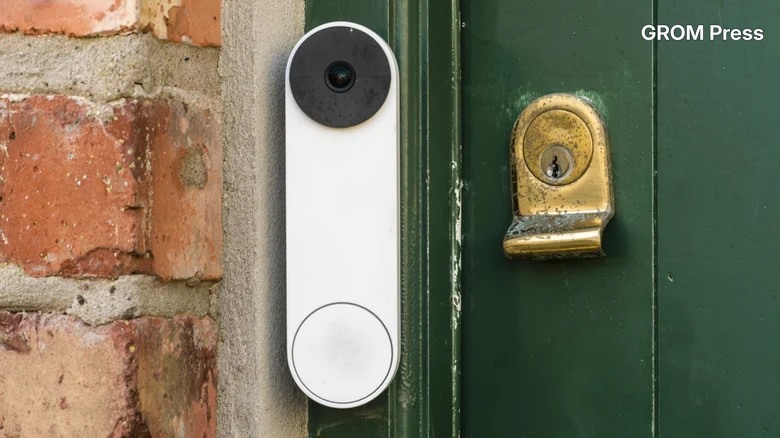
Doorbells without removable batteries, such as the battery-powered Google Nest Doorbell, must be removed and brought indoors for recharging. Because a recharge may take several hours, overnight charging is suggested unless the user is concerned about security and lacks other cameras covering the front of the home.
In borderline winter climates where temperatures only occasionally dip below freezing, battery life may be extended by aiming or sheltering the doorbell to block wind or maximize sunlight, allowing the device to run warmer naturally.
Anker, Ring, Google and others agree on a minimum operating temperature of -4 degrees Fahrenheit, or -20 degrees Celsius. Between that temperature and the freezing point, devices may still refuse to charge to prevent lithium plating. In extreme cold, a doorbell may stop functioning entirely for the duration of the cold spell.
The report concludes that the best choice for persistently frostbitten regions may be to switch to a wired doorbell, provided one is compatible with the home's design. Wired doorbells draw on household electricity and are otherwise immune to cold, though they may still encounter problems around the -4 degrees Fahrenheit mark.




Comments
No replies yet. Start the discussion.
Sign in to reply