
Licence-free microcars double in Europe as teenagers and rural drivers switch from mopeds
Sales of small licence-free cars in Europe have doubled to about 60,000 over the past five years, according to the report. In France registrations rose from about 13,000 in 2019 to around 25,000 last year. The market shift follows stricter EU rules on motorised two-wheelers, which made mopeds and small scooters nearly disappear since 2020. Teenagers now account for a quarter of all mini-car sales, and more than 67% of new licence-free cars are expected to be electric in 2026, according to market analyst Marie-Laure Nivot of AAA Data.
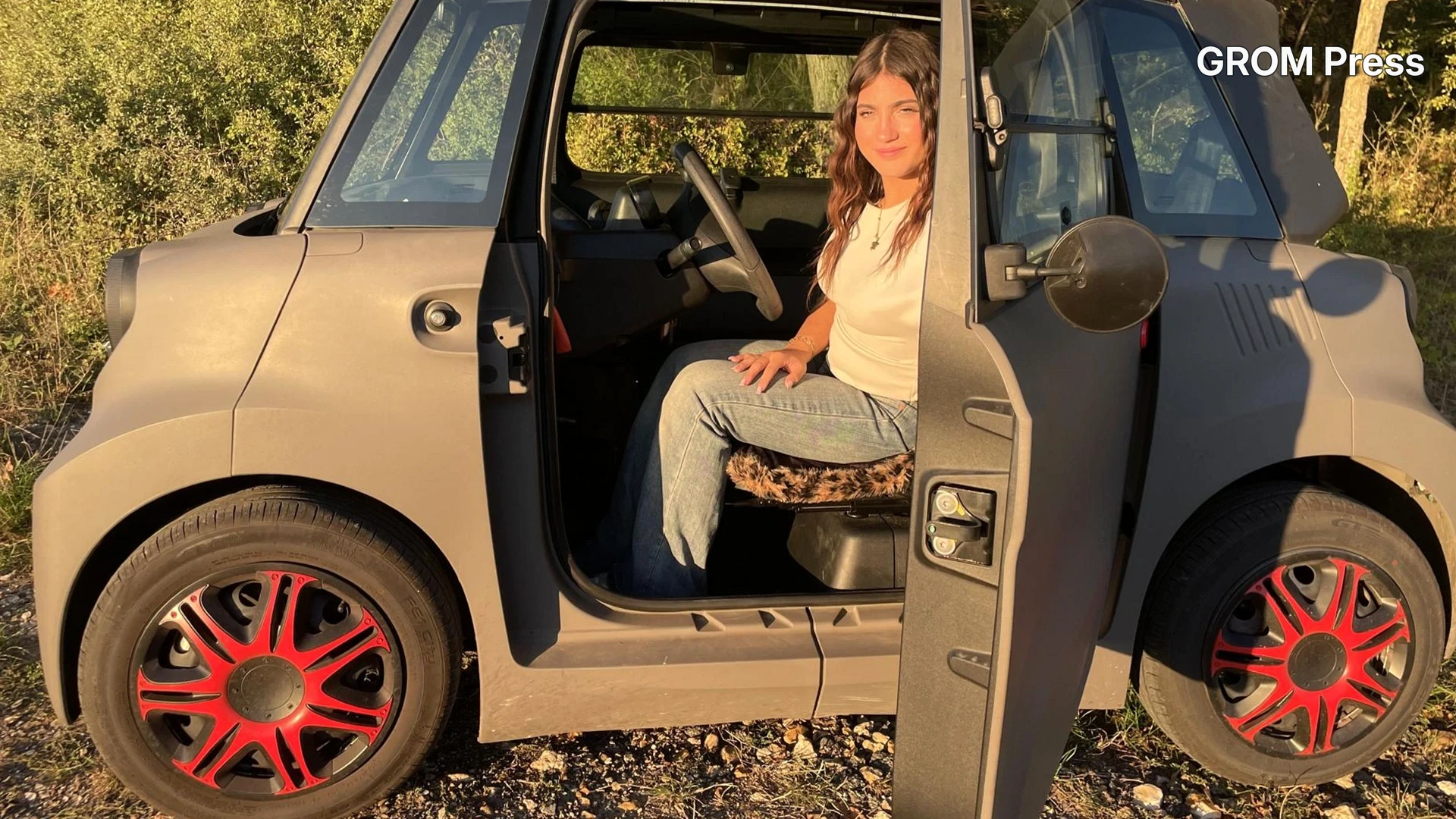
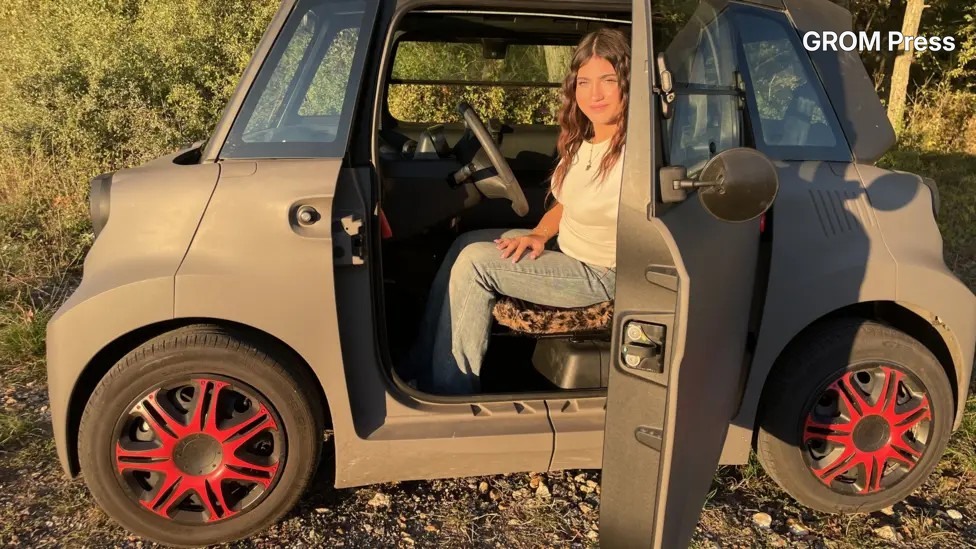
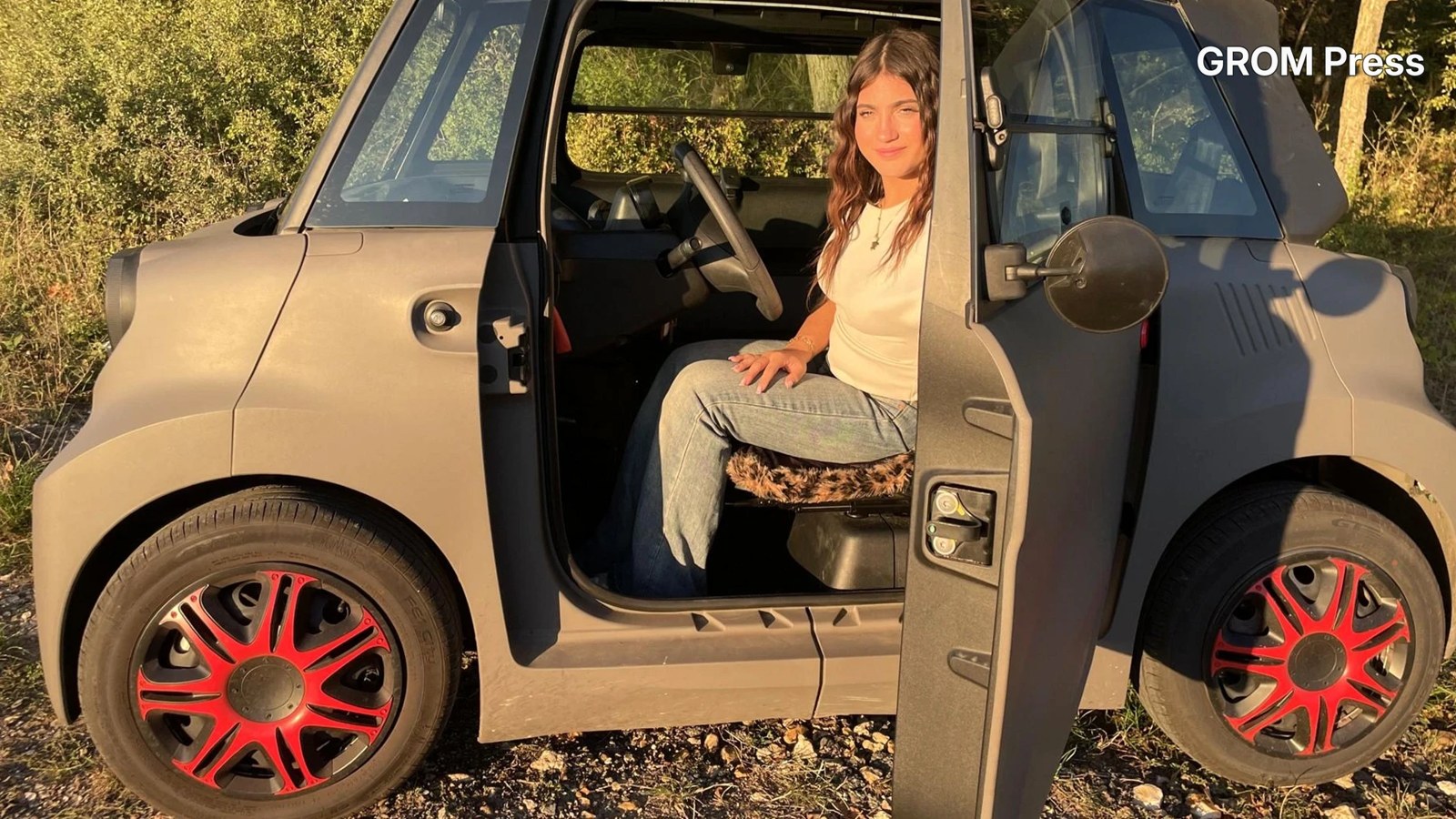
Selena Buse, 16, drives a Citroën Ami to school and to visit friends on weekends in a rural area of France. She says the vehicle is indispensable where she lives. In France, drivers as young as 14 can operate such cars with a road safety certificate and eight hours of training. Italy has the same minimum age, while Germany and Spain set it at 15 and the UK at 16. The vehicles are classified as motorised quadricycles, also described as four-wheel mopeds, and have a top speed of 45 kilometres per hour, or 28 miles per hour. They are forbidden on motorways.
Registrations in France increased from about 13,000 in 2019 to around 25,000 last year. Across Europe, sales rose from 30,000 to 60,000 over the past five years. The Citroën Ami, launched in 2020, is credited with changing the image of the segment, and teenagers now represent a quarter of all mini-car sales.
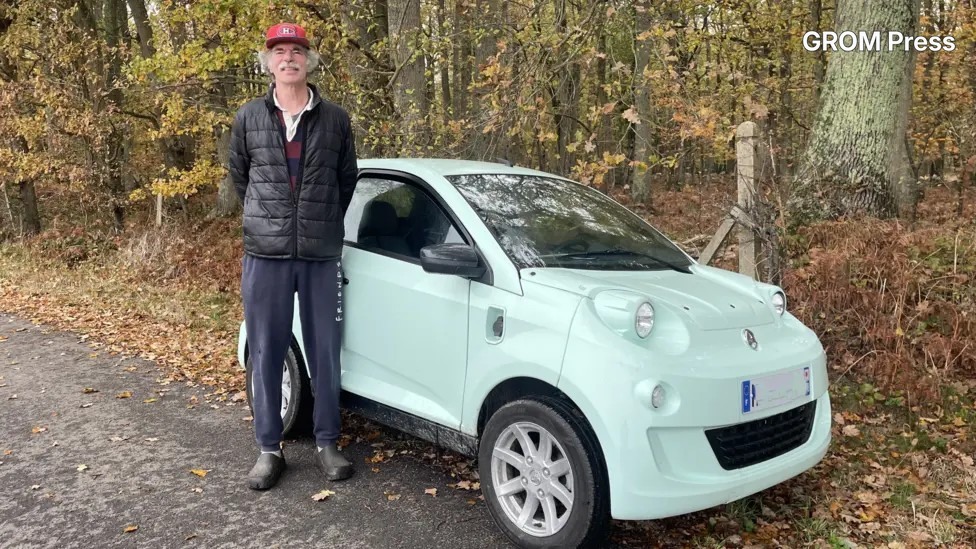
Daniel Laprès, 77, of Canadian nationality, drives a micro-car made by Aixam, described in the report as a French firm and market leader. He and his wife moved from Paris to a country village two years ago. After failing to exchange his foreign licence for a French one in time, he lost the right to drive. He says taxis proved disastrous and that the licence-free car was the exact solution: cheap, inexpensive to operate, with almost no administrative formalities and insurance available. He also says he feels less safe in the small vehicle, describing it as little more than a tin can on wheels, and that driving on national highways with a 110 kilometres per hour limit was scary because trucks and other vehicles pass quickly from behind.
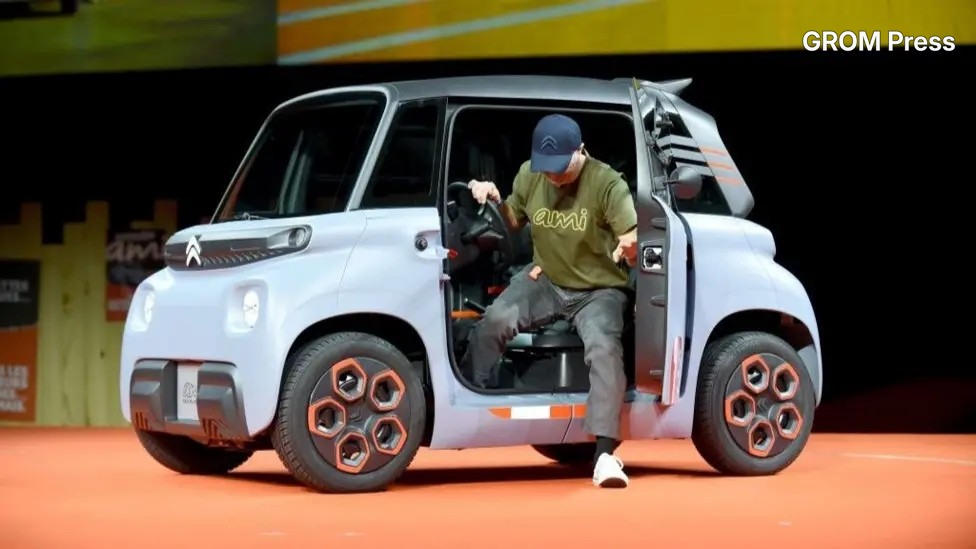
Marie-Laure Nivot, market analyst at AAA Data, says the launch of the electric Citroën Ami began the transformation of the sector, with more electric models entering the market. She states that more than 67% of new licence-free cars are expected to be electric in 2026. Nivot attributes the shift partly to stricter EU regulations on motorised two-wheelers, which she says proved too costly for manufacturers to apply, causing mopeds and small scooters to almost disappear from the market since 2020 while licence-free cars took their place.
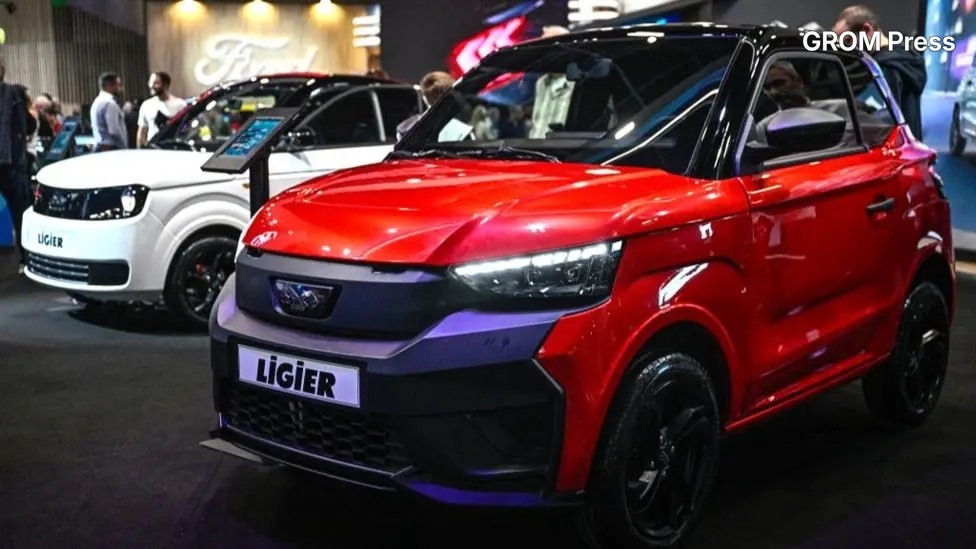
Tiny car sales rose strongly until 2024 but have flattened in France since subsidies for electric models were withdrawn. The entry of Stellantis brand Citroën into the niche helped existing French manufacturers such as Aixam and Ligier, according to Aixam sales and marketing director Tom Faget. He says the multinational gave visibility to the market and helped people understand that driving these vehicles is possible from age 14 in France and from 15 in Germany. Aixam has invested 30 million euros, equivalent to 25 million pounds or 33 million dollars, in expanding production capacity in France, and its sales are growing in other European countries even as the French market slows.
Romain Illegems, marketing director at Ligier, says the customer base has shifted from people for whom these vehicles were imposed by necessity to people who choose them. He states that teenagers now account for 40% of Ligier customers, choosing mini-cars instead of scooters or mopeds because they are perceived as safer and offer better weather protection. Selena rents her Ami for 60 euros a month plus insurance, which she calls a small price for independence.

Comments
No replies yet. Start the discussion.
Sign in to reply