
NASA+ documentary The Europa Concept tells the story of Europa Clipper’s journey to Jupiter’s moon
NASA has released the documentary The Europa Concept on NASA+, the NASA app and the agency’s website, with a YouTube release planned later. The film follows the decades-long development of Europa Clipper, the largest spacecraft NASA has sent into deep space, now two years into its five-year, 1.8 billion-mile journey to the Jupiter system to study Europa’s subsurface ocean. Work began at JPL in 2013, and the spacecraft launched on Oct. 14, 2024, after the team overcame challenges including a global pandemic and a Category 5 hurricane and tornadoes near Kennedy Space Center just before launch.
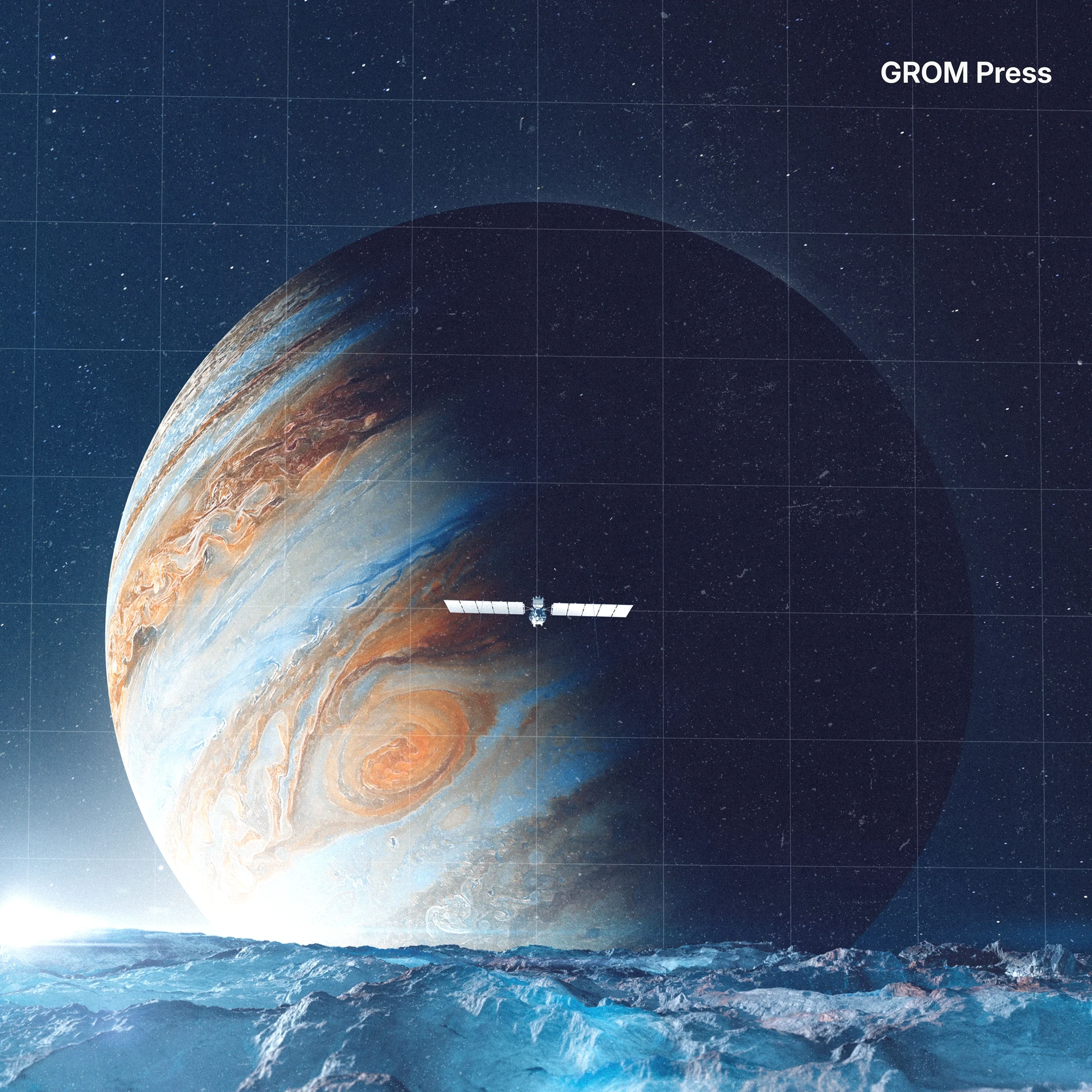
NASA has released its newest documentary, The Europa Concept, on NASA+, the NASA app, and the agency’s website. The film will also come to YouTube at a later date. NASA invited audiences to follow the story of Europa Clipper from an early vision to a deep space exploration mission.
The documentary follows the work of engineers and scientists who developed the mission and built a spacecraft able to survive one of the harshest radiation environments in the solar system. That radiation comes from Jupiter’s powerful magnetic field and may have helped create a potentially habitable environment on Europa.
Europa Clipper is the largest spacecraft NASA has ever sent into deep space. It launched on Oct. 14, 2024, and is now two years into a five-year, 1.8 billion-mile journey to the Jupiter system. Once there, it will conduct flybys of Europa to search for conditions that could support life in the ocean believed to lie beneath the moon’s icy surface.
Work on the mission officially began at NASA’s Jet Propulsion Laboratory in Southern California in 2013. The team spent 11 years building the spacecraft and its nine science instruments to launch during a specific window of planetary alignment. Along the way, they faced a global pandemic and, shortly before launch, a Category 5 hurricane and tornadoes near NASA’s Kennedy Space Center in Florida.
Europa has fascinated observers since Galileo Galilei discovered it in 1610. NASA’s Pioneer 10 gathered data in 1973, followed by Pioneer 11 in 1974. Voyager 1 provided the first detailed look during its 1979 flyby, with further observations from Voyager 2, Galileo, Cassini, and Juno.
Curt Niebur, program scientist in the Planetary Science Division at NASA Headquarters, said the findings from Europa Clipper could be sensational and could drive interest in future missions. Jordan Evans, director of flight projects at JPL and the mission’s former project manager, said the documentary honors the ingenuity, teamwork, and dedication behind the mission.
JPL leads Europa Clipper for NASA in partnership with the Johns Hopkins Applied Physics Laboratory in Maryland. Caltech manages JPL. The spacecraft body was designed by APL with JPL, Goddard Space Flight Center, Marshall Space Flight Center, and Langley Research Center. The Planetary Missions Program Office at Marshall handles program management, and NASA’s Launch Services Program at Kennedy managed the launch service.
The documentary was written by Kristy Hutchings. The media contact is Matthew Segal at JPL in Pasadena, California.



Comments
No replies yet. Start the discussion.
Sign in to reply