
Voices of Pompeii: What the Ancient City's Residents Wrote on the Walls Before the Vesuvius Eruption
Election slogans, love confessions, complaints about neighbors, and even jokes about the inscriptions themselves. The walls of Pompeii preserved the living speech of a Roman city better than any chronicle.
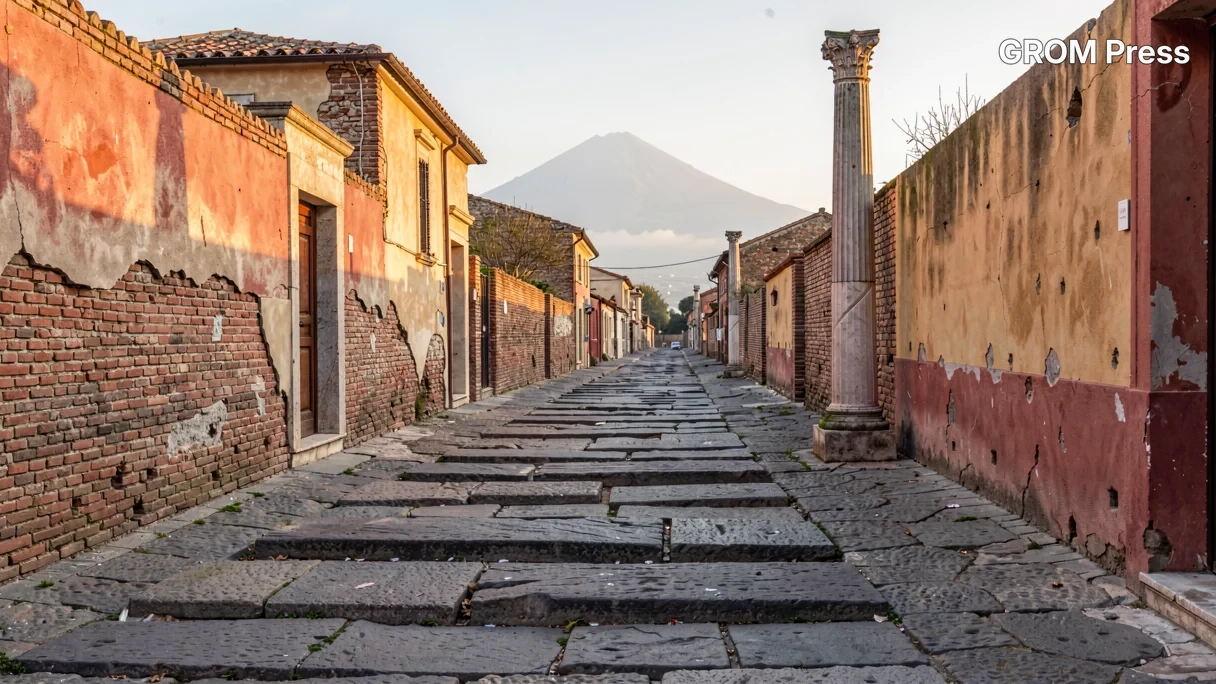
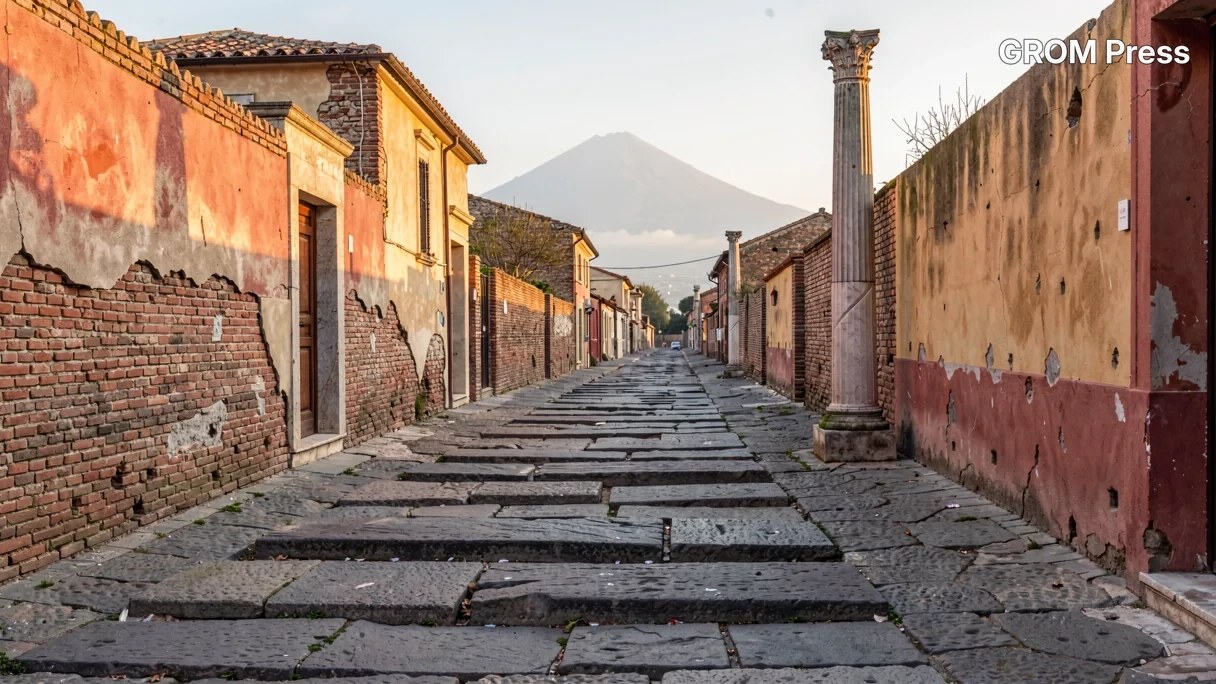
Imagine you are walking down a street in Pompeii in the summer of 79 CE. The walls of the houses around you are colorful with inscriptions. Large red letters urge people to vote for a candidate for aedile. Below, someone has scratched the name of a beloved girl. Next to it is an announcement of gladiatorial games, and at the entrance to a tavern a visitor has slyly evaluated the local wine. A few months later the city will be buried under the ash of Vesuvius, and that is why today we can read all this almost as the Pompeians themselves read it.
Usually history conveys to us the voices of emperors, generals and poets. Pompeii offers a rare opportunity to hear ordinary people: merchants, slaves, lovers, fans and bored passersby.
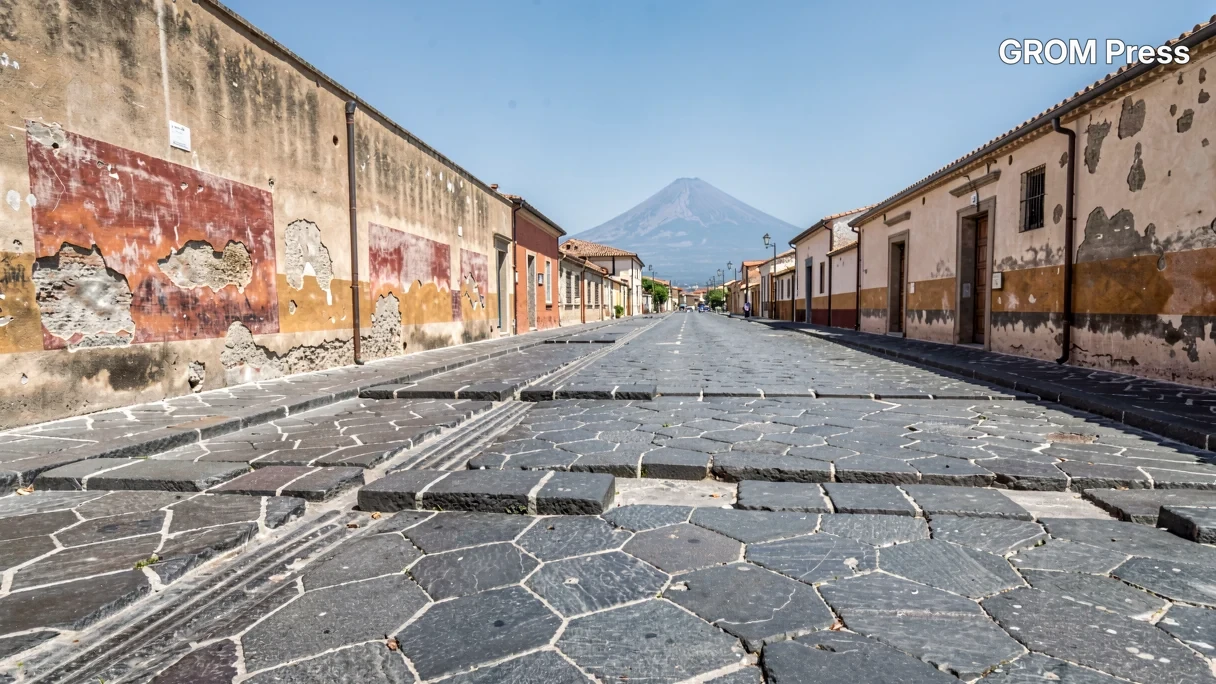
A city written from ground to roof
Archaeologists have recorded thousands of inscriptions in Pompeii and neighboring cities, by various counts more than ten thousand. They have been collected in a separate volume of the great corpus of Latin inscriptions, and work on it continues to this day, because excavations keep yielding new finds.
Inscriptions are of two main types. The first are executed in paint by professional scribes: neat large letters, usually red or black, on a whitewashed wall. These are announcements, a kind of outdoor advertising of antiquity. The second are scratched with a sharp object, such as a stylus or a nail, directly into the plaster. These are graffiti in the proper sense of the word, spontaneous records of passersby.
It is important to understand that for the Romans writing on walls was not vandalism in the modern sense. Inscriptions are found inside wealthy houses, in atriums and corridors, sometimes next to exquisite frescoes. Apparently, the owners treated them calmly, as part of everyday life.
Elections, games and advertising
The most noticeable group of inscriptions is related to elections. Every year in Pompeii city magistrates were elected, and the walls were covered with calls to support this or that candidate. Usually the formula was short: the candidate's name, the office and an indication of who supports him. Support was expressed by neighbors, craft guilds, such as fullers or bakers, and sometimes by quite unexpected groups. In one well-known inscription, a candidate is apparently recommended by "all the late drinkers", and scholars still debate whether this was a joke by supporters or a mockery by opponents.
Next to politics was sport. Painted announcements reported gladiatorial fights in the local amphitheater and promised viewers awnings from the sun. Scratched graffiti tell which fighters the public loved. About one gladiator, a Thracian named Celadus, someone wrote that he was the sigh of girls. Of course, this could have been written not by a girl, but by Celadus himself or his admirers.
There are also inscriptions resembling trade records: shopping lists, prices, notes on debts. There are addresses and announcements about renting out housing. There is even a notice about a lost copper vessel with a promise of a reward for its return.
Love, quarrels and jokes
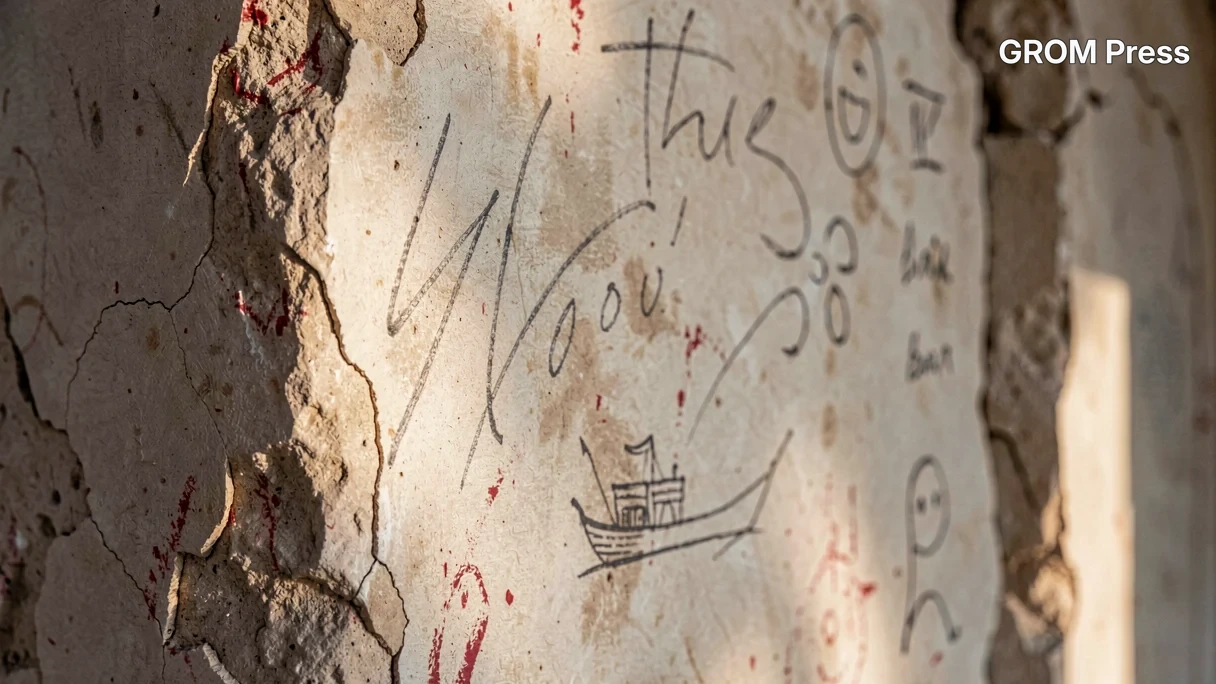
The most touching inscriptions are scratched by hand. Lovers left confessions and greetings, the abandoned complained about fate, friends passed greetings to each other. Someone reported that they had been here, sometimes with an exact date. There are lines from Virgil and other poets, sometimes with errors, which speaks of broad, though not flawless, literacy of the townspeople.
There were also vulgarities. Many Pompeian graffiti are openly indecent or offensive, and in the 19th century some such finds were carefully hidden from the public. But it is precisely this unedited nature that makes them valuable: this is how people actually spoke.
There is also a wonderful example of ancient self-ironic humor. In several places in the city, including the basilica and the amphitheater, a distich has been found that can be translated approximately as: "I wonder, wall, that you have not yet collapsed under the weight of so many boring inscriptions". It seems this was a popular joke repeated by different people.
The inscription that shifted the date of the catastrophe
Graffiti help not only to understand everyday life, but also to clarify the very history of the city's destruction. Traditionally the eruption of Vesuvius was dated to August 24, 79 CE, based on the letters of Pliny the Younger, an eyewitness to the events. However, the manuscripts of these letters have come down to us in copies with variations, and archaeologists have long noticed oddities: autumn fruits in houses, warm clothing on the dead, vessels with young wine.
In 2018, a charcoal inscription was found in one of the houses, dated to the sixteenth day before the November calends, that is, approximately October 17. Charcoal is not durable and would hardly have remained on the wall for many months. Many researchers consider this a strong argument in favor of the eruption occurring in autumn, probably in late October of 79 AD. The year is not indicated in the inscription, so the question cannot be considered fully closed, but the autumn version is very popular today.
Several facts to conclude
- A few years before the destruction, around 62 or 63 AD, Pompeii had already suffered greatly from an earthquake, and many buildings were still being repaired at the time of the eruption.
- On one of the columns in Pompeii, the famous "Sator Square" was found, a Latin palindrome that reads the same in different directions.
- The famous mosaic with a dog and a warning about it at the entrance to the House of the Tragic Poet essentially served the role of a gate sign.
- Election inscriptions were sometimes painted over in white and new ones written on top, so archaeologists find several layers of campaigning on one wall.
- Many graffiti are found at human height, and some were clearly left by children, judging by the low placement and simple drawings.
Conversation across twenty centuries
Reading the walls of Pompeii, you catch yourself on a strange feeling of recognition. People argued about politicians, rooted for athletes, complained about stingy landlords, boasted of love victories, and joked about how much is written around. If you replace plaster with a social media feed, many of these entries would easily take root today. The ash of Vesuvius stopped time on one ordinary day, and in this lies its terrible gift: we see not a formal portrait of the era, but its living, sloppy, very human everyday life.


Comments
No replies yet. Start the discussion.
Sign in to reply