
Recife hosts African animation showcase during Black Awareness Month
The Animage festival in Recife is presenting a special showcase of ten African animated short films during Black Awareness Month. The programme includes Moustapha Alassane's 1965 Nigerian film A Morte de Gandji, described by the source as considered the first animation on the continent. Curator Kalor Pacheco said the selection aimed to reveal emerging directors and move beyond Nigeria and South Africa. The festival's general director, Antonio Gutierrez, said no African films appeared among more than 3,200 competitive entries from 116 countries in one edition.
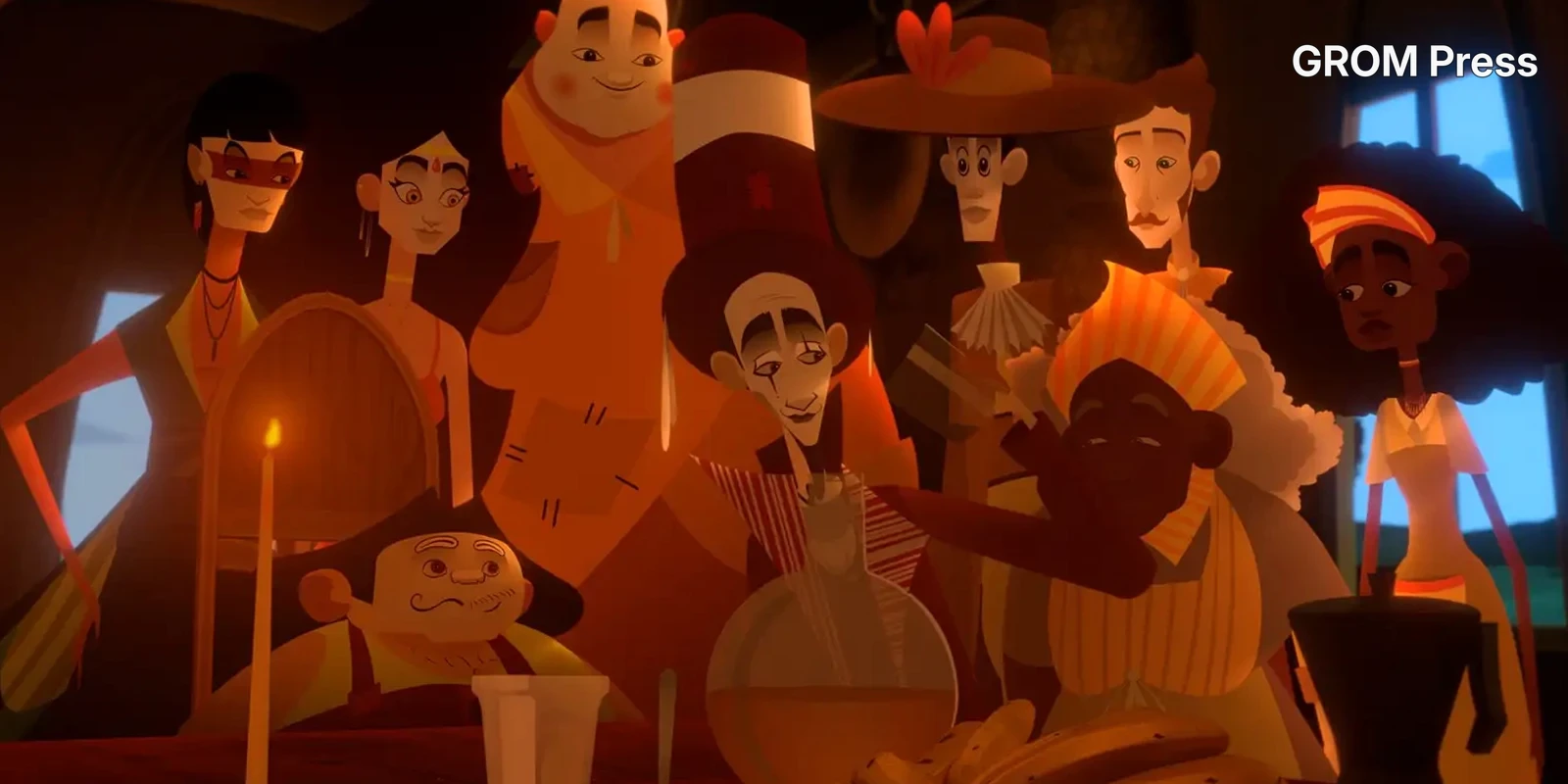
The Animage festival in Recife is presenting a special showcase of ten African animated short films during Black Awareness Month, according to the source. The programme includes works by directors from different African countries.
One of the films is A Morte de Gandji by Nigerian director Moustapha Alassane, made in 1965 and lasting four minutes. The source describes it as considered the first animation on the continent. Alassane uses frogs to build a political satire set against the backdrop of young African nations after independence, according to the report.
Curator Kalor Pacheco said the first step in making the selection was to understand the continent and its multiplicity of languages. She said the aim was to include films in training contexts, university films, and to reveal beginner directors. Pacheco added that another criterion was not to limit the selection to the continent's main film-production hubs, such as Nigeria and South Africa. She said she wanted to consider new countries, regardless of whether a film had gone to the Annecy Animation Film Festival in France, was an independent production for a YouTube channel, or was an animation for an exhibition, installation or video art. The source describes Annecy as the world's main event dedicated to animation.
Animage general director Antonio Gutierrez said the idea for an African showcase arose from the perception that productions from the continent were missing. He said that in one edition the festival received more than 3,200 entries from 116 countries for the competitive short-film showcase, and when the origin of the films was mapped, there was nothing from the African continent.
Outside the special African showcase, other African films and indigenous films appear this year in Animage's competitive short-film showcase. One of them is Planos (2026) by Angolan director Jesualdo Mavuna. Mavuna took part in last year's African showcase with the film 50 Kwanzas. Pacheco said the wish is that films by African directors can compete in international competitions and markets, and not remain restricted to special showcases.
The festival also brought a Colombia showcase this year, with films by directors from the South American country. There is also a special feature-film programme including As Aventuras do Príncipe Achmed by Lotte Reiniger, which turns 100 years old in 2026, and Persépolis by Iranian director Marjane Satrapi, who died in June of this year.
Another special feature is the Brazilian film Amadeo e o Hipotético Mundo Novo by Brenda Lígia and Edu Felistoque. The film tells the story of Amadeo, a young African genius who invented the photographic camera before Europeans. It will be screened tomorrow, 28 November, during the Animage festival and will premiere in commercial cinemas on 3 December.
Brenda Lígia, one of the film's directors and a Black woman, said the screenplay arose from a reflection on the historical erasure of Black men and women responsible for inventions that contributed to humanity. She said that in school Black history is studied only as victims of slavery and that it is time to change that view. She also stressed that cinema, animated or not, needs to be made by people with plural perspectives. According to Brazil's National Cinema Agency, Ancine, 94 percent of films with a public budget above R$5 million were directed by white people.


Comments
No replies yet. Start the discussion.
Sign in to reply