
Rice University scientists produce synthetic graphite from petroleum coke in 0.2 seconds
Researchers at Rice University in Houston have developed a method to make synthetic graphite from petroleum coke using a single electric pulse lasting 0.2 seconds. The material retained 80 percent of its capacity after 1,000 full charge-discharge cycles in a laboratory battery and supported charging equivalent to four minutes. The team estimates the process could cut energy use and greenhouse-gas emissions in graphite production by more than 80 percent compared with conventional methods.
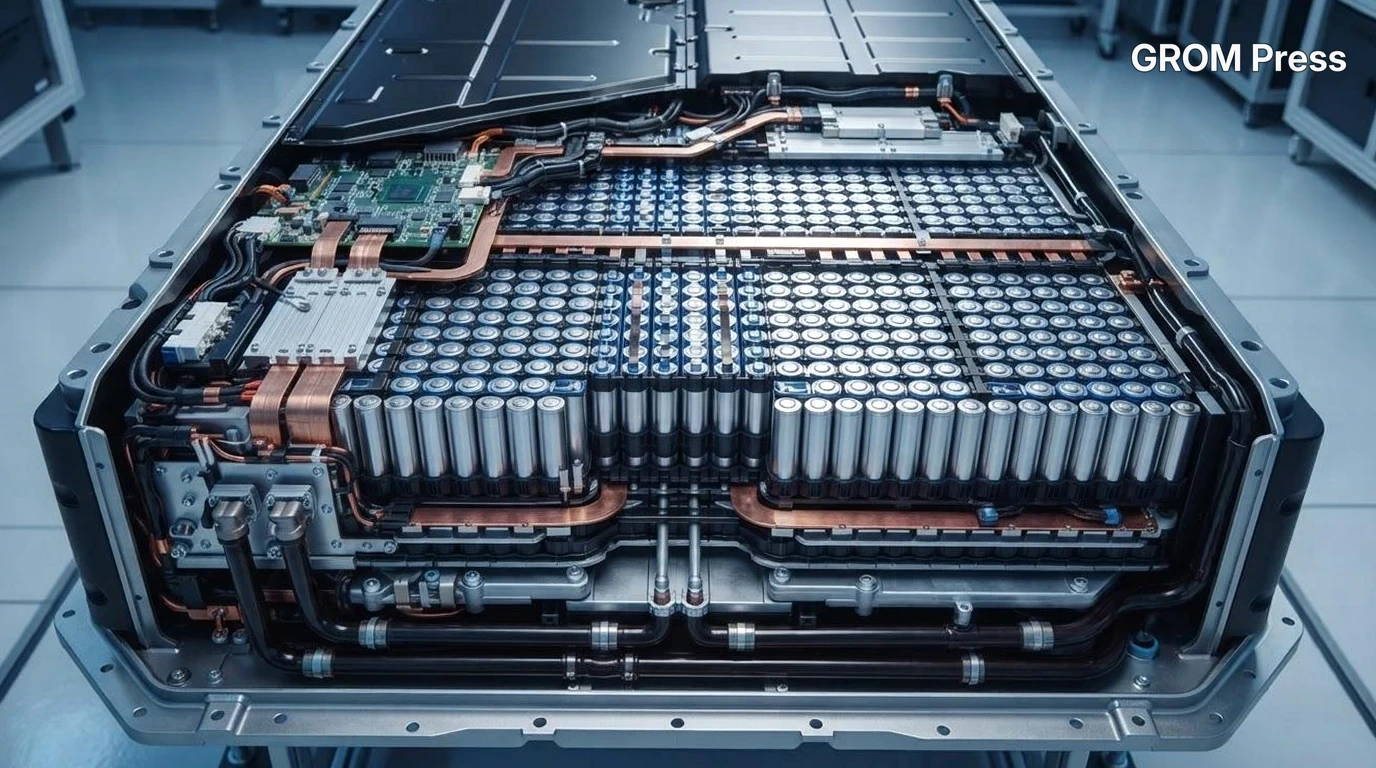
Researchers at Rice University in Houston have developed a way to produce synthetic graphite from petroleum coke in just 0.2 seconds using a single electric pulse, according to the university’s research group. The starting material is petroleum coke, a cheap byproduct of oil refining. The scientists added a small amount of a nickel compound to the coke and then subjected the mixture to a powerful electric pulse. Within fractions of a second, the temperature reached about 2,500 degrees Celsius, causing carbon atoms to organize around tiny nickel particles into an ordered layered graphite structure with relatively few defects.
The first author of the study, postdoctoral researcher Haozhe Zhu, explained that nickel acts almost like a temporary builder, helping carbon atoms arrange into the ordered layered graphite structure. He said traditional synthetic graphite production requires prolonged heating at very high temperatures, while the new technology achieves the required structure in two tenths of a second. The researchers noted that excessively high temperature causes significant nickel loss, while insufficient heating results in less ordered graphite.
In laboratory tests, the resulting material performed better than conventional graphite during fast charging of a laboratory battery. The researchers attributed this to a slight increase in the distance between graphite layers, which allows lithium ions to penetrate the anode structure more easily. The battery retained 80 percent of its initial capacity after 1,000 full charge and discharge cycles. The improved characteristics remained after more than 99 percent of the residual nickel was removed, which the researchers said confirms nickel’s role specifically in forming the material structure.
The research group estimates that the new method can reduce energy consumption and greenhouse-gas emissions in graphite production by more than 80 percent compared with traditional technologies, because it eliminates prolonged high-temperature processing. The developers believe the technology could make electric vehicle batteries cheaper and more environmentally friendly and speed up charging. The material demonstrated the ability to withstand a fast-charging regime equivalent to recharging a battery in four minutes.
The source image was generated by AI Gemini, according to the provided material.


Comments
No replies yet. Start the discussion.
Sign in to reply