
Russian regions cut C-section targets, women report pressure to give birth naturally
At least 11 Russian regions have introduced programmes to reduce caesarean sections by 2030, with targets ranging from 28 percent in Dagestan to 33 percent in Yakutia. Women interviewed by Novaya Gazeta Europa say doctors refused or delayed C-sections even when they had medical indications, including cases in Vladimir and Leningrad regions. A former State Duma deputy and a parliament vice-speaker have asked the Health Ministry to ensure that medically necessary operations do not harm maternity ward statistics or doctors’ pay.
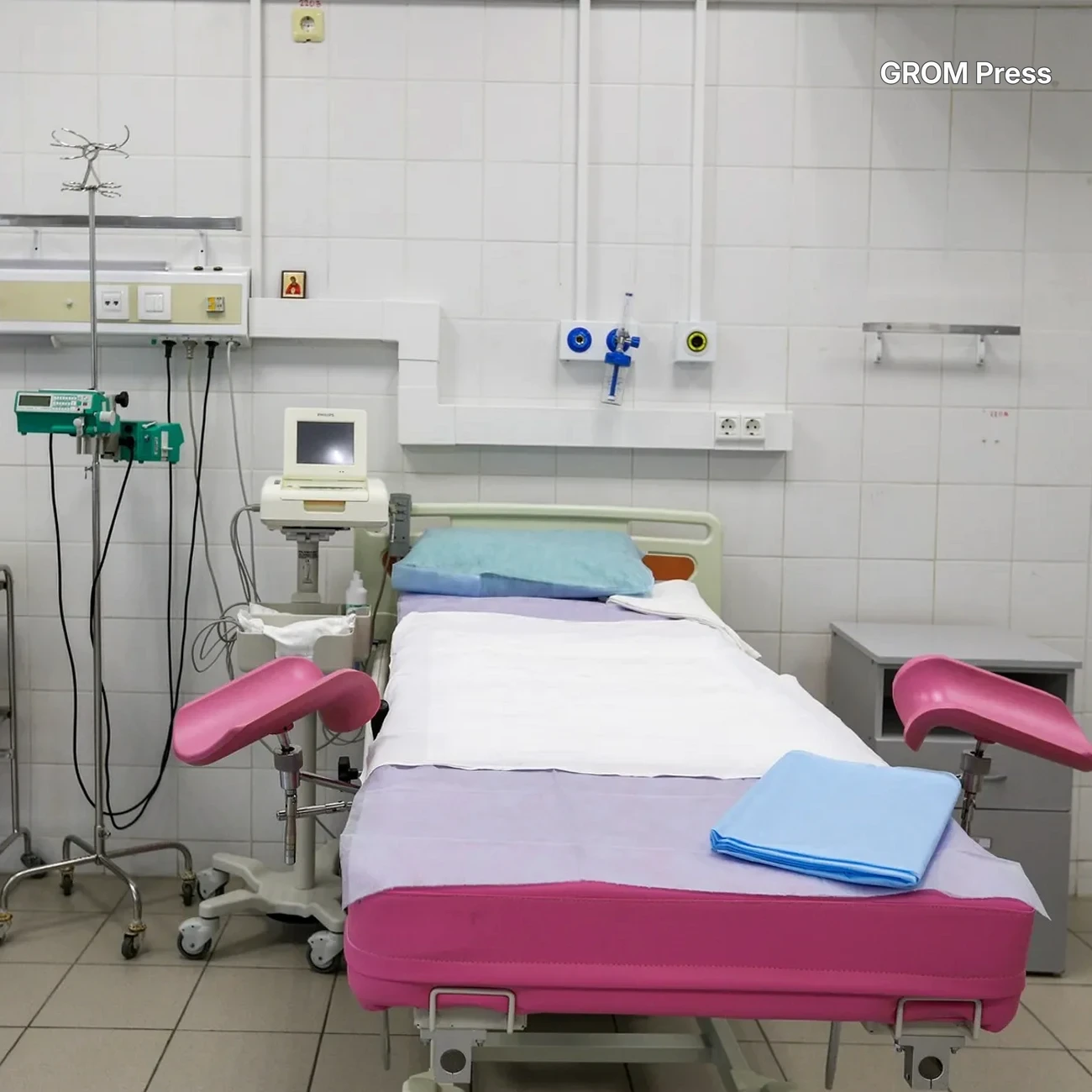
At least 11 regions of Russia have adopted programmes aimed at reducing the number of caesarean sections, according to reporting by Novaya Gazeta Europa. The recommendations appear in regional maternal and child health programmes, which operate in 89 regions of Russia. The regions want to lower the C-section rate by 2030, but the targets differ: Yakutia has set a goal of 33 percent, Omsk region 30 percent, and Dagestan 28 percent. Doctors are advised to hold explanatory conversations with pregnant women to encourage natural childbirth when there are no contraindications.
In practice, women say they have faced refusals or delays even when they held medical documents supporting a C-section. Angelika, whose name was changed by Novaya Gazeta Europa, gave birth in November 2025 in a region neighbouring Vladimir region. She said she came to a doctor before delivery with documents about her illnesses, but was not examined and was told she would give birth naturally. In the neighbouring region, doctors told her that a C-section was the only option. She said natural birth would be dangerous for her and her child and that the risk of death would be significantly higher.
Vera, whose name was also changed, gave birth in early November at the Leningrad region perinatal centre in Gatchina. She said she had documents stating that the child was large and would not pass through the birth canal. She endured 20 hours of contractions before doctors agreed to a C-section. She said doctors kept her until the child became stuck and told her she was not pushing properly. Her husband, who was present at the birth, insisted on the operation. She said that without him, doctors might have continued trying to deliver the child naturally. Doctors have already established that the boy does not hear in one ear; Vera said she tries not to think about possible consequences for her son.
Complaints about pressure from doctors also come from regions where there are no written recommendations to reduce C-sections.
In Russia, C-sections can be performed only for medical reasons. The Health Ministry has been oriented toward reducing the number of such operations since 2019, but in reality the number of operations is growing. An anonymous obstetrician-gynaecologist working at a maternity hospital in the Tuapsinsky district of Krasnodar region confirmed the reduction plans in a conversation with Moskovsky Komsomolets. She said the goal was not to refuse C-sections in principle, but to reduce operations performed without medical indications, such as those done for money under private arrangements. She said there had been a particular fashion for C-sections in the republics of the North Caucasus, where any money was paid for the operation. If there were no official indications, doctors would document that the patient had been brought by ambulance with acute pain. She said unjustified operations lower the indicators of the entire maternity ward, and lower indicators mean lower salaries and lost bonuses for everyone.
Some activists and public figures in Russia are concerned that the pursuit of statistical indicators may influence doctors’ decisions. Ksenia Goryacheva, a former State Duma deputy from the New People party, and Vyacheslav Davankov, vice-speaker of the lower house of parliament, addressed the Health Ministry and asked to establish a clear rule: if an operation is needed for medical reasons, it should not worsen maternity ward statistics or affect doctors’ salaries and bonuses.
Goryacheva said that over the past 20 years the share of C-sections in Russia has grown from a quarter to a third of all births. Novaya Gazeta Europa, citing statistics, reported that in 2024 more than 380,000 children in Russia were born by C-section, which is approximately every third birth. Goryacheva wrote that reducing the number of C-sections that can be safely avoided is the right task, but a doctor should retain the opportunity to choose what is safer for the woman and child in a specific situation.



Comments
No replies yet. Start the discussion.
Sign in to reply