
Russian researchers re-examine 9,000-year-old petroglyph on Ushkanik Island and identify it as a steppe bison
Russian specialists have re-examined an ancient petroglyph discovered nearly 90 years ago on Ushkanik Island. Earlier researchers suggested it depicted a female elk or a woolly rhinoceros, but a new analysis indicates it most likely shows a steppe bison. If the authors’ assumption is correct, the petroglyph is at least 9,000 years old. The findings were published in the journal Brief Communications of the Institute of Archaeology.
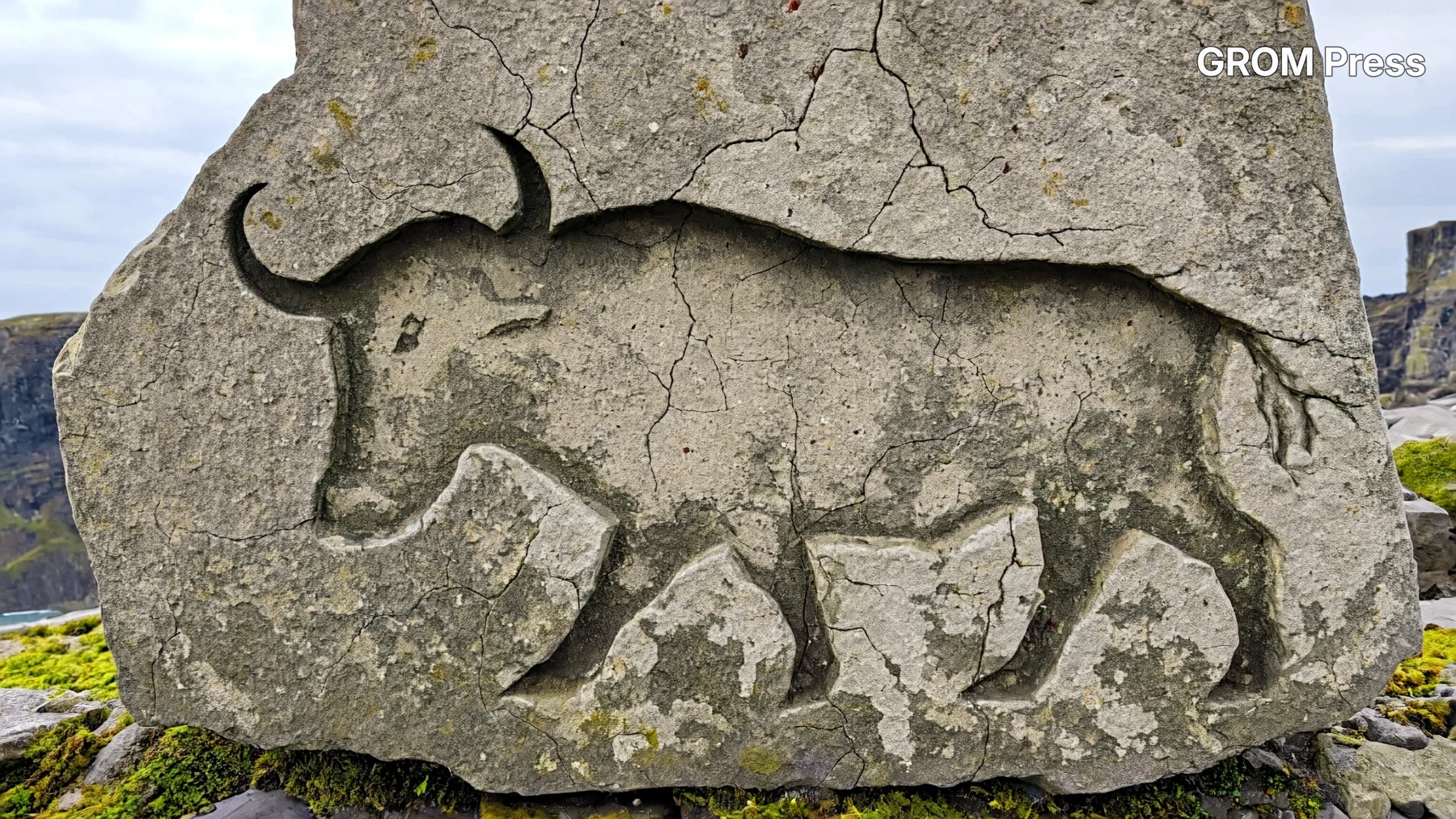
Russian specialists have re-examined an ancient petroglyph discovered nearly 90 years ago on Ushkanik Island. Earlier researchers suggested that the rock image depicted a female elk or a woolly rhinoceros. A new analysis indicates that the prehistoric artist most likely intended to portray a steppe bison.
If the authors’ assumption is correct, the petroglyph is at least 9,000 years old.
The findings were published in the journal Brief Communications of the Institute of Archaeology.
The source does not specify the names of the researchers, the exact date of the original discovery, the precise location of the petroglyph on the island, the methods used in the new analysis, or the degree of certainty of the new identification.



Comments
No replies yet. Start the discussion.
Sign in to reply