
Study profiles women inmates in Rio de Janeiro prison: mostly Black, mothers, victims of violence
A study by the Public Defender's Office of Rio de Janeiro surveyed 216 women at the Nilza da Silva Santos Women's Prison in Campos dos Goytacazes in March 2026. It found that 78.24% were Black, 76.39% were mothers, 53.3% reported domestic violence, and 44.4% reported sexual violence in childhood or adolescence. The state prison administration said it regularly provides hygiene items and distributed more than 55,000 items in 2026.
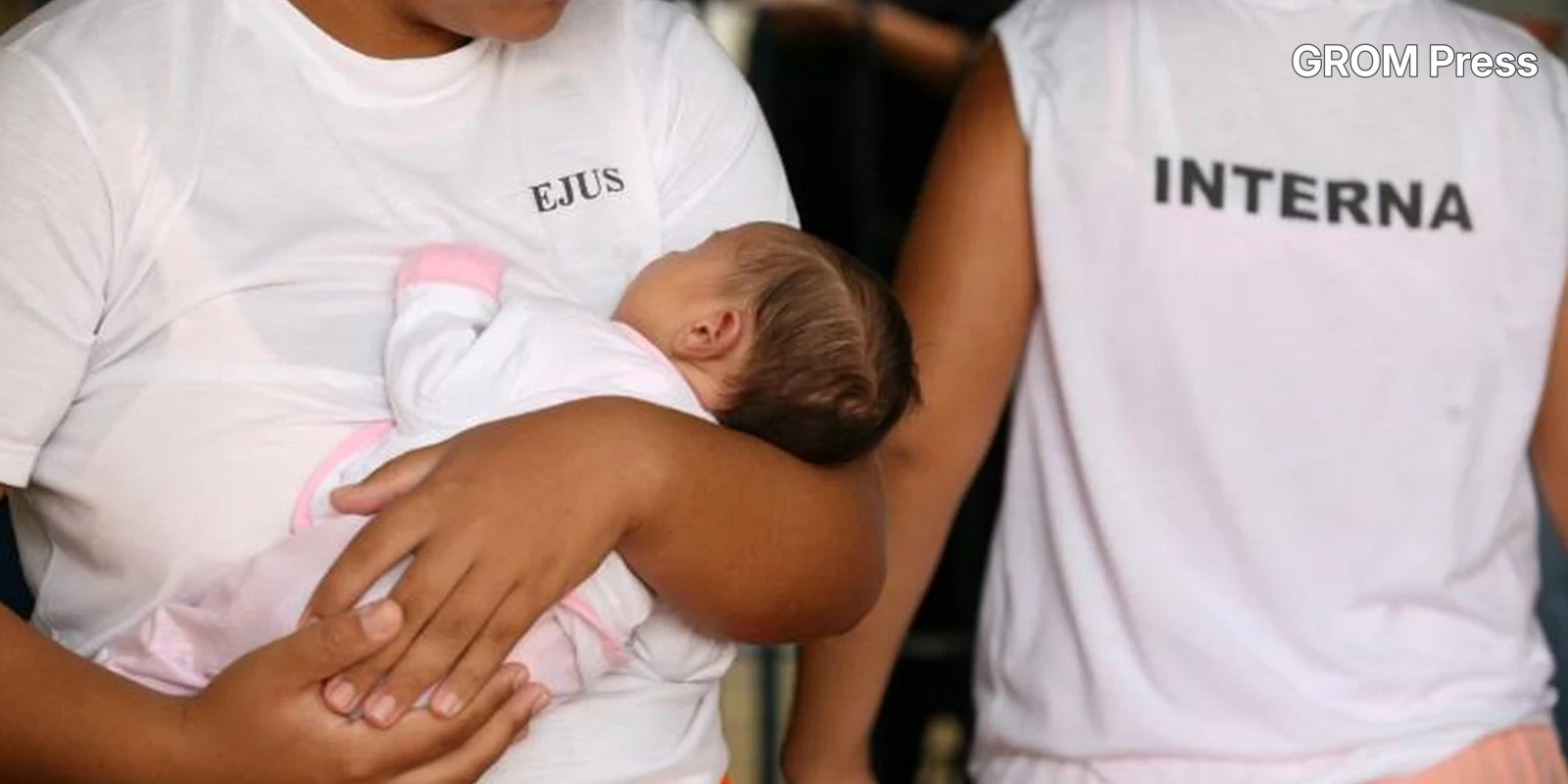
The Public Defender's Office of the State of Rio de Janeiro published a study titled Mulheres visíveis ─ Uma Luz sobre o Cárcere, based on a questionnaire answered by 216 women detained at the Nilza da Silva Santos Women's Prison in Campos dos Goytacazes, in the North Fluminense region, in March 2026. The respondents included convicted prisoners and pretrial detainees without a final conviction.
The study found that 78.24% of the women were Black, comprising 103 mixed-race and 66 Black women. This compares with 54.5% of Black women in the overall Brazilian female population. The report states that incarceration and family breakdown disproportionately affect Black women.
Most of the women were unmarried or divorced, at 72.09% and 9.77% respectively. Of the 216 respondents, 165 women, or 76.39%, said they had at least one child, totaling 444 children, of whom 167 were aged 12 or younger. Among mothers, 46% had children while still adolescents. The study also found that 82.4% of the women supported other people before incarceration, covering essential costs for food, clothing and housing.
Regarding relationships, 91 women had an affective relationship at the time of arrest, and in 47 cases the relationship ended after entering the prison system. The survey identified that 36% of respondents, or 78 women, received no visits. Among 137 mapped visiting networks, a romantic partner was identified in only seven, or 5.11%. The Public Defender's Office described this as a rupture of the reciprocity of care.
The report associates 58.88% of imprisonments with drug trafficking or trafficking association. Crimes against life accounted for 21.96%, and property crimes for 21.03%. Some testimonies indicated that affective ties influenced imprisonment, including cases where women said they were incriminated because of a partner. The study also includes accounts in which imprisonment was related to desperate reactions to a chronic cycle of domestic violence, in which the woman acted to repel physical assaults and sexual abuse against herself or her children.
More than half of the detainees, 53.3%, reported a history of domestic violence. The questionnaires indicated that 96 of the 216 women, or 44.4%, said they had suffered sexual violence in childhood or adolescence, with stepfathers and uncles the most frequently mentioned aggressors, at 19 and 17 cases respectively.
On education, less than half, 44.65%, had not completed elementary school. Three in four, 72.56%, did not have complete basic education through the end of high school, and 96 women were illiterate or had incomplete elementary schooling. Fewer than 5 per 100, or 4.65%, had at least higher education.
The research also identified deficiencies in prison conditions. It found that 68.40% of inmates depend on family visits to obtain basic hygiene items. There were 194 complaints about unsatisfactory state provision of sanitary pads, 196 reports of soap shortages, and 175 reports of toilet paper shortages. Forty-nine women said they had not undergone any health examination during their stay at the prison.
In addition, 34.7% of women said they had suffered violence, mainly from other inmates, with 71 citations, and 13 identified prison agents as aggressors.
The state Secretariat of Prison Policy, responsible for administering the prison system, told Agência Brasil that it regularly provides basic personal hygiene items. Specifically at the Nilza da Silva Santos Women's Prison, the secretariat said it supplied more than 55,000 items during 2026, including soap, toothpaste, toothbrushes, sanitary pads and toilet paper. The secretariat also said it is developing a pilot project with the National Secretariat of Prison Policy to produce sanitary pads, aiming at professional qualification, social reintegration and self-sufficiency. In a unit in the state capital, where the project originated, production capacity is 2,000 items per day.
On health care, the secretariat said routine care is provided under the National Policy for Comprehensive Health Care for People Deprived of Liberty in the Prison System, linked to municipal health departments. It stated that since August of this year, all women entering the prison system undergo screening with a general practitioner, psychologist, psychiatrist and social worker. Rapid tests for pregnancy, hepatitis B and C, HIV and syphilis are also performed, according to clinical assessment and medical indication. The unit also has a physiotherapist and a gynecologist who periodically perform the necessary preventive exams for women's health care. The secretariat said that if there is any complaint of arbitrariness by staff, it is important to make an official communication so that the facts are duly investigated under the law.
The Public Defender's Office said that, although the research was conducted in a single prison unit, it provides a reliable empirical basis to guide the planning and construction of public policies aimed at achieving gender justice in prison. Public defender Thaís dos Santos Lima, coordinator of the Prison System Nucleus, said the study will serve as an important instrument for the Public Defender's Office, supporting individual petitions and freedom requests, and collective actions demanding real improvements in the prison system.












Comments
No replies yet. Start the discussion.
Sign in to reply