
Swedish clinic reassesses ADHD and autism diagnoses, sparking stigma debate
A government-funded clinic in Sweden, Mottagning Neuropsykiatri, offers free reassessment of ADHD and autism diagnoses. Critics say the service may deepen stigma, while patients say a diagnosis can block careers such as police work. Freya was reassessed and no longer meets the ADHD criteria.
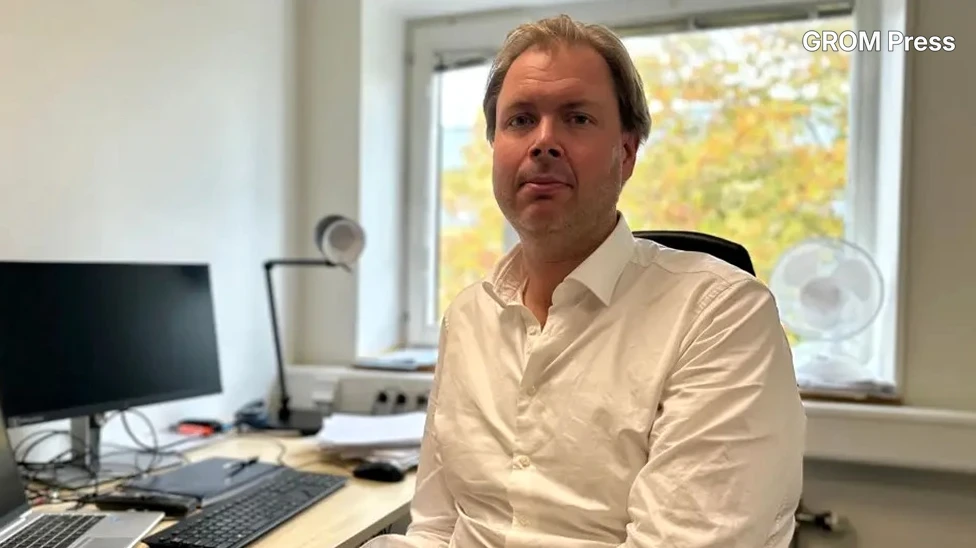
A government-funded clinic in Sweden has opened to reassess people who already have ADHD or autism diagnoses, and its doctors say it is the first facility in the world dedicated solely to this purpose. The clinic, called Mottagning Neuropsykiatri, is located in Sweden and is open one day a month.
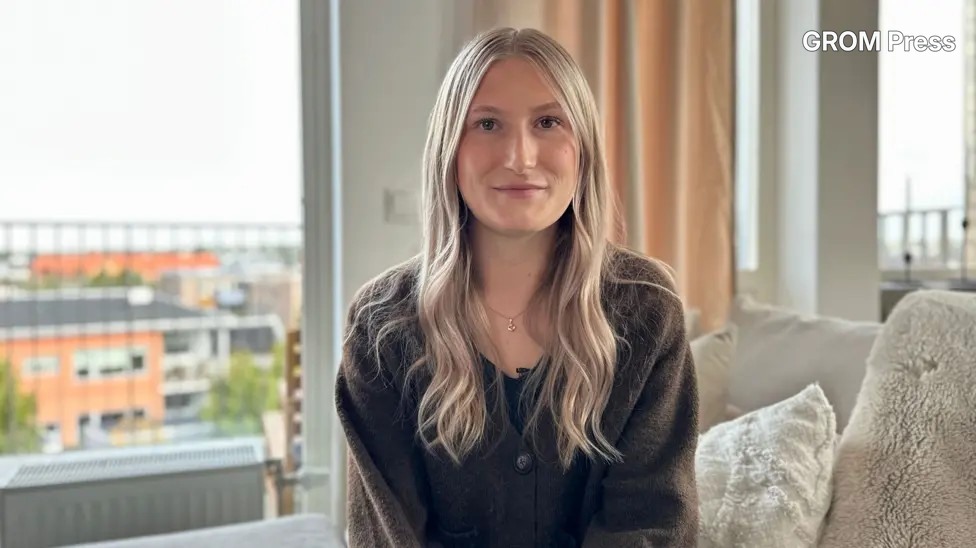
The main event is the opening of this reassessment service and the first patient appointment. Freya, whose real name is not used, attended the clinic in September after the BBC was given permission to join her. A few hours after she entered, doctors found that she does not currently meet the criteria for an ADHD diagnosis. Freya described the result as confirmation that she was right to question her diagnosis and said she now has the same opportunity as everyone else.
Patients seek reassessment because a diagnosis can be a barrier to certain careers. In Sweden, people with ADHD or autism have historically been barred from jobs including the military, police, train driving and piloting. Since 2022, people with ADHD can join the Swedish military if they are medication-free. Since 2021, people with ADHD or autism can apply to join the police, but must submit a medical certificate, which can cost around 15,000 SEK, or about 1,100 pounds, privately. Freya wants to keep every option open for her dream of joining the police.
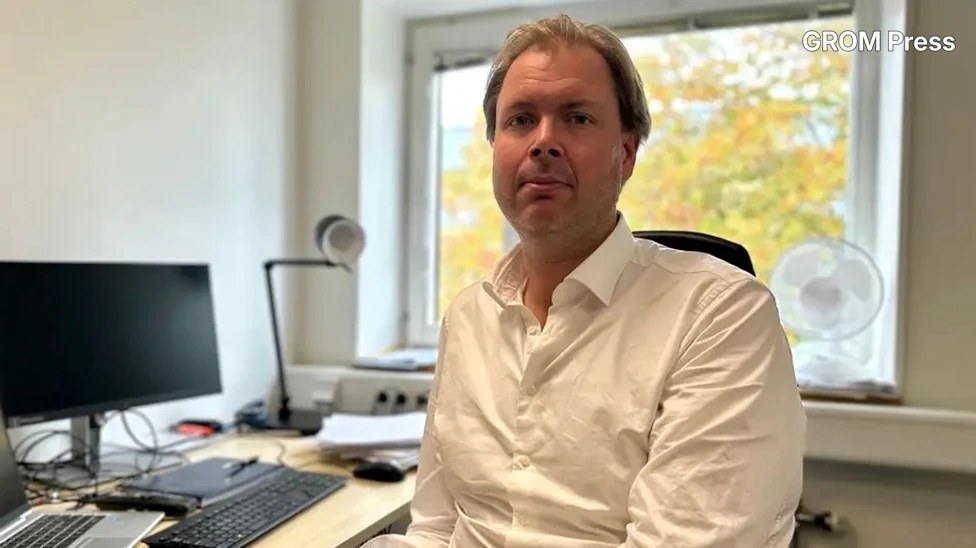
The clinic’s approach differs from traditional assessments by focusing more on current symptoms than on personal history. Sebastian Lundström, the clinic’s lead psychologist and an associate professor of child and adolescent psychiatric sciences at the University of Gothenburg, said the service is not de-diagnosing but a renewed assessment of functioning today. Doctors do not judge whether the original assessment was correct. Instead of removing the original diagnosis from medical records, they add a note about the new assessment.
Hundreds of people have approached the clinic. Johanna, 24, was diagnosed with ADHD at 14 and was reassessed at 21 during an early pilot. She was found not to meet the criteria and now works for her father’s company. Vilda, 22, sought reassessment of an autism diagnosis given after she experienced trauma and said she did not recognise herself in the description of autism.
Lundström conducted a small peer-reviewed study of 72 individuals who all wanted to lose their diagnosis. Roughly 80 percent did not meet the criteria for ADHD or autism. He stressed that this patient population is not necessarily representative of all people with autism and ADHD. During the first year of the pilot, about 400 to 500 people spoke to him about reassessment.
The project has backing from senior figures in Swedish psychiatry, including Sophia Eberhard, a senior consultant specialising in child and adolescent psychiatry. She said psychiatry made the original diagnoses and believes it has a responsibility to help these young adults.
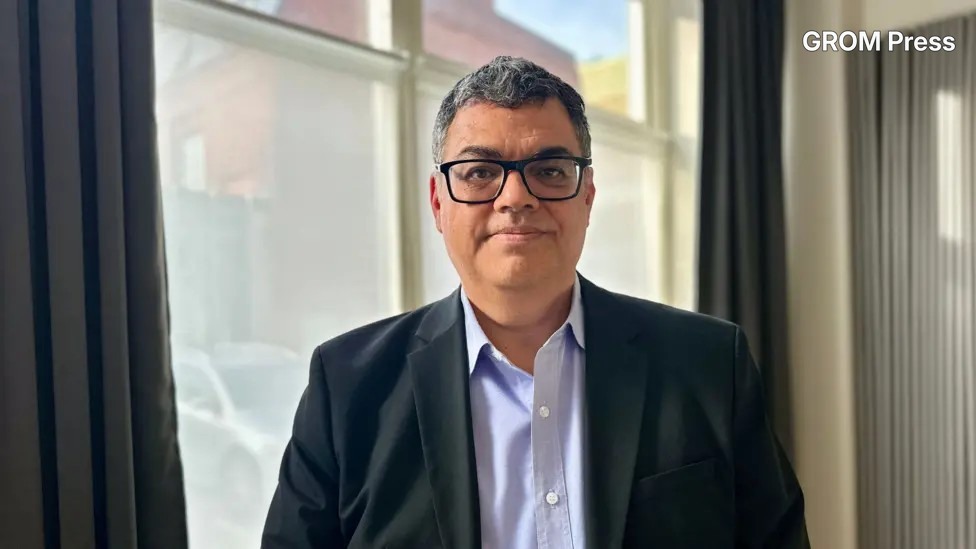
Critics warn that the clinic could reinforce the idea that an ADHD or autism diagnosis is undesirable and deepen stigma. Navid Ghannad, chair of Autism Skåne, a local Swedish non-profit for autistic people and their families, said these are lifelong conditions and that removing a diagnosis does not necessarily mean the condition has disappeared. He warned that symptoms could reappear later and that people without a diagnosis might not receive timely and correct support.
Jenny Hedin from Organiserade Autister Västernorrland, an advocacy organisation run by and for autistic adults, said the clinic presents neurodiversity and autistic people as a bad thing, like a problem that needs to be fixed. She warned that people who can mask or mimic neurotypical behaviour might feel pressured to lose their diagnosis to be better accepted by society, especially women and girls.
Eric Donell, chairman of Riksförbundet Attention, a national Swedish charity, said the focus should be on changing employment rules rather than asking people to lose their diagnoses. He called the restrictions unfair and said reassessments risk becoming a way of adapting the individual to society instead of adapting society to human differences.
People from the UK, Denmark, Norway and Germany have contacted the clinic but were turned away because it serves only locals. Georgina, 35, from the UK, wanted her autism diagnosis removed and has since been offered an NHS reassessment. She has decided not to undergo it for now while she finds out how often a diagnosis is reconsidered.
Medical consensus described in the article is that autism is a lifelong condition and ADHD is a neurodevelopmental condition that can persist into adulthood. Lundström believes that for a small minority, ADHD and autism may not be lifelong and that individuals may stop experiencing symptoms as they grow older. This approach is contested.



Comments
No replies yet. Start the discussion.
Sign in to reply