
Ankle-worn Fitbit can improve step tracking but sacrifices heart-rate accuracy
Wearing a Fitbit on the ankle can capture steps missed by wrist placement during activities with limited arm movement, such as pushing a stroller or using a walking desk, but Google has not established comparable accuracy for heart-rate and other metrics at the ankle, and sleep tracking may fail.
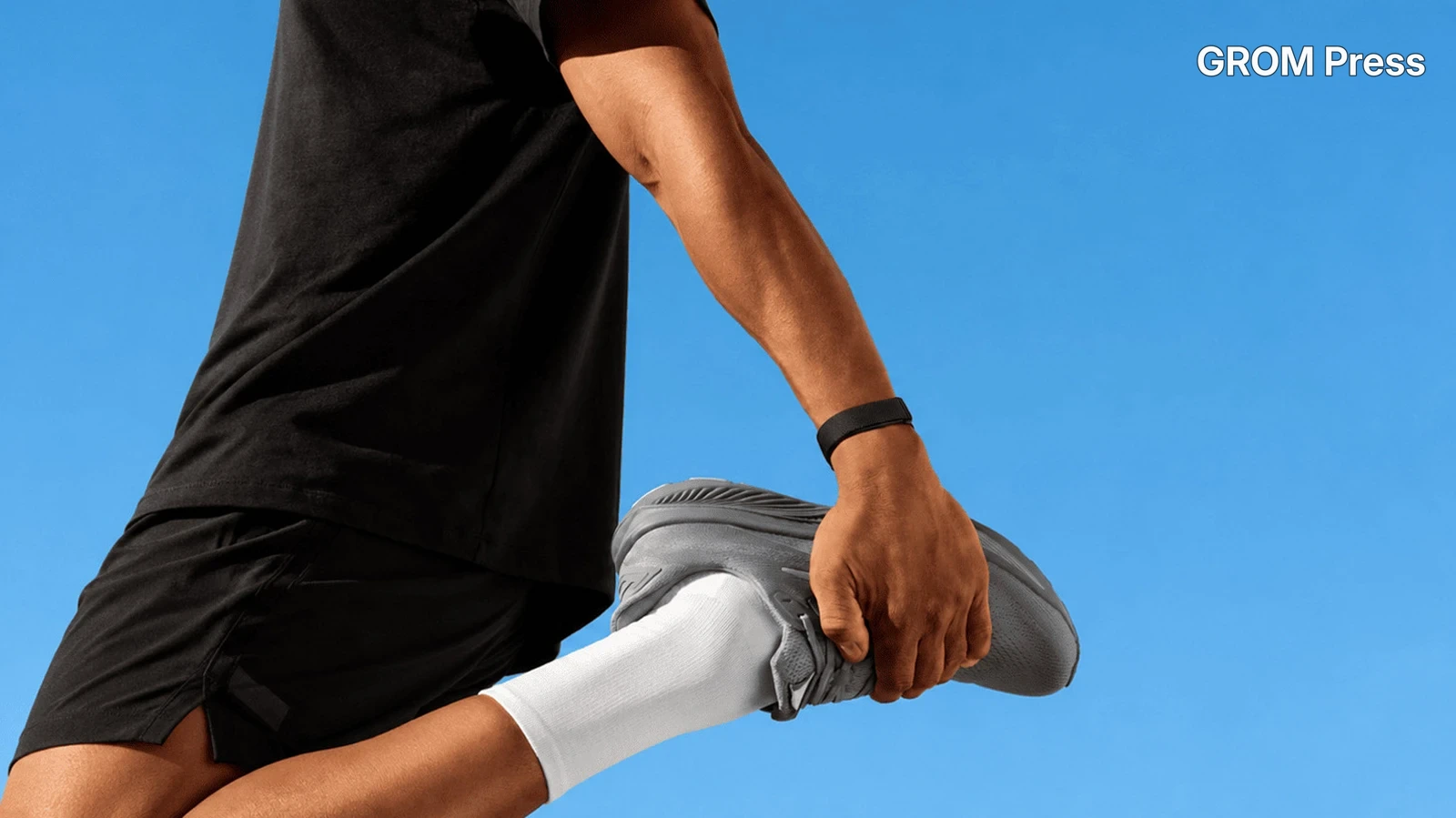
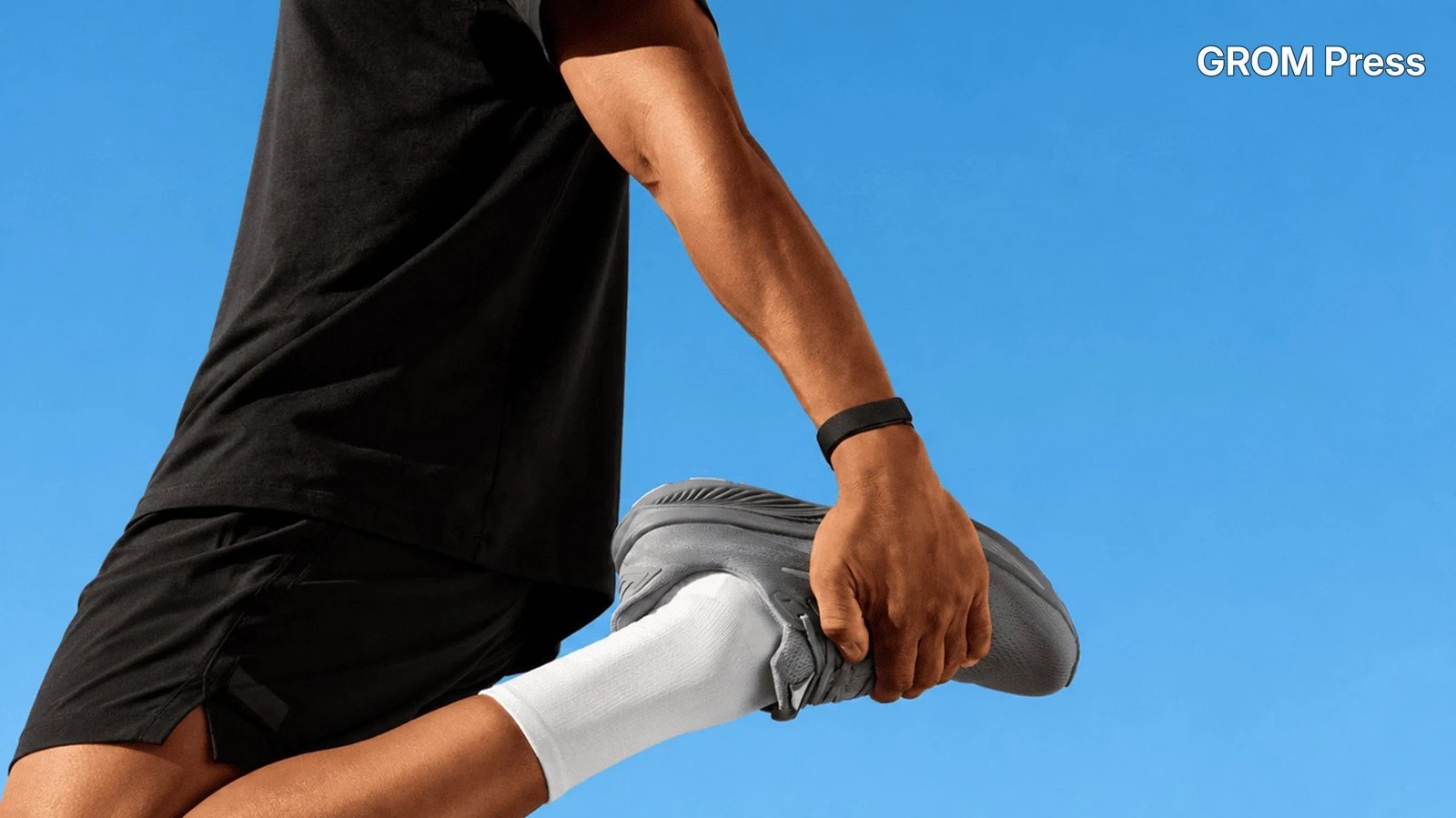
Fitbit users have reported that wrist-worn trackers miss steps during activities where arm movement is limited, such as pushing a stroller, holding treadmill rails, or typing at a walking desk. Fitbit devices use accelerometers to recognize walking patterns, and Google acknowledges that pushing a stroller or shopping cart can lead to missed steps. Wearing the tracker on the ankle places the motion sensor closer to the feet and measures leg movement directly, which can improve step counting in these situations. It also keeps the wrist free for users who dislike wearing watches or whose workplaces ban wrist-wear.
A 2025 study involving 11 healthy adults who walked with a single-point cane or a two-wheeled walker found that Fitbit Inspire 3 trackers worn on the hip and ankle had a combined average step-count error of 1.5 percent, while wrist readings were substantially less reliable. The study focused on assisted walking rather than daily activities.
In one test, a Fitbit Versa 4 worn on the ankle logged 1,510 steps during a 30-minute stationary bike session, compared with 180 steps when the same tracker was worn on the wrist. Pedaling an exercise bike is not equivalent to taking steps, and the tracker also failed to record sleep during a nighttime ankle test.
Google recommends wearing Fitbit devices snugly against the wrist because its optical sensors estimate heart rate by measuring blood-volume changes through the skin. The company has not established comparable accuracy for ankle placement, where fit and sensor contact differ. In a recent experiment, an ankle-worn Fitbit Air recorded a heart-rate peak of 182 beats per minute during one walk, while a wrist-worn Pixel Watch 4 measured a maximum of 129 beats per minute. Four additional walks did not repeat the spike, so the result is not conclusive proof that ankle readings are always incorrect.
Standard wristbands may be too short for ankle wear, and aftermarket ankle straps cost extra. A loose tracker can rub uncomfortably against socks or shoes, and checking notifications is difficult. Fitbit offers an official clothing clip for the Inspire 3, but this mode does not include heart-rate tracking, Active Zone Minutes, or automatic exercise tracking.




Comments
No replies yet. Start the discussion.
Sign in to reply