
Chinese researchers date human tooth from Shizitan site to Last Glacial Maximum
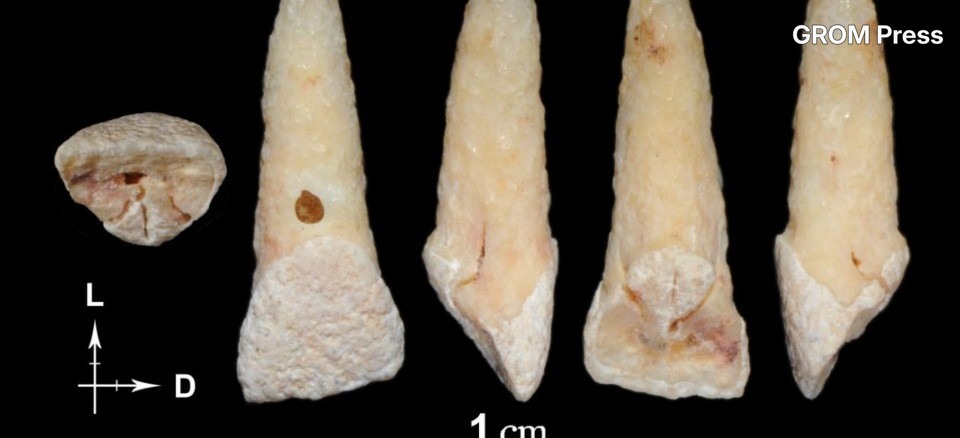
Chinese scientists have identified an upper incisor from the Shizitan Paleolithic site as belonging to an anatomically modern human who lived in East Asia about 21-20 thousand years ago, during the peak of the last ice age. The findings were published in the American Journal of Biological Anthropology.

Chinese researchers have described a human tooth excavated at the Paleolithic site of Shizitan in China. They concluded that it was an upper incisor of an anatomically modern human who lived in East Asia approximately 21-20 thousand years ago, during the peak of the last ice age. The study was published in the American Journal of Biological Anthropology.
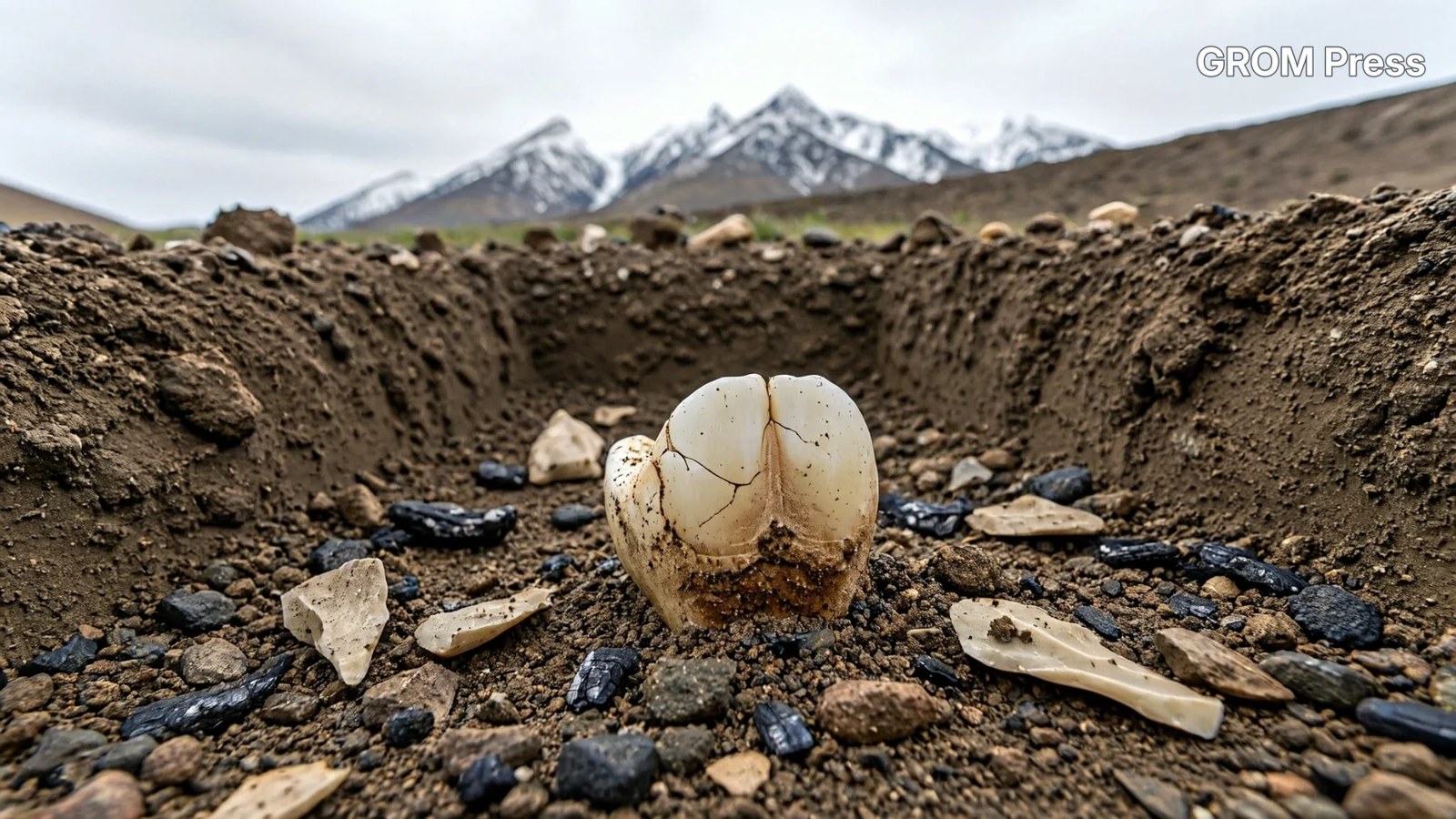
The tooth was found during archaeological excavations at Shizitan. The researchers attributed it to Homo sapiens based on its morphology. The estimated age places the individual at the Last Glacial Maximum, when ice sheets reached their greatest extent during the most recent glacial period.
The publication provides evidence of anatomically modern humans in East Asia around 21-20 thousand years ago. The researchers did not provide additional details about the excavation circumstances, the exact dating method, or the broader archaeological context in the material supplied. No independent confirmation of the find or its age was included.



Comments
No replies yet. Start the discussion.
Sign in to reply