
Scientists convert a $450 Creality Ender 3 into a bioprinter that prints 100-layer living bacteria structures
Researchers from the University of Rochester and Cornell University in the United States modified a hobbyist Creality Ender 3 3D printer into a bioprinter for about $450. The device can print structures from living bacteria up to 100 layers high, nearly 22 millimetres tall, which is about five times the previous limit for similar systems. The bacteria remained viable for up to 28 days in an agarose support medium with added nutrients. The team published STL files and G-code on GitHub so other laboratories and enthusiasts can reproduce the setup.
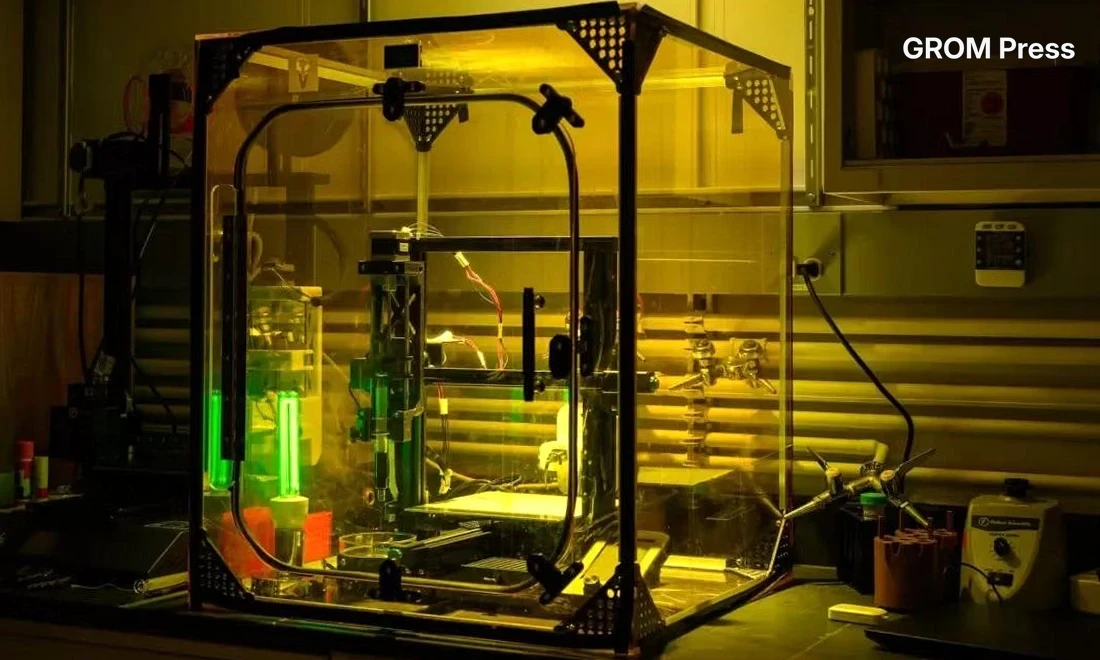
Researchers from the University of Rochester and Cornell University in the United States converted a hobbyist Creality Ender 3 3D printer into a bioprinter capable of creating volumetric structures from living bacteria. The modification cost about $450, while commercial bioprinters can cost more than $100,000, according to the researchers.
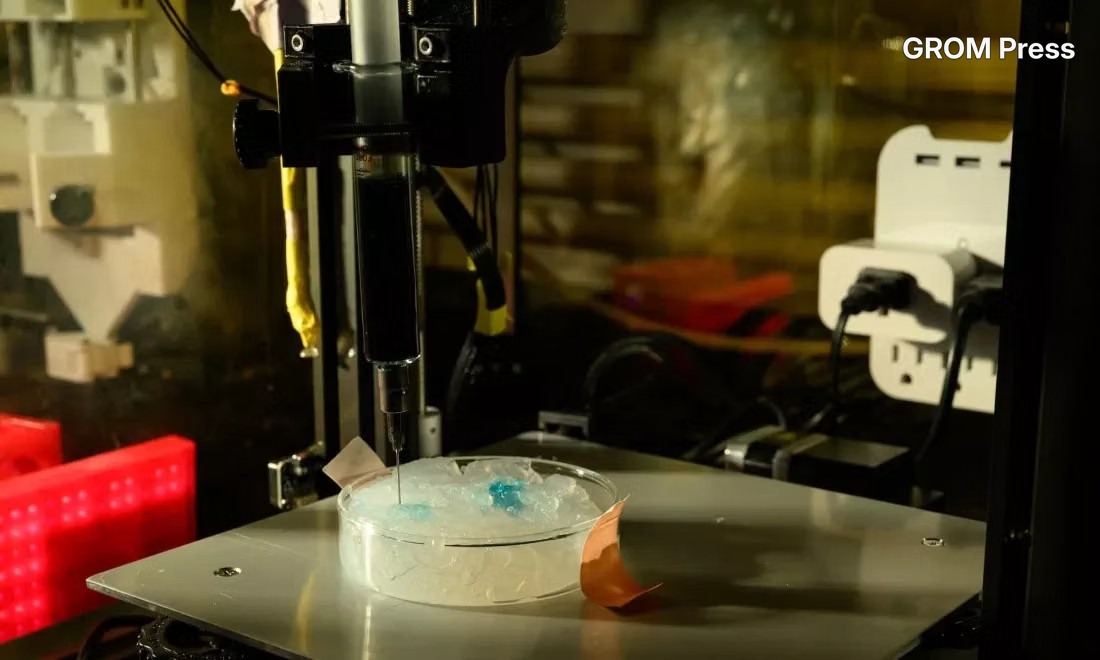
The team replaced the standard printing head with a pump that extrudes bio-ink through a syringe. The pump can also draw the material back between nozzle movements. This feed setting reduced random bacterial deposits by nearly 100 times, making the edges of printed elements significantly sharper, the researchers reported.
A major problem with previous homemade bioprinters was that the soft gel sagged before solidifying, so such setups usually could not build structures higher than 20 layers. To solve this, the scientists placed the printing head in a supporting suspension of tiny gelatin or agarose particles mixed with calcium chloride. Agarose is a polysaccharide obtained from seaweed. This environment holds each new layer in place while the ink, based on alginate, a natural polymer from brown algae, sets. As a result, the setup can create hollow cylinders and lattice structures. A preprint of the study shows a 100-layer structure nearly 22 millimetres high.
The geometry of such structures matters for the microorganisms themselves: hollow shapes provide a larger surface area through which bacteria receive nutrients and release metabolic products. The researchers developed two variants of the supporting medium. The gelatin suspension can be removed after printing by extracting the finished structure. The agarose variant remains around the structure and serves as an incubator.
Previously, printed bacteria began to die after about nine days. In the agarose medium with added nutrients, Escherichia coli remained viable for four weeks, or 28 days, according to the researchers.
The work continues more than a decade of research by the laboratory of the lead author, Anne S. Meyer, focused on creating living structures for studying antibacterial technologies and wastewater treatment. Longer bacterial viability will allow the creation of artificial biofilms, communities of microorganisms attached to surfaces. Depending on the bacteria used, such structures could be applied to cleaning contaminated water and degrading plastic, the researchers said.
The team published STL files and control G-code on GitHub, so laboratories and enthusiasts who already own an Ender 3 can reproduce the development.



Comments
No replies yet. Start the discussion.
Sign in to reply