
ESA proposes €10 billion independent human spaceflight system, decision expected 15 December
The European Space Agency has proposed creating Europe’s own crewed spacecraft and launch and landing infrastructure, with preliminary costs estimated at around €10 billion. Director General Josef Aschbacher cited geopolitical changes and uncertainty about the future of US human spaceflight as reasons, while stressing the programme would complement, not replace, cooperation with NASA. If representatives of 23 ESA member states support the initiative on 15 December, preparatory work will begin using €280 million freed from two suspended NASA projects. Full funding is to be discussed at the next ESA ministerial meeting in 2028.
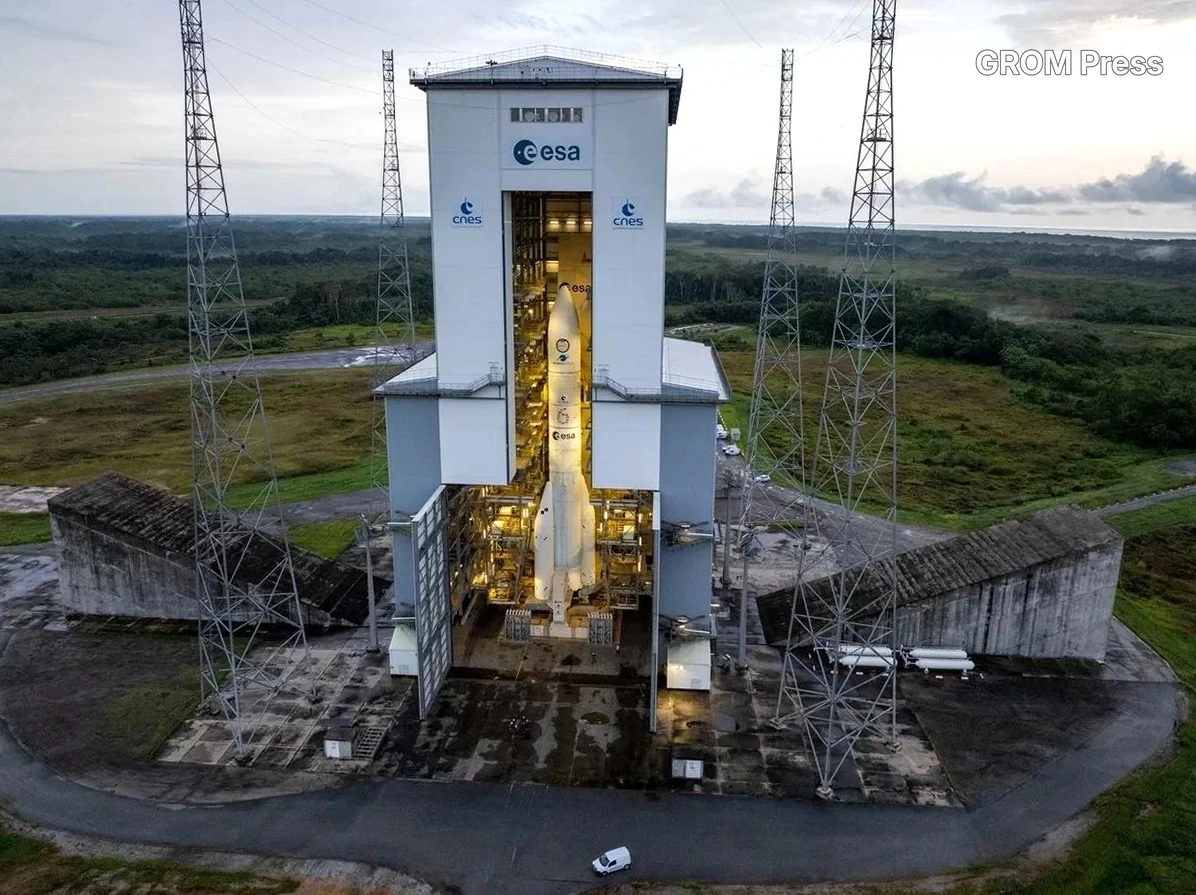
The European Space Agency has proposed that Europe develop its own human spaceflight system, including a crewed spacecraft, launch infrastructure and landing sites, in order to send astronauts into orbit and return them to Earth without relying on foreign operators. The preliminary cost of the project is estimated at approximately €10 billion. Landing sites are expected to be located in French Guiana, where the Kourou spaceport already operates.
ESA Director General Josef Aschbacher said the need for the project stems from changes in the geopolitical situation and uncertainty about the future of American human spaceflight. He stated that relations with NASA remain good, but European countries must consider the possibility of changes in US policy, including restrictions on the participation of foreign astronauts in US spaceflights. According to Aschbacher, the new programme is not intended to replace cooperation with NASA, but to supplement it.
ESA currently has 11 astronauts, four of whom are scheduled to travel to the International Space Station in 2027 with NASA’s assistance. Until 2022, the agency used both American and Russian infrastructure to deliver its crews to orbit. Europe last attempted to create its own human spaceflight system under the Hermes project, a spaceplane intended to compete with the US Space Shuttle. That programme was closed in 1992 during development because costs rose after the Challenger disaster.
Aschbacher also pointed to the economic aspect: when using American services, a significant portion of European budget funds goes to US companies instead of supporting European industry. Developing an independent human spaceflight system should create additional opportunities for European enterprises in high-tech engineering.
The head of ESA has already discussed the programme’s prospects with representatives of Japan and the United Arab Emirates.
If representatives of 23 ESA member states support the initiative on 15 December, the agency will begin preparatory work using €280 million freed after the suspension of two joint NASA projects, the Lunar Gateway lunar station and the Mars Sample Return programme. Full discussion of financing for the new programme is planned for the next ESA ministerial meeting in 2028. Thus, the December decision would mark the start of project preparation, not approval of all €10 billion in expenditures.
Comments
No replies yet. Start the discussion.
Sign in to reply