
European student-led protests spread across multiple countries amid cost-of-living crisis
Protests have spread across France, Spain, Italy, Portugal, Germany and the United Kingdom, driven by students and young people over education funding, housing costs, rent increases and conscription. The article attributes the unrest to neoliberal policies, corporate concentration, climate change, AI and military spending, and calls for a post-growth economic reallocation. These are the author's opinions, not independently verified facts.
Main event
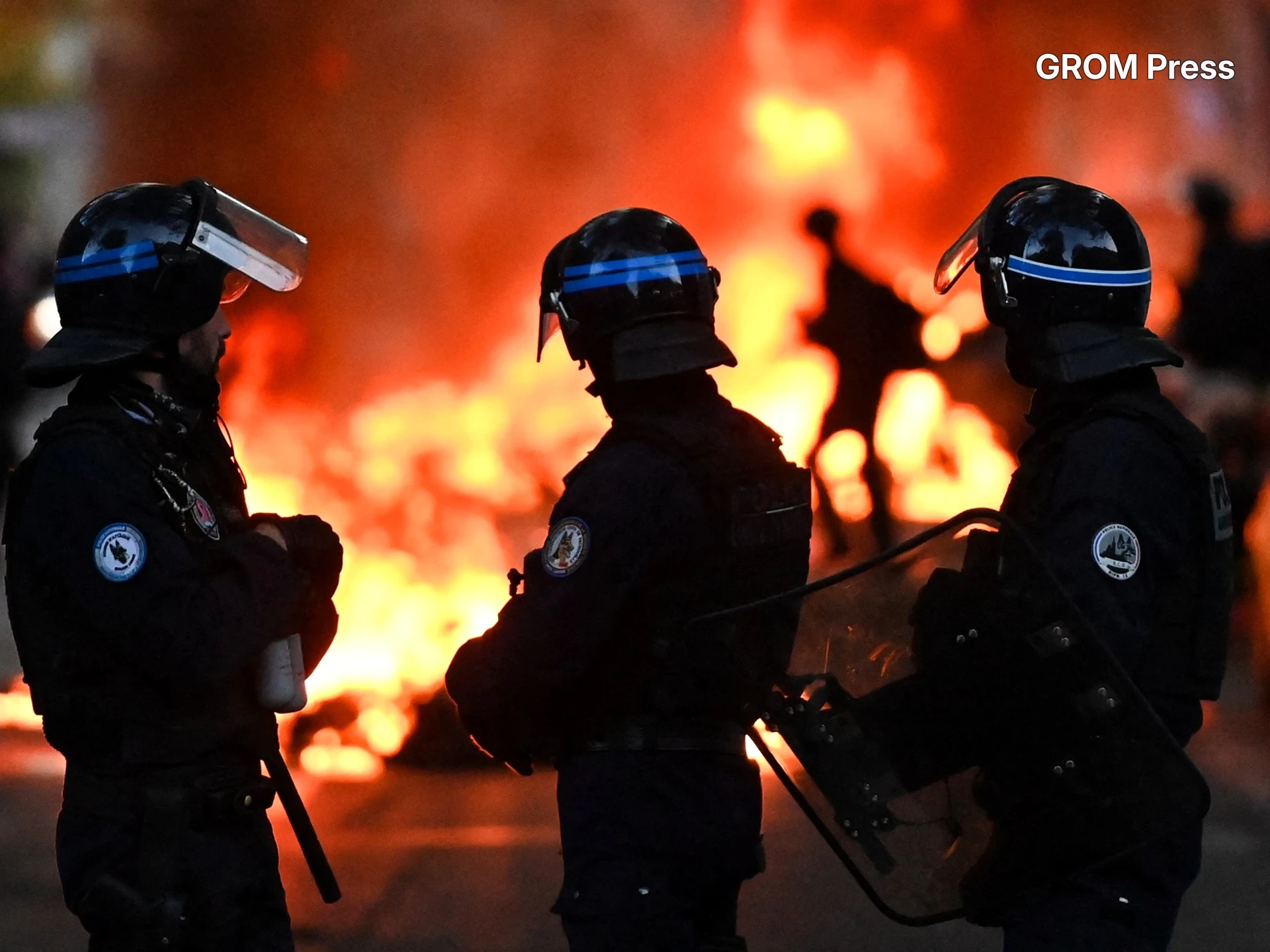
Protests have spread across several European countries in what the author describes as a "hot autumn". French students have led mass demonstrations for several weeks against underinvestment in education, teacher shortages and dilapidated classrooms. In Spain, mass protests followed the eviction of an 87-year-old woman from a home she had occupied for 70 years, after an investment fund that bought the property raised her rent by 230 percent. She died a fortnight later after being admitted to hospital.
Spread of demonstrations
The author reports that upwards of one million people took to the streets in 50 Italian cities last week. In Portugal, tent encampments have appeared in opposition to rapid increases in housing costs. In Germany, riot police using water cannon confronted protesters opposing what the author describes as the creeping extension of conscription. Most recently, thousands of students joined a day of action in the United Kingdom on November 20 under the slogan "Fight for our future, not their wars!".
Author's interpretation
The author identifies the rapidly rising cost of living as the common thread behind the protests, linking it to the global pandemic, the war in Ukraine, US tariffs and the US-Israel war on Iran, which the author says are breaking down global supply chains and sending costs spiralling. The author presents this as a symptom of a wider problem: deregulation and neoliberal policies that have allowed corporations to dominate the economy and politics, producing wealth concentration and precarity. The author also cites climate change and artificial intelligence as worsening factors.
Economic and political argument
The author argues that 40 years of free-market policies transferred economic decision-making from elected governments to corporate boardrooms, resulting in monopolies, privatised profits, socialised costs, inequality and environmental damage. Public services such as housing, education and healthcare are described as commodities. The author contends that politicians are dismantling the welfare state and asserts that Europe cannot afford the rich.
Proposed solution
The author calls for industrial strategy, economic planning and government intervention, but says these tools require taking power back from monopolies. A New Deal on the scale of Franklin D Roosevelt's 1930s policies is proposed, though the author argues the current task is bigger because of resource constraints and the end of the post-war social contract. The author criticises military spending, including Germany's departure from balanced-budget commitments for the war machine, and argues it will not resuscitate European industry or improve safety. The article concludes that Europe is entering a post-growth world requiring a fundamental reallocation of resources and the breakup of monopoly capitalism.
Attribution and status
The views expressed in the article are the author's own and do not necessarily reflect Al Jazeera's editorial stance. The article is an opinion piece. The protest events and figures described are reported by the author and are not independently confirmed in the supplied material. Casualty figures for civilians are not mentioned.

Comments
No replies yet. Start the discussion.
Sign in to reply