
Failed climate summit in Antalya motivates environmental students to continue their studies
Environmental law lecturer Esther de Jong of HAS Green Academy in Den Bosch redesigned her lesson after the failed UN climate summit in Antalya, where more than 190 countries failed to reach an agreement. Instead of being discouraged, her students said the outcome motivated them to continue their studies. Behavioural scientist Reint Jan Renes of Amsterdam University of Applied Sciences explained that failed summits usually lower motivation because people feel major actors are not acting, but the students in Den Bosch reported the opposite.
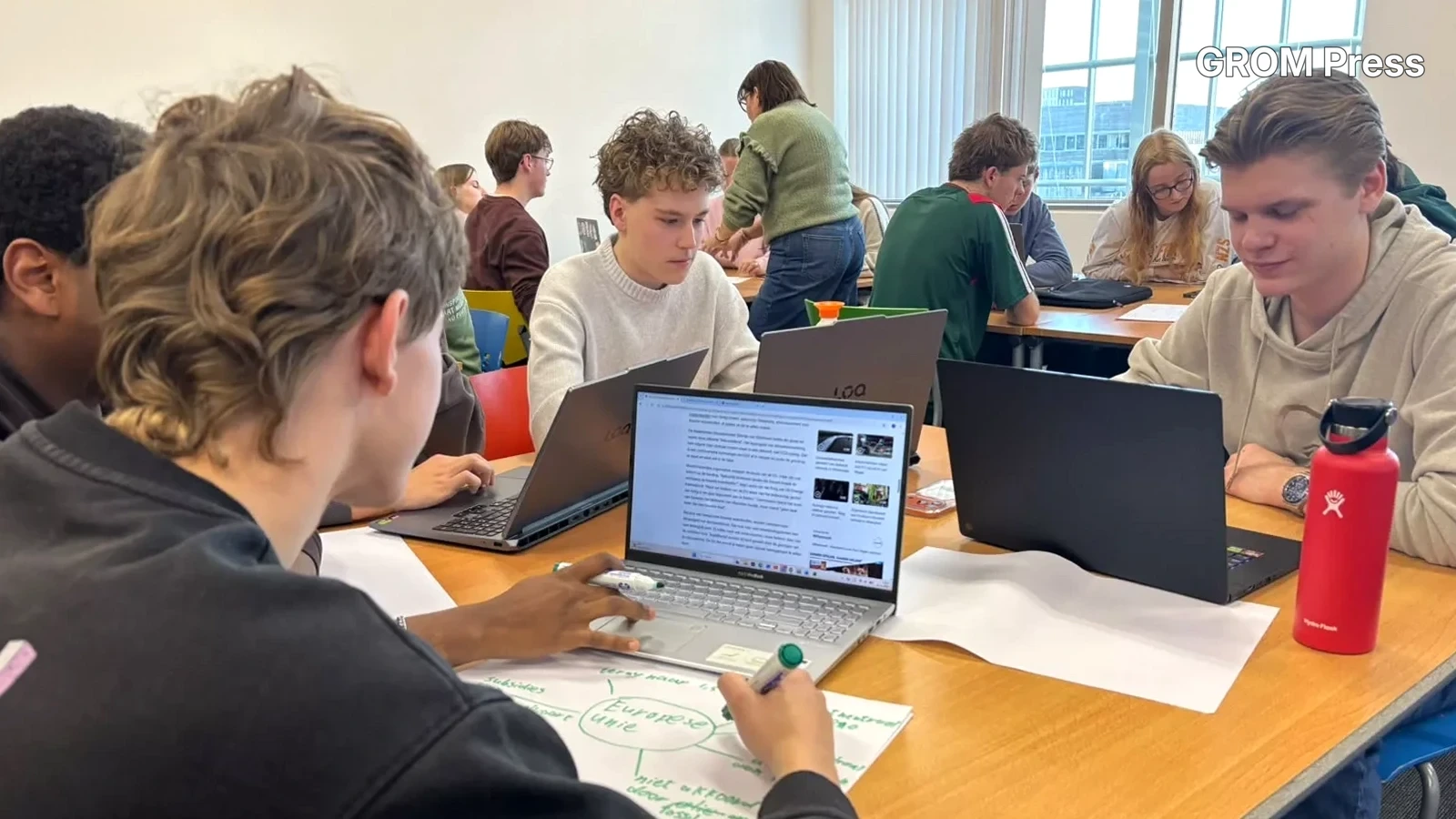
Environmental law lecturer Esther de Jong of HAS Green Academy in Den Bosch completely redesigned her lesson the evening after the failed climate summit in Antalya, she said the following day. The summit, attended by more than 190 countries, ended without an agreement. EU climate commissioner Wopke Hoekstra described the outcome as "evidently failed".
De Jong showed her students the passionate speech delivered earlier at the summit by Panama's environment minister, who spoke about the negative consequences of climate change for the Central American country and the role played by the oil industry. She said she felt compelled to show it to them.
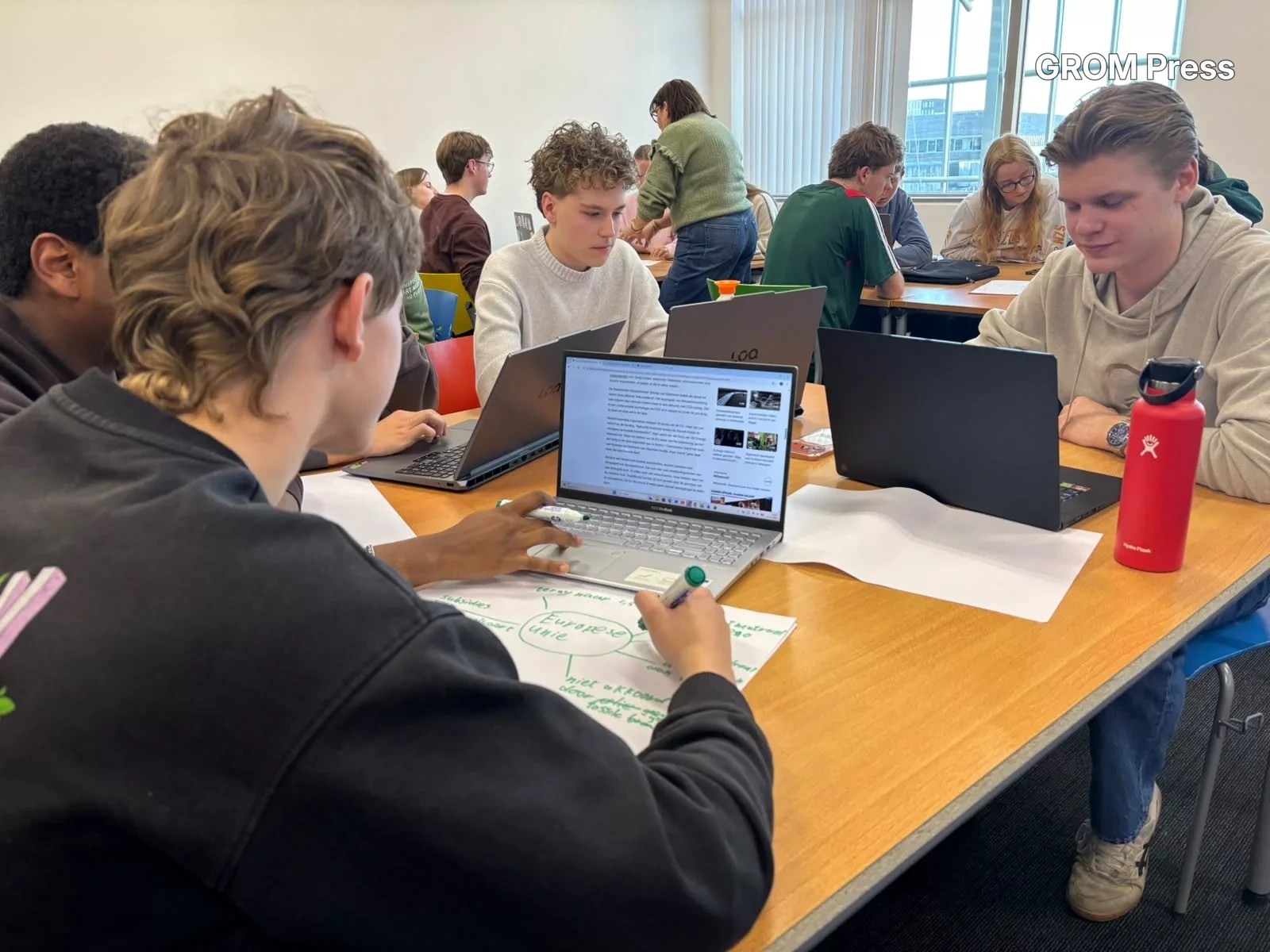
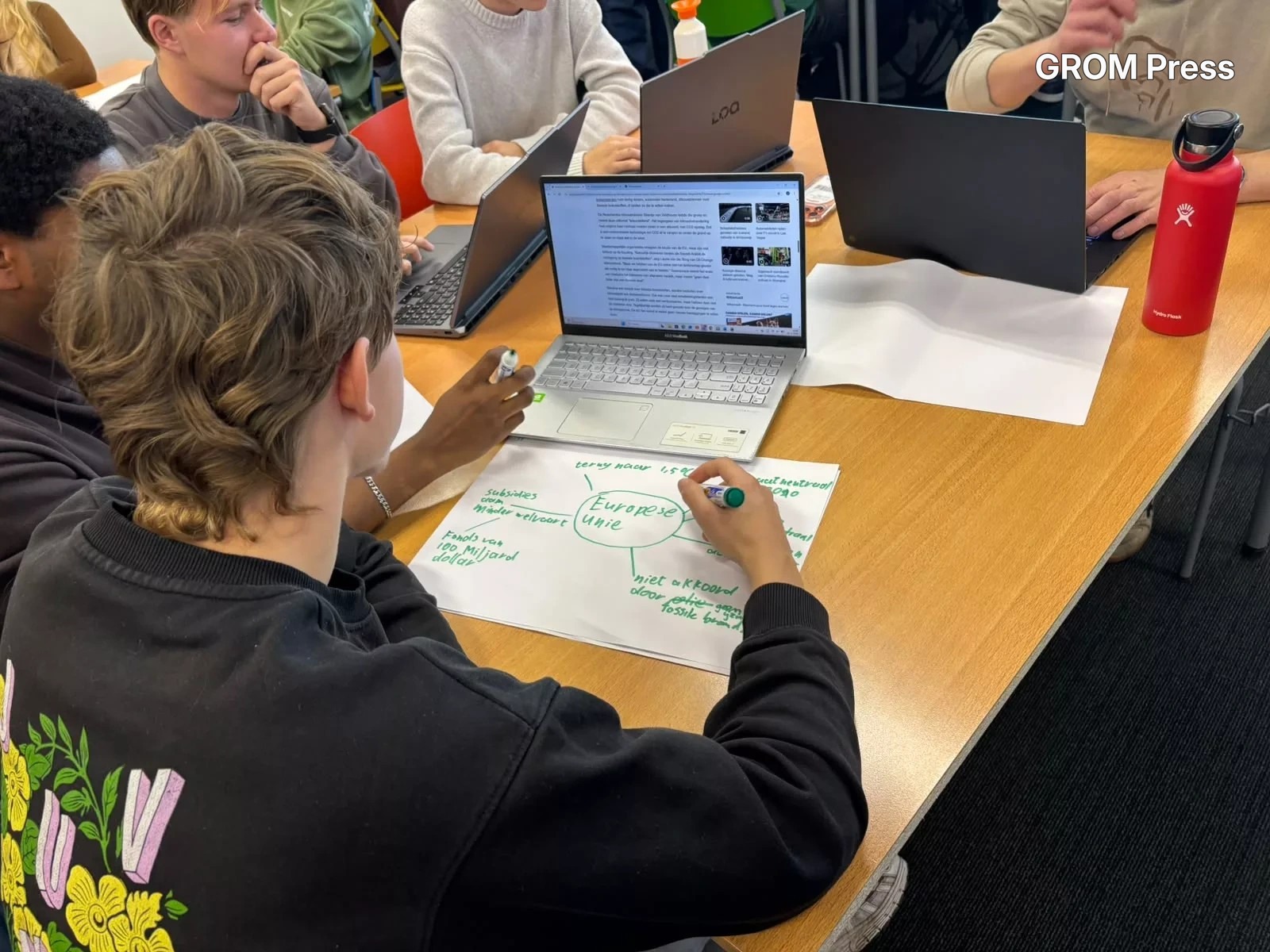
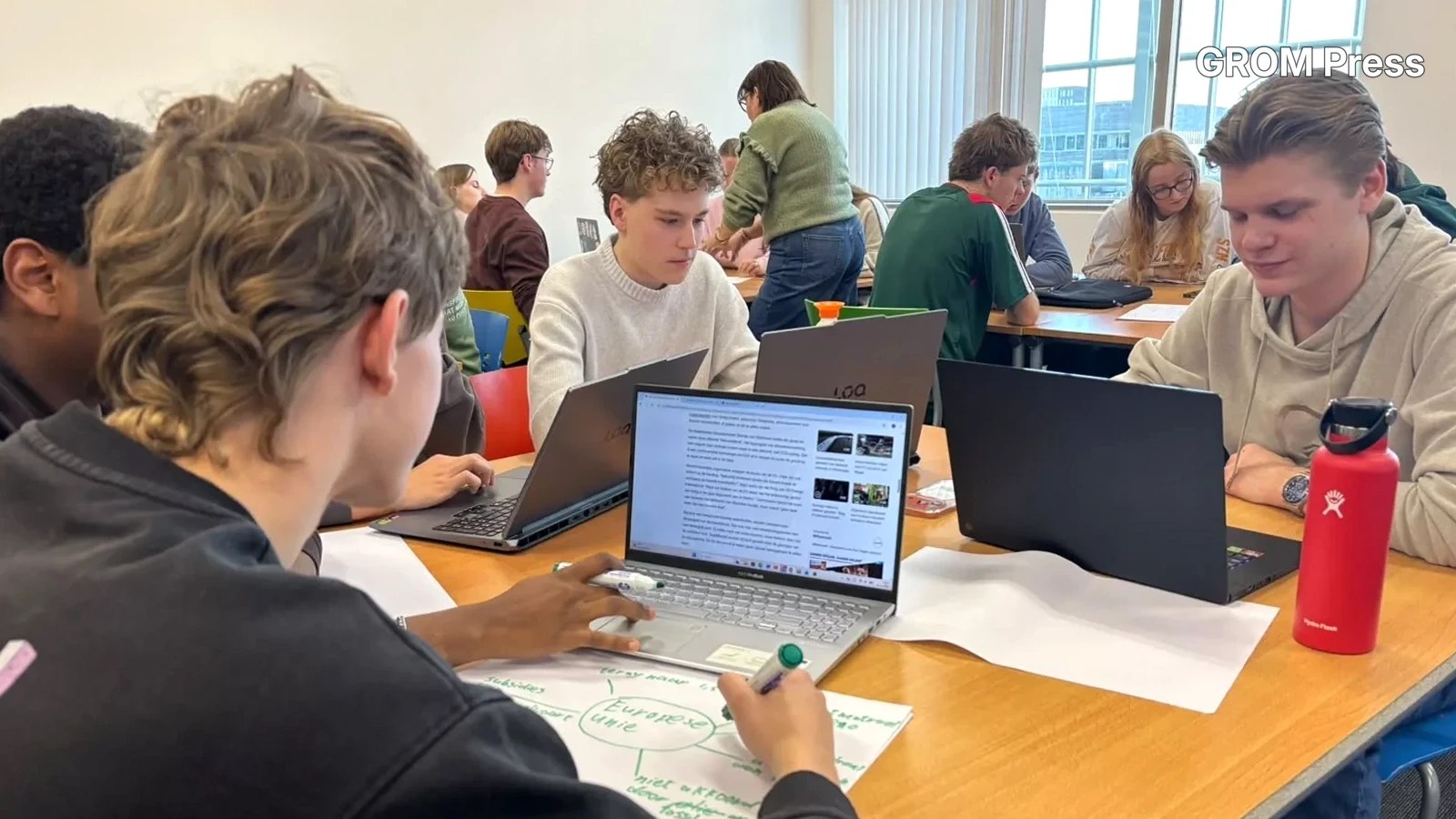
The next day, students in her classroom simulated the climate summit. De Jong assigned five students to represent the Pacific island states and asked them to write the arguments of those countries on a large sheet of paper. Other students represented Panama, China, the European Union and the oil-exporting countries grouped in OPEC.
Behavioural scientist Reint Jan Renes of Amsterdam University of Applied Sciences said research shows that failed summits are usually demotivating. He explained that people want to act, but need to feel that major actors such as industry and politics are also acting. When large parties decide not to act, the perceived value of individual action decreases, according to Renes. He added that failed summits do not necessarily make people stop their own actions, but they do not do more either, because climate change is a collective problem requiring other people to act as well for real effect.
Renes said he had noticed a change in attitudes among students and others in recent lectures. He cited political signals, such as a prime minister not attending the summit because of political turmoil in The Hague and a minister postponing their trip, as communication that other things are considered more important.
In contrast, the environmental science students in Den Bosch said the failed summit gave them motivation to continue. One student said they wanted to live in a habitable world and that this motivated them to continue their studies, because otherwise nothing would happen at all.
During the classroom simulation, the group representing China admitted they still needed to read up on the country's arguments. De Jong walked through the classroom and reminded one group that an agreement at the earlier Paris summit had included a commitment by rich countries to help poor countries financially with subsidies. The students wrote a new argument on their paper.
During the presentations, a student representing the Pacific islands said that if nothing happens, there will only be more extreme weather, and that small countries are not the cause of climate change but do face the problems. A student representing OPEC countries said they already give considerable money to poorer countries and that developments such as carbon storage in soil should also be considered.
At the end, De Jong asked whether they could reach an agreement a day later. Suggestions included that countries must listen well to each other and that money should be sent to the places hardest hit. Even in the classroom simulation, the students ultimately failed to reach an agreement because the arguments of the different countries were too far apart. De Jong said she looked at her students with satisfaction despite the outcome.



Comments
No replies yet. Start the discussion.
Sign in to reply